
Welcoming Megan Desjardins to Pittwater Chiro

We’re excited to introduce the newest member of our team at Pittwater Chiro, Megan Desjardins. With a strong foundation in movement science and a calm, Megan is passionate about helping people better understand their bodies. Originally from Canada, Megan was drawn to Australia — and the Northern Beaches in particular — for its natural beauty and active lifestyle. She is excited to support the local community to stay active, manage pain, and continue enjoying everything this area has to offer. A journey shaped by movement From a young age, Megan developed an appreciation for movement and looking after the body. Growing up, she remembers watching her dad do callisthenics at the park and wanting to copy everything he did. That early exposure stayed with her and gradually shaped the way she views health and movement today. As Megan explains, we often don’t think about everything our bodies do for us until something starts to hurt or stops working properly. This awareness drew her to chiropractic — a profession that combines movement, function, and hands-on care in a meaningful way. She values helping people shift their mindset from frustration toward appreciation of what their body is capable of. Education and clinical training Megan completed her undergraduate degree in Kinesiology in Canada, where she developed a strong foundation in human movement, biomechanics, and exercise science. She then went on to complete her Master of Chiropractic at Macquarie University, receiving extensive training in musculoskeletal assessment, manual therapy, rehabilitation, and evidence-based patient care. Now in her early years of clinical practice, Megan is looking forward to continuing her professional development while supporting patients with their musculoskeletal health. A special interest in chronic and complex pain Megan has a particular interest in working with people experiencing chronic pain, whether involving the spine or extremities. These cases are often complex and require a deeper understanding of the bigger picture — something that suits the way she approaches care. Having family members who have lived with chronic pain has given Megan insight into how discouraging and draining long-term pain can be. As she puts it, pain doesn’t just affect the body — it can impact confidence and outlook too. Being able to support someone who has been struggling for a long time and help them begin to feel improvement again is what Megan finds most rewarding. One of her most meaningful experiences involved assisting an older gentleman with ongoing knee pain. Through care focused on pain management, movement, and strength, his walking distance and overall quality of life improved, helping him maintain greater independence in daily life. Megan’s approach to care Megan takes a structured yet supportive approach to patient care. She begins by addressing the main issue that brings someone into the clinic, to help them feel better as early as possible. From there, she focuses on identifying and addressing the underlying cause, rather than simply managing symptoms. As things improve, care gradually shifts toward active rehabilitation and self-management. Megan’s goal is for patients to feel confident managing their condition independently, while also recognising the value of maintenance care when appropriate — much like servicing a car to keep it running well over time. What to expect in your first appointment Patients seeing Megan for the first time can expect a calm, thorough, and unhurried appointment. She takes the time to understand what’s been going on through a detailed history and physical examination, ensuring everything is clearly explained along the way. Open communication is a key part of Megan’s care. Patients are encouraged to ask questions at any stage, to leave their first appointment feeling informed, comfortable, and reassured about their care plan and next steps. Why Pittwater Chiro? Megan was drawn to Pittwater Chiro because of how closely the clinic’s philosophy aligns with her own approach to care. She enjoys working in a clinic that is well-equipped with a range of treatment options and is particularly excited to integrate shockwave therapy into patient care. She is also looking forward to being part of a vibrant, supportive team and learning from colleagues who are passionate about helping people move and feel better. Techniques and services Megan offers Megan enjoys delivering care that combines: All care is tailored to the individual, taking into account comfort, goals, and personal preferences. For those new to chiropractic, Megan encourages open communication and involvement in the process. Manual adjustments are just one tool available, and patients are always supported to make informed decisions about their health. Supporting the local community Being part of the Northern Beaches community inspires Megan to help people move well in their everyday lives. She hopes to support the local community through education, preventative care, and encouraging active lifestyles. She is an approachable and trusted healthcare provider that people feel comfortable turning to. We’re excited for you to meet Megan Desjardins and experience her calm, considered approach to chiropractic care. To celebrate Megan joining the Pittwater Chiro team, both new and existing patients can enjoy 50% off their first appointment with Megan. Book online: pittwaterchiro.com/contact Take the first step toward moving better and feeling more confident.
Why hypermobility needs a specialised approach to treatment

I’ve been seeing lots of patients with hypermobility in the clinic recently, so let’s talk about what it is and why your treatment approach might differ. Understanding Hypermobility You might have heard your parents describe you as “double-jointed” or noticed that you can bend your fingers back farther than your friends can. While this flexibility might seem like an advantage, for many people with hypermobility, it can actually lead to chronic pain, frequent injuries, and joint instability. Hypermobility exists on a spectrum. Some people have just one or two hypermobile joints, while others have generalised hypermobility affecting multiple joints throughout the body. Common signs include bending your thumb back to touch your forearm, hyperextending your elbows or knees, or placing your palms flat on the floor without bending your knees. Why hypermobile bodies need different care If you’re hypermobile, you might have noticed that traditional chiropractic adjustments or physiotherapy leave you feeling temporarily better, but the same issues keep returning. Hypermobile joints naturally have more movement, which means they rely more heavily on muscles to create stability rather than the passive support from ligaments and joint capsules. When we treat hypermobile patients with the same approach as non-hypermobile patients, we can actually create more instability rather than addressing the root cause. How we adapt your treatment What can you expect Treatment for hypermobility is typically a longer journey than for non-hypermobile patients. Building strength and motor control takes time—usually weeks to months rather than days. However, the results are worth it. When done properly, you’re not just getting temporary relief; you’re actually changing how your body functions. You might notice that instead of feeling immediately “loose” after treatment, you may feel more stable and controlled. This is a good sign! We’re helping your body find its optimal balance between mobility and stability. Working together to gain stability If you suspect you might be hypermobile, or if you’ve been frustrated with treatments that provide only short-term relief, let’s have a conversation. During your assessment, we’ll evaluate your joint mobility, movement patterns, and discuss your symptoms and injury history. From there, we can create a personalised treatment plan that addresses your unique needs. Hypermobility isn’t something to “fix”—it’s simply a variation of normal anatomy that requires a different approach to care. With the right combination of manual therapy, dry needling, and targeted exercise rehabilitation, we can help you move with confidence and reduce your pain. Ready to understand why your joints behave the way they do? Book a FREE discovery call with our Mona Vale or Balgowlah team.
Resistance training matters for women
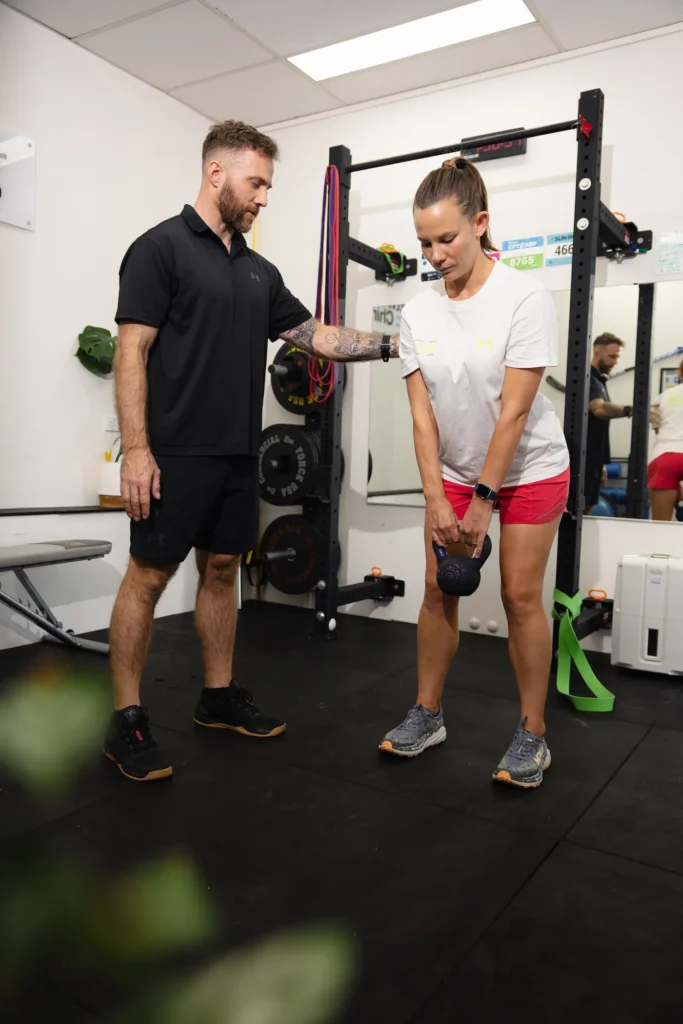
As a chiro, I see firsthand how bone health impacts every aspect of my patients’ lives. With a focus on women’s health, let’s talk about why resistance training isn’t just about building muscle – but about building a foundation for overall health and wellbeing. Bone health and resistance training Here’s something that might surprise you! Your bones aren’t static structures. They’re constantly breaking down and rebuilding themselves in a process called bone remodelling. Think of it as your body’s renovation project that never stops. Every day, old bone tissue is removed and fresh, new bone takes its place. But here’s the catch—this process slows down as we age, particularly for women. After menopause, the decline in estrogen accelerates bone loss, with women losing up to 20% of their bone density in the five to seven years following menopause. This is why osteoporosis affects women four times more often than men. Strength training and menopause When you lift weights, perform resistance exercises, or even do bodyweight movements like push-ups, you’re not just working your muscles. You’re sending a powerful signal to your bones: “We need to be stronger.” This process is called Wolff’s Law—bones adapt to the mechanical stress placed on them. When you create controlled stress through resistance training, your bones respond by becoming denser and stronger. Research shows that women who engage in regular resistance training can increase their bone mineral density by 1-3% annually, while sedentary women typically lose 1-2% per year! Benefits beyond bone density Recent studies have been particularly encouraging about resistance training’s impact on bone health: Postmenopausal women: A 2023 systematic review found that resistance training programs lasting 12-24 months significantly improved bone density at the spine and hip in postmenopausal women. The key was consistency—exercising 2-3 times per week with progressive overload. Younger women: Research shows that building peak bone mass in your 20s and 30s through resistance training creates a “bone bank” that protects you later in life. Women who strength train during these crucial years enter menopause with stronger bones and experience less dramatic bone loss over time. Fracture prevention: Perhaps most importantly, studies demonstrate that women who regularly perform resistance exercises have a 40% lower risk of hip fractures and a 20% lower risk of spine fractures compared to those who don’t. Beyond bone density: the complete picture Resistance training doesn’t just make your bones denser—it creates a comprehensive defence system: Improved balance and coordination: Stronger muscles and better proprioception mean fewer falls. Since 95% of hip fractures result from falls, this protection is invaluable. Better posture: Strong back and core muscles support proper spinal alignment, reducing stress on vertebrae and decreasing the risk of compression fractures. Functional strength: Being able to carry groceries, lift grandchildren, or get up from a chair without strain isn’t just about quality of life—it’s about maintaining independence as you age. Safe exercises for women at every stage You don’t need to become a powerlifter to protect your bones. Here’s what we recommend to our patients: Start simple: Begin with bodyweight exercises like squats, push-ups (wall or modified), and planks. These movements load multiple bones simultaneously and require no equipment. Focus on key areas: Prioritise exercises that target the spine, hips, and wrists—the most common fracture sites. Examples include: Progressive overload: Gradually increase the challenge by adding weight, increasing repetitions, or progressing to more difficult variations. Your bones need to feel challenged to adapt. Consistency over intensity: Two to three sessions per week are more beneficial than sporadic intense workouts. Your bones respond to regular, repeated stress. For the gals Perimenopause and menopause: This is when resistance training becomes even more critical. If you haven’t started yet, there’s no better time than now. Even women in their 70s and 80s can improve bone density through appropriate resistance training. Pregnancy and postpartum: Modified resistance training during pregnancy can help maintain bone health, and resuming training postpartum is crucial for rebuilding bone density that may have been affected by breastfeeding. Hormone health: Regular resistance training can help support healthy hormone levels, including growth hormone and IGF-1, which play important roles in bone formation. Work with your healthcare team As chiropractors, we often see patients who are dealing with the consequences of poor bone health—compression fractures, postural changes, and chronic pain. We wish more people understood that many of these issues are preventable. If you’re new to resistance training, especially if you’re over 50 or have existing health conditions, we recommend: Whether you’re 25 or 75, your bones can still respond positively to resistance training. The earlier you start, the greater your bone bank will be. But even if you’re starting later in life, studies show significant improvements are still possible. Ready to build stronger bones and prevent osteoporosis? Book a consultation with our chiropractors at Pittwater Chiro today.
Your practitioner isn’t “fixing” you

Here’s what’s really going on When you’re in pain, it’s natural to want someone to “fix” it. A quick adjustment, a magicneedle, a release. But the truth is — pain is more complex than a tight muscle or somethingbeing “out.” Long-term recovery is about more than just hands-on treatment. At Pittwater Chiro, we often hear praise for “fixing” your pain, and while we’d love to take thecredit, it’s not us who fixed it. We were merely the people who pointed you the way.Whether you’re dealing with back pain, a flare-up in your shoulder, or a niggly hip, youdon’t need to be fixed. You need support, guidance, and the right tools to take controlof your recovery. Pain doesn’t always mean damage (especially when it’s chronic) Many people assume that pain is equal to something torn, out of place, or broken. But this isn’talways the case. The idea of something being ‘out of place’ is often wrong, because ifsomething is truly out of place, then it has been dislocated or subluxed, which would requirea visit to the hospital, not the chiro/physio/osteo. We know that it can feel like something is out of place, though, and that pain is very real. So why does it feel like that? Sometimes, it can be due to altered nerve input/output, or it can be due to increased inflammation in the joint or area of the injury, and sometimes it can be strong muscle guarding to stop you from using that joint. Your body is smart and protective — sometimes too protective. Stress, poor sleep, past injuries, or even beliefsabout your body can amplify pain, even when no structural damage is present. Chronic pain is often more about your nervous system than your tissue. That’s why passive treatments alone don’t always create long-term change. What manual therapy can do This is not to say that manual therapy has no place. Manual therapy like dry needling, cupping, chiropractic adjustments and mobilisation has real value. These modalities can: All of these benefits are pretty important, because without them doing their thing it’s going tobe pretty hard to try to do your homework – like exercise, load management, and some otherstrategies your practitioner may recommend. Manual therapy is also most powerful whencombined with education, rehab, and consistent movement. That’s where lasting changehappens — and it’s what we focus on in the clinic. The pain gate theory: why movement and manual therapy work The pain gate theory explains how the brain filters pain signals. When you experiencemovement, pressure, or non-threatening input (like massage or joint mobilisations), it canclose the gate to pain signals travelling up the spinal cord. This reduces the intensity of pain and helps rewire the brain’s pain pathways — especiallyimportant for avoiding chronic pain. In simple terms: movement and manual therapy changehow your nervous system perceives danger. Less danger equals less pain. What else can my practitioner help with? What’s the point in seeing someone ifThey’re not “fixing” me? We’re not here to fix you. We’re here to guide you. We help you understand your pain orinjury by effectively diagnosing what is going on and giving you clear expectations ofrecovery time frames. We can also guide you on what not to do and what to do at home tohelp shorten the recovery timeframe. And, as mentioned above, we can dull your pain enough to be able to comfortably do whatyou need to do. We could use hands-on treatment to reduce symptoms and improvemobility. We can build strength and capacity through tailored rehab, and we empower you tofeel confident in your body again. You’re not broken – you just need the right tools You’re more resilient than you think. With the right approach, education, and consistenteffort, most injuries and pain states can improve — without relying on someone else to do allthe work. If you’re ready to feel strong, mobile, and back in control, we’d love to support you.
Supporting Women’s Health Through Chiropractic

Women’s bodies undergo incredible changes throughout life — from adolescence to pregnancy, postpartum recovery, and menopause. These shifts come with physical demands that can affect your mobility, comfort, and overall well-being. At Pittwater Chiro, we understand how hormonal cycles, pregnancy, birth, and the demands of motherhood can impact your body. Whether you’re dealing with monthly back pain, hip tightness during pregnancy, or struggling to get out of bed after a C-section, we’ve helped women just like you feel stronger, move better, and recover faster. Hormonal influences on your body Each month, hormonal changes affect how your joints and muscles feel. Many women experience back pain, headaches, or pelvic discomfort around their cycle. Through gentle adjustments and soft tissue therapy, we help ease this monthly tension and support your body’s natural rhythm. One of our patients shared: Pregnancy care that helps Pregnancy is an exciting time, but let’s be real, it can be tough on your body. Back and pelvic pain, round ligament tension, and postural changes from your growing belly are incredibly common. The hormones that prepare your body for labour also create instability in other joints, often leading to pain in the hips, back, or shoulders. We use pregnancy-safe techniques to reduce discomfort, improve pelvic alignment, and help you stay active and confident throughout your pregnancy. As one mum told us: “Seeing someone experienced in pregnancy chiropractic gave me peace of mind. It really eased my pain and helped me stay active through the final trimester.” Postpartum recovery — with real results After birth, whether it’s vaginal or via C-section, your body starts to rebuild. But lifting, feeding, and sleepless nights can bring a whole new wave of strain. We’re here to support your return to comfort, whether you’re recovering from birth or dealing with postural strain from breastfeeding and baby-carrying. One postpartum mum shared: “After two C-sections I was having the worst time with my lower back. My goal was just to get in and out of bed pain-free. Within 6 weeks, we achieved that!” Another added: “After my third baby, my swelling was next level. Lisa gave me the most incredible lymphatic drainage massage — I finally got my ankles back!” Common conditions we support: When to reach out: Consider booking in if you’re experiencing: Why women trust Pittwater Chiro Whether it’s your first baby, your third C-section, or you’re navigating perimenopause, we take time to understand what’s happening in your body and tailor treatment to your needs. As one patient put it:
Vertigo, Dizziness, and Migraines – How We Can Help
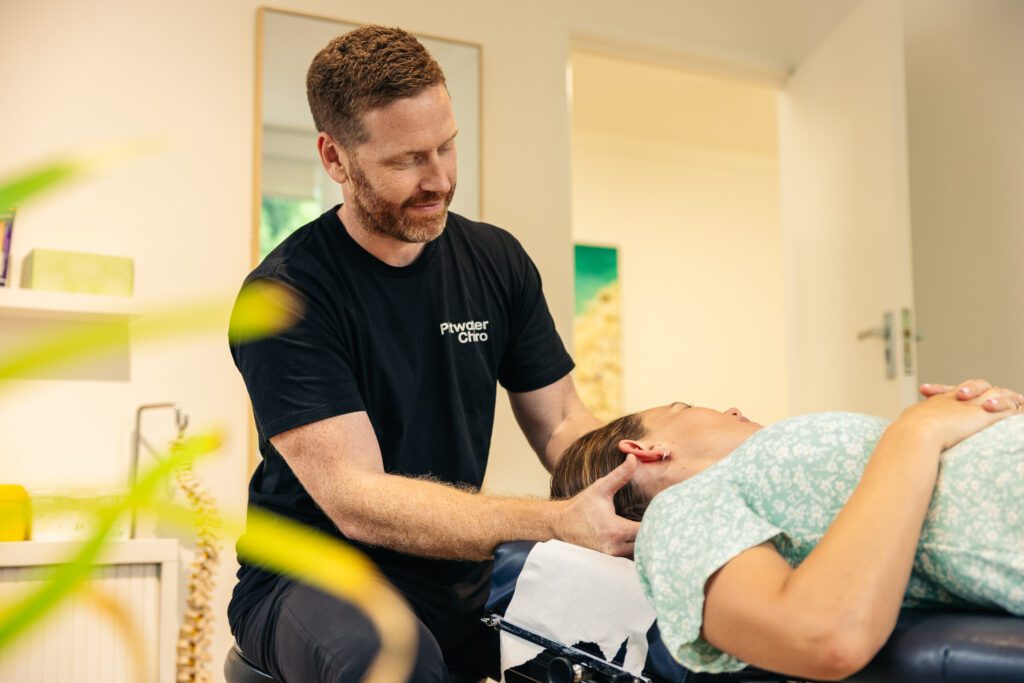
What is the difference between Vertigo, Dizziness, and Migraines? Vertigo and dizziness are common yet distressing symptoms that affect daily life. Vertigo is the sensation that you or your surroundings are spinning, often caused by issues in the inner ear or central nervous system. Dizziness, on the other hand, refers to a feeling of unsteadiness, lightheadedness, or loss of balance. Migraines, particularly vestibular migraines, can also contribute to dizziness and vertigo-like symptoms, often with an accompanied headache, making daily activities challenging. Common Causes of Vertigo and Dizziness Several underlying conditions contribute to vertigo and dizziness, including: Migraines and Their Impact on Dizziness Migraines, especially vestibular migraines, are a significant contributor to dizziness and balance disturbances. Migraine-related dizziness can present with or without headache pain and often includes symptoms such as light sensitivity, nausea, and visual disturbances. Medication-Overuse Headaches (MOH) and Migraines Overuse of common pain relief medications like paracetamol and ibuprofen can lead to medication-overuse headaches (MOH), also known as rebound headaches. This occurs when these medications are taken too frequently (more than 10-15 days per month), leading to increased headache frequency and severity. The Role of Chiropractic Care in Managing Vertigo and Dizziness Chiropractic treatment focuses on optimizing nervous system function, addressing musculoskeletal issues, and improving overall mobility. Chiropractic manipulations can be effective in reducing intensity of dizzy episodes or vertigo depending on the cause of these symptoms. There are also various other treatment modalities a chiropractor can perform which can be effective in reducing dizziness and vertigo symptoms: 1. Chiropractic Adjustments, Manipulations, and/or Mobilisations 2. Vestibular Rehabilitation & Exercises 3. Dry Needling & Soft Tissue Therapy 4. Lifestyle and Nutritional Guidance How Chiropractic Care Complements Other Treatments While medications such as antihistamines and vestibular suppressants are commonly prescribed, they primarily offer short-term symptom relief. Furthermore, research suggests overuse of certain medications can worsen migraine symptoms. Research suggests Chiropractic care, in combination with vestibular rehabilitation and exercise therapy, provides a non-invasive, long-term solution for many individuals experiencing vertigo, dizziness, and migraines. Research highlights that multimodal treatment approaches—including manual therapy, rehabilitation exercises, and psychological support—show greater improvement in dizziness-related burden, balance, and overall quality of life. Chiropractic care can play a crucial role in enhancing recovery outcomes for individuals struggling with vertigo and dizziness. Take Control of Your Dizziness and Vertigo Today If someone you know is experiencing vertigo, dizziness, or migraines, chiropractic care, dry needling, and targeted exercises may provide relief. At Pittwater Chiro, we take a holistic approach, offering evidence-based treatments to help you be free from dizzy spells. Book a consultation today and take the first step toward balance and wellness!
How neck pain can be improved with chiropractic treatment

Chiropractic care is a proven, drug-free method for relieving neck pain and improving function. By using spinal manipulation, manual therapy, and instrumental techniques, chiropractors help reduce pain and restore mobility. Learn more about how these treatments can offer effective relief from both acute and chronic neck pain.
Welcome to Pittwater Chiro

Founded by husband and wife Todd and Cath, Pittwater Chiro is not your standard chiropractic clinic. Located on the Northern Beaches of Sydney, it is a professional and friendly space. Bringing clients the best tailored care while nurturing long-lasting relationships is their focus. Pittwater Chiro serves as a facilitator to better physical health and wellbeing. A consistent point of contact, a place people can always visit for health help and advice. Our team of professionals uses the latest scientific methods to allow clients to enjoy life to the fullest. “We offer our patients a safe and welcoming space where they can come and share their stories”, co-founder Cath says. An injury is so much more than physical pain. It affects all areas of life. Pittwater Chiro deeply understands that and invests the time needed to help its clients adjust and manage the change that physical pain can inflict. Clients spend a small fraction of their week in our clinic. The majority of their time is spent at home, at work, anywhere they need to be. In order to facilitate proper recovery, clients have to learn how to manage their health once they step out of the clinic’s door. The professionals at Pittwater Chiro believe in the importance of independence and are invested in guiding their patients on the healing journey. They teach clients techniques to improve their pain and injuries and minimise the impact on their everyday lives. Todd’s Vision for Pittwater Chiro “I would like our clinic to be seen as the go-to space within our community to help families not only overcome acute injuries but as a place they seek when they need health support. We would love to help them feel better, move better and be better educated on how to accommodate their health needs without compromising on their lifestyle. We work to remove the fear that may be associated with injury and pain. This can weigh people down or stop them from achieving their goals.” The Pittwater Chiro Rebrand Pittwater Chiro has undergone a recent rebranding. Todd bought the company, formerly known as Life Works Chiropractic, in 2015. Today, Todd and Cath have rebranded to ensure the clinic reflects their values and make it fully their own. “We wanted to have a brand that our community could identify with. Clean, direct, local, professional and modern”, Todd says. Compassion, equality, balance, empathy, freedom and curiosity are the values that built Pittwater Chiro. Cath and Todd are forever striving to make the clinic better. Their ethics are enshrined in everything they do. They believe in transparent communication, actively prompting clients to make their own choices while offering professional opinions and support. Why the Northern Beaches? When asked why they chose the Northern Beaches, Cath says with a smile, “We love the Northern Beaches. Our home is in North Narrabeen and love the community feel. We chat with all our neighbours and everyone waves and smiles at each other. As owners of a chiropractic clinic, we run into patients all the time. But we love this! Little interactions like this make us feel at home and happy to be here. The area also stunningly beautiful, with a gorgeous coastline that we can run along once a week. There are so many local parks where our kids, Max and Lena, happily play and easily make new friends. I can’t wait to see what the next decade of life on the Northern Beaches brings us.” Come say hello! If you’d like to see the new branding and meet the team, you can book an appointment here.
Don’t you just treat backs?

Dr Jess Milsom It’s a misconception that chiropractors should only be sought after when you have back pain, neck pain or a headache. It’s commonly believed that if you suffer from an injury to your upper or lower limb, then you should see a physiotherapist. While there is nothing wrong with seeing a physiotherapist, chiropractors have spent the same amount of time studying upper and lower limb injuries. Also, they have been taught how to effectively assess, diagnose, and treat these limb injuries. Some common conditions we’ve treated here at Pittwater Chiro include (but are not limited to): Chiropractors are taught university-level anatomy and physiology for all parts of the body. To become a chiropractor in Australia, you must complete a bachelor’s degree in health sciences and a Master of Chiropractic. Anatomy – the structure of humans – and physiology – normal functions of the living organism – units are required as part of the undergraduate degree. Chiropractic students are taught in the same classes as physiotherapy students. Alongside those units, chiropractic students complete ‘chiropractic’ classes, which are held around three times a week for the entire degree. Chiropractors are thoroughly taught in the assessment, diagnosis, and management of upper and lower limb injuries. For an entire year and a half at Macquarie University, classes focus solely on the assessment, diagnosis, and treatment of upper and lower limb injuries. Furthermore, these injuries are then further studied in the final two years of the postgraduate degree with a sport’s specific focus. To graduate and become a qualified chiropractor, a student will have learnt, and assessed on, key orthopedic, neurological, and functional testing of the entire body. Also, we are taught and assessed on our ability to incorporate the findings of the testing and form an accurate diagnosis and treatment plan. Alongside all those units, we are required to complete research units as part of our postgraduate degree. This unit further develops our ability to treat in an evidence-based manner. Essentially, the degree teaches us how to access the best quality of research and evidence. This means weeding out studies and information which is perhaps biased or untrue. This means the way we assess, diagnose, and treat is in tune with the best clinical guidelines and recommendations. Chiropractors can perform manipulations and mobilizations for upper and lower limb injuries. Part of your treatment with a chiropractor can include joint manipulations and mobilizations of the upper or lower limb. Alongside this, we are taught various soft tissue techniques, including active release, post-isometric relaxation, and simple massage techniques. At Pittwater Chiro, all our chiropractors are qualified in dry needling. In addition, we also offer shockwave and cupping. We have a lot of tools in our kit when approaching the treatment of an upper or lower limb injury. Chiropractors can create safe and effective rehabilitation and exercise programs. Chiropractors can create tailored rehabilitation programs to safely increase your range of motion, endurance, load tolerance and/or power generation. This is a crucial part of returning from an injury to ensure you don’t reinjure the area. Chiropractors can refer and point you in the right direction. We’re also well-versed in recognizing if your condition needs co-management with another health professional, such as an orthopedic specialist. Chiropractors possess the expertise and knowledge to treat injuries in both the upper and lower limbs effectively. Their holistic approach, extensive training in anatomy and physiology, targeted adjustments, and focus on rehabilitation make them valuable healthcare partners in helping patients recover from musculoskeletal injuries. By considering chiropractic as a viable treatment option, individuals can find a non-invasive and drug-free path to healing.
Why we don’t recommend Dr Google

You have a headache, jump on to Dr Google to see what is wrong and end up reading you might have cancer. For those of us who can decipher the quality of the information, self-diagnosing via Google can be helpful. We can weed out the poor information and find quality research that gives us a greater understanding of our pain. But, for most of us, it can cause more harm than good. The Dr Google results found online can be: The wrong diagnosis When you enter all your symptoms into the search bar, it will present you with a list of conditions. These will generally be ranked from least to most serious. Your eyes will scan through all the options and leap to the most severe and usually most unlikely cause. When a health professional completes an assessment, they do not just think about your list of symptoms. What is considered is your family history, past medical history and then they will perform a thorough physical examination. They will also ask ‘red flag’ questions that often rule out these severe conditions. They will then use the results of all the information to rule out the majority of the list, leaving them with the most likely cause. There’s a saying in the health industry that common things happen commonly. When we google our symptoms, we take away the learnt experience and knowledge of a university-trained health professional. A common condition – tension headache – could be misdiagnosed by Google as a much less common pathology – stroke or a brain tumour. Potentially lead to health anxiety If we misdiagnose ourselves with a severe and concerning condition, that will undoubtedly lead to anxiety and stress. When this happens, we can be on high alert for other symptoms and signs that fit into the picture of Dr Google’s diagnosis. For example, you injure yourself at soccer training. You have pain that goes into the back of your thigh. You ask Dr Google, and it says you have sciatica. Then it tells you that you may have weakness in your leg. Suddenly, your leg feels difficult to move due to the pain. For more information on the links between chronic pain and mental health, read our blog. Dr Google is missing the information that sciatica (radiculopathy) can be confirmed or denied by a neurological examination performed by your health professional. Your chiropractor will complete a thorough neurological exam; of leg strength, pinprick sensation, and reflexes. If all tests are negative – you have strong muscles, intact sensation, and strong reflexes – then it is not sciatica and is more likely a muscular or joint cause. Dr Google has made you stressed and anxious when this injury will recover with minimal treatment and slight changes in your daily activities. On the flip side, the diagnosis may be correct. However, how the information is described, might change your perception of what your recovery looks like. Without the big picture, we may be pessimistic about our recovery. For example, if you are told you have a ‘slipped disc’ you subconsciously associate your back as a fragile body part that may play up at any moment. If you are told, you have a ‘disc herniation which can heal’ you’re less likely to feel you have a fragile back and are more likely to participate in weight-bearing activities which will be crucial to recovery. Be generic, and not specific to your situation Google will not consider all life factors, like what medications you currently take and your stress and training load. Health, well-being, and pain perception are multi-layered. Often looking at the structure independent of the surrounding joints will be limited in how well you can recover from your pain. Be written by anyone Anyone can make a website, offer advice on a forum and edit a Wikipedia page. Not all resources are written by university-trained health professionals. While this is what makes the internet such an interesting place, it can also lead to a lot of poor quality, and often incorrect information. Furthermore, some websites may even play into our health anxieties so they can push their product or service onto us. Google will not highlight the best quality literature, clinical guidelines, and empirical research. This ability to source the best research and weed out the rubbish are skills taught to university-trained health professionals. This ensures the methods used in clinical practice are effective and safe. Long story short: speak to a health professional! A good rule of thumb is if you are worried enough to google it, it is time to get a professional opinion. We have done all the hard work at university to give you the most likely diagnosis. Also, we have the best information on how to get better. The human body is complex. You are more likely to recover quickly if you see a chiropractor than if you were to seek help from Dr Google.
