
Our holistic approach to chiropractic care includes dry needling. In the realm of alternative therapies, it has gained increasing recognition. Rooted in ancient acupuncture principles, it has evolved into a contemporary treatment, and its potential benefits extend far beyond pain relief.
Pain Relief
Improved Range of Motion
Faster Recovery
Reduced Headaches
Chronic Pain Management


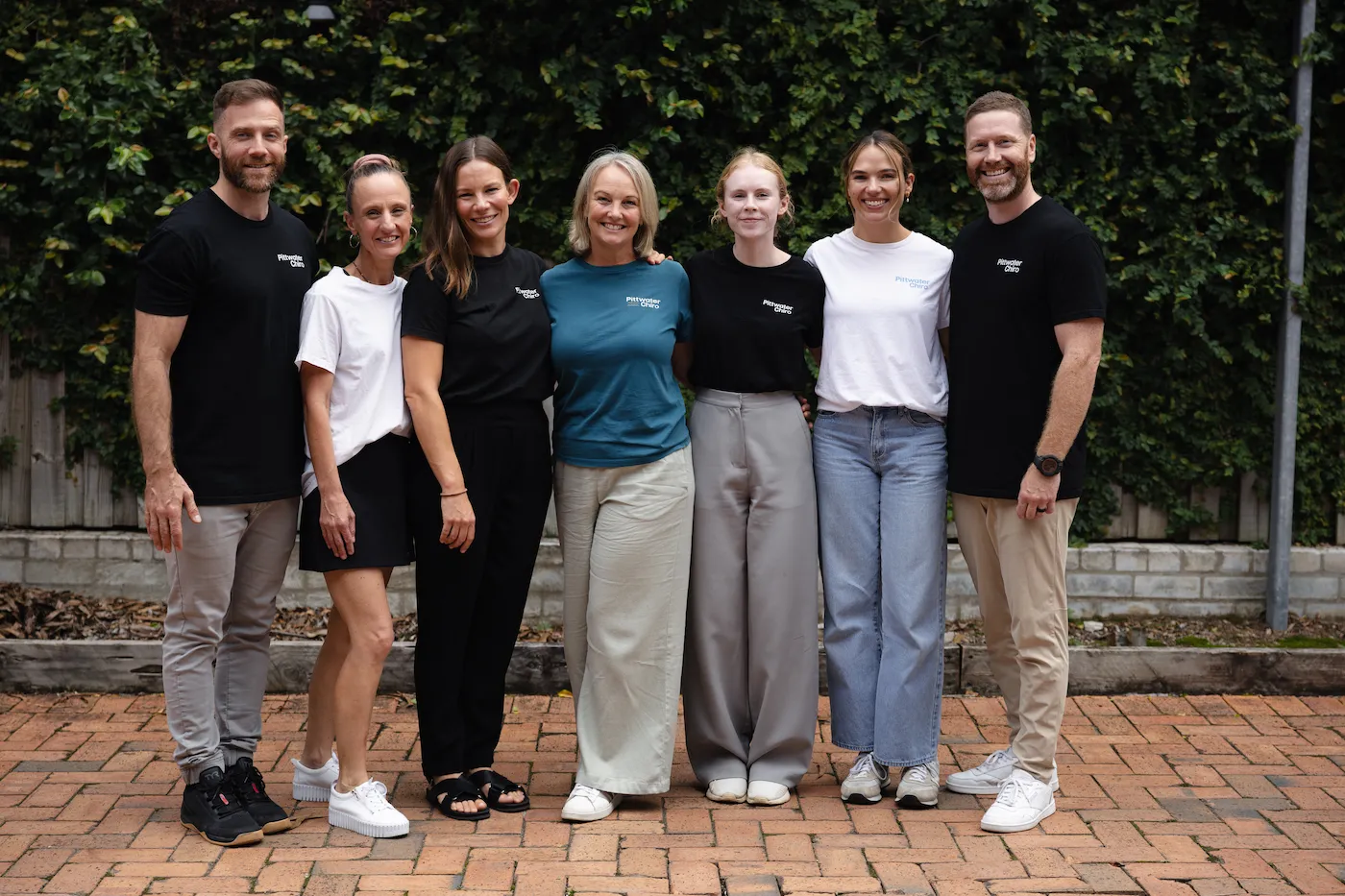
We understand that you are in physical discomfort and pain. Or that this might be your first time visiting an allied health clinic. At Pittwater Chiro, our experienced chiropractors pride themselves on their communication. We will make every effort to help you feel comfortable, safe, and welcome.
Your personalised recovery path is our priority and why our thousands of patients trust us with their care on their journey back to better health.
It can assist in addressing a wide range of conditions, including:
Muscle Pain
Joint Issues
Sports Injuries
Chronic Pain
Headaches

Discover our two dedicated chiropractic clinics located in Balgowlah and Mona Vale, where our expert team delivers exceptional chiropractic care in a welcoming and supportive environment. With a focus on holistic health and personalised treatment plans, we are here to get you back to doing what you love.
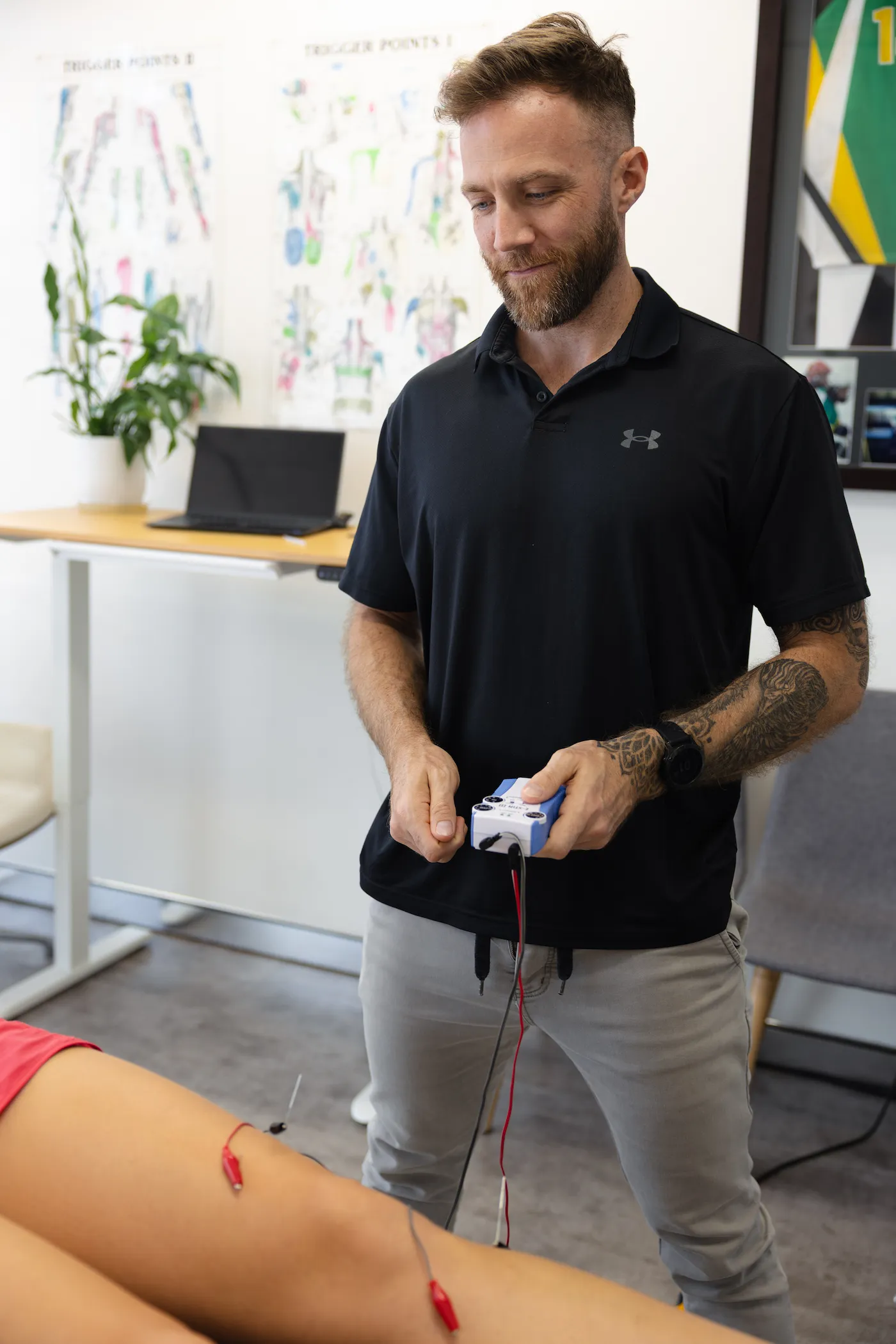
It is a therapeutic technique that involves the insertion of fine, sterile needles into specific trigger points or tight knots in muscles, fascia, or connective tissues. The term “dry” distinguishes it from “wet needling,” which may involve injecting substances like corticosteroids or anesthetics.

1
History of injury or pain
2
Examination
3
Diagnosis
4
Treatment
Dry needling is a minimally invasive treatment that involves inserting fine, sterile needles into tight or sensitive areas within muscles, fascia, or connective tissue (often called trigger points).
The term “dry” simply means no medication is injected — unlike “wet needling,” which involves substances such as corticosteroids or anaesthetic.
At Pittwater Chiro, dry needling is used as part of a broader treatment plan to help reduce pain and restore healthy movement.
Dry needling has historical roots in acupuncture principles, but in modern practice it is based on contemporary musculoskeletal and anatomical understanding.
While acupuncture is traditionally rooted in Chinese medicine and meridian theory, dry needling focuses specifically on muscle tension, trigger points, and neuromuscular function.
Dry needling can assist with a wide range of musculoskeletal conditions, including:
Your chiropractor will assess whether dry needling is appropriate for your specific presentation.
When a needle is inserted into a trigger point, it can help:
This can result in decreased pain, improved movement, and better muscle function.
Yes. By releasing tight muscles and trigger points, dry needling may improve joint mobility and overall range of motion.
This can be particularly helpful for:
Dry needling may support faster recovery from injury or surgery by promoting blood flow and nutrient delivery to affected tissues.
When combined with movement-based rehabilitation and strengthening, it can be a valuable part of a structured recovery plan.
Yes, particularly when headaches are linked to muscle tension in the neck and shoulders.
Dry needling in these areas may reduce muscle tightness and ease tension-type headaches. It can also play a role in managing some migraines where muscular tension is a contributing factor.
For people living with chronic conditions such as fibromyalgia or persistent lower back pain, dry needling may form part of a broader management approach.
It is often combined with education, exercise rehabilitation, manual therapy, and lifestyle strategies for best results.
Dry needling can assist with neuromuscular re-education. This means it may help:
This is particularly important when pain has altered the way muscles are working.
Dry needling is generally considered safe when performed by a trained health professional using sterile, single-use needles.
Your practitioner will conduct a thorough assessment and discuss whether it is appropriate for you before treatment begins.
At Pittwater Chiro, dry needling is rarely used in isolation.
It is typically combined with hands-on care, exercise rehabilitation, and tailored advice to address the underlying cause of pain and help you move confidently again.
