I’ve been seeing lots of patients with hypermobility in the clinic recently, so let’s talk about what it is and why your treatment approach might differ.
Understanding Hypermobility
You might have heard your parents describe you as “double-jointed” or noticed that you can bend your fingers back farther than your friends can. While this flexibility might seem like an advantage, for many people with hypermobility, it can actually lead to chronic pain, frequent injuries, and joint instability.
Hypermobility exists on a spectrum. Some people have just one or two hypermobile joints, while others have generalised hypermobility affecting multiple joints throughout the body. Common signs include bending your thumb back to touch your forearm, hyperextending your elbows or knees, or placing your palms flat on the floor without bending your knees.
Why hypermobile bodies need different care
If you’re hypermobile, you might have noticed that traditional chiropractic adjustments or physiotherapy leave you feeling temporarily better, but the same issues keep returning.
Hypermobile joints naturally have more movement, which means they rely more heavily on muscles to create stability rather than the passive support from ligaments and joint capsules. When we treat hypermobile patients with the same approach as non-hypermobile patients, we can actually create more instability rather than addressing the root cause.
How we adapt your treatment
- Tailored adjustments: Often in a hypermobile spine, there are still regions that have stiffness, most often these are transition segments of the spine. This means we still deliver specific adjustments/mobilisations to these regions only.
- Increased focus on soft tissue work: Hypermobile patients often develop areas of excessive muscle tension as the body tries to stabilise unstable joints. We use targeted soft tissue techniques and dry needling to release these compensatory patterns and restore balanced muscle tone around vulnerable joints.
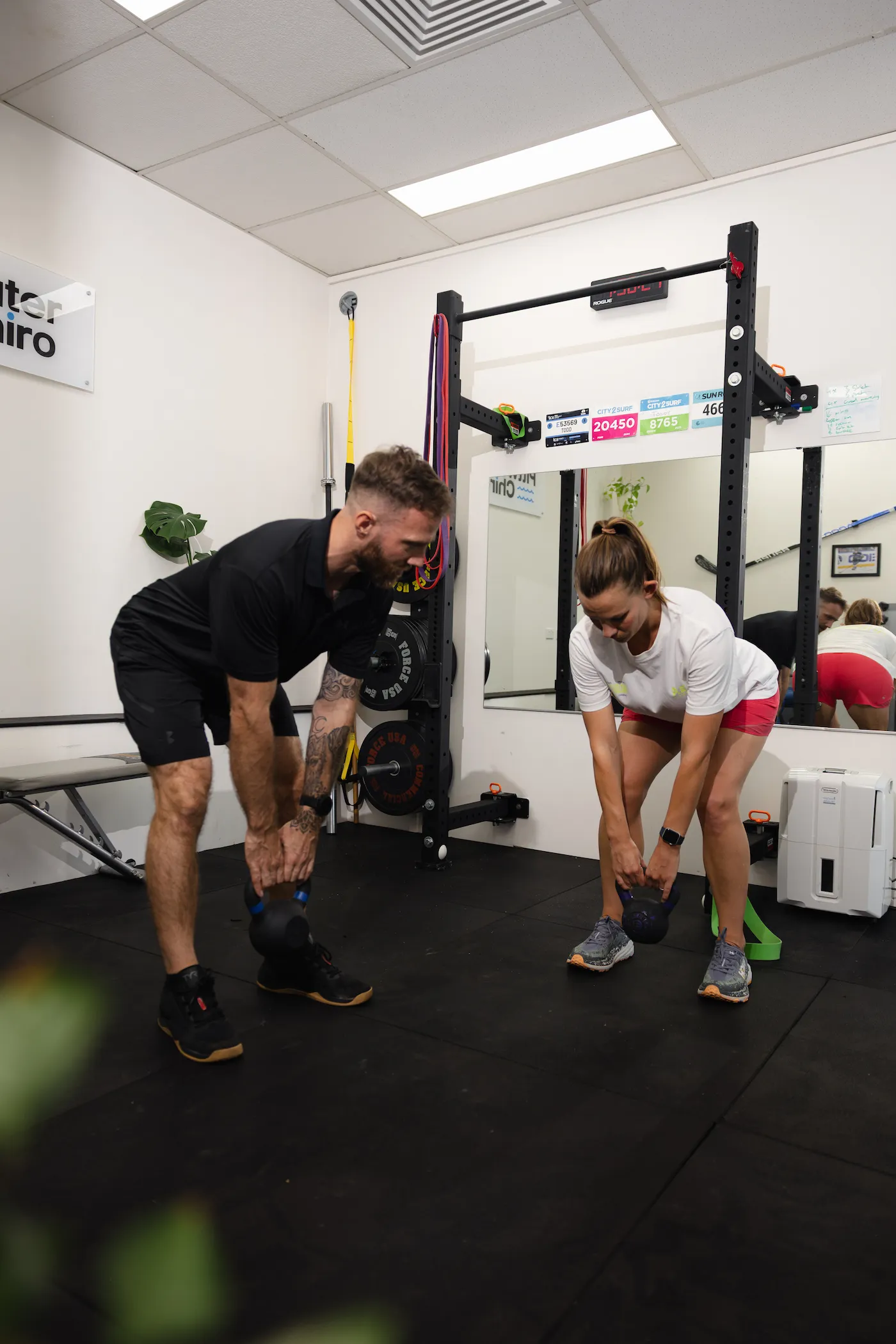
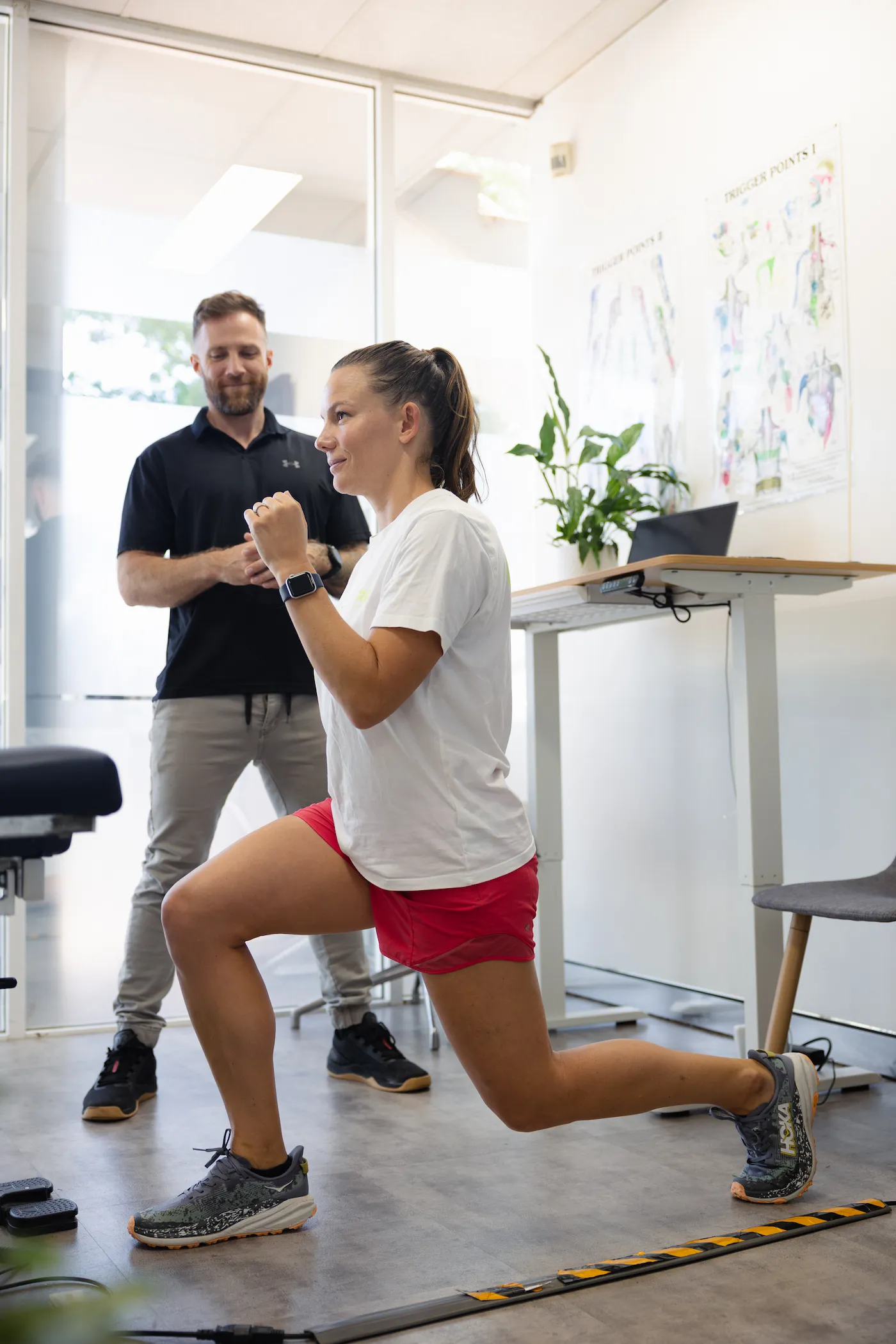
- Strengthening: This is where the real magic happens. Exercise rehabilitation is absolutely crucial for hypermobile patients. We design specific strengthening programs that teach your muscles to control your range of motion, essentially creating the stability your joints need. This isn’t about getting stronger to lift heavy weights—it’s about building control throughout your full range.
- Proprioception and motor control training: Many hypermobile individuals have reduced proprioception (your body’s awareness of where it is in space). We incorporate balance and coordination exercises that retrain your nervous system to better sense and control joint position, which helps prevent injuries and reduces pain.
- Education on joint protection: Part of your treatment includes learning which positions and movements may be putting excessive stress on your joints. We’ll discuss practical strategies for daily activities, whether that’s adjusting your desk setup, modifying your exercise routine, or changing how you carry your bag.
What can you expect
Treatment for hypermobility is typically a longer journey than for non-hypermobile patients. Building strength and motor control takes time—usually weeks to months rather than days. However, the results are worth it. When done properly, you’re not just getting temporary relief; you’re actually changing how your body functions.
You might notice that instead of feeling immediately “loose” after treatment, you may feel more stable and controlled. This is a good sign! We’re helping your body find its optimal balance between mobility and stability.
Working together to gain stability
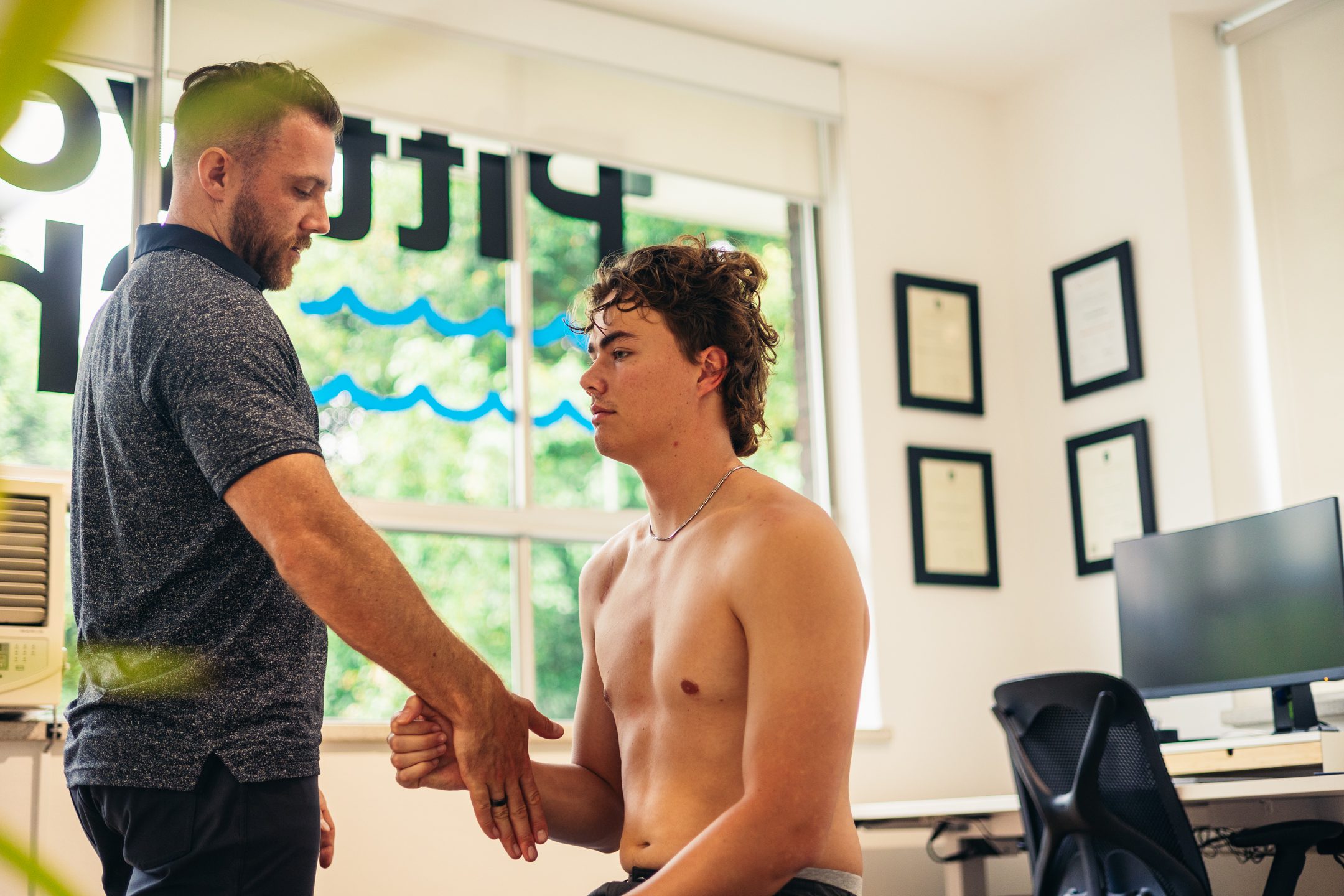
If you suspect you might be hypermobile, or if you’ve been frustrated with treatments that provide only short-term relief, let’s have a conversation. During your assessment, we’ll evaluate your joint mobility, movement patterns, and discuss your symptoms and injury history. From there, we can create a personalised treatment plan that addresses your unique needs.
Hypermobility isn’t something to “fix”—it’s simply a variation of normal anatomy that requires a different approach to care. With the right combination of manual therapy, dry needling, and targeted exercise rehabilitation, we can help you move with confidence and reduce your pain.
Ready to understand why your joints behave the way they do? Book a FREE discovery call with our Mona Vale or Balgowlah team.