
Our skilled Northern Beaches practitioners understand how hormonal cycles, pregnancy, birth, and the demands of motherhood can impact your body. Whether you’re dealing with monthly back pain, hip tightness during pregnancy, or struggling to get out of bed after a C-section, we’ve helped women just like you feel stronger, move better, and recover faster.
Pregnancy is an exciting time, but let’s be real, it can be tough on your body. Back and pelvic pain, round ligament tension, and postural changes from your growing belly are incredibly common. We use pregnancy-safe techniques to reduce discomfort, improve pelvic alignment, and help you stay active and confident throughout your pregnancy.
After birth, whether it’s vaginal or via C-section, your body starts to rebuild. But lifting, feeding, and sleepless nights can bring a whole new wave of strain. We’re here to support your return to comfort, whether you’re recovering from birth or dealing with postural strain from breastfeeding and baby-carrying.
As an expecting mother, staying active is one of the best things you can do for both you and your baby. However, many pregnant women feel uncertain about what exercises are safe and appropriate. We will guide you through evidence-based pregnancy exercises and help you feel confident in staying active during this special time.
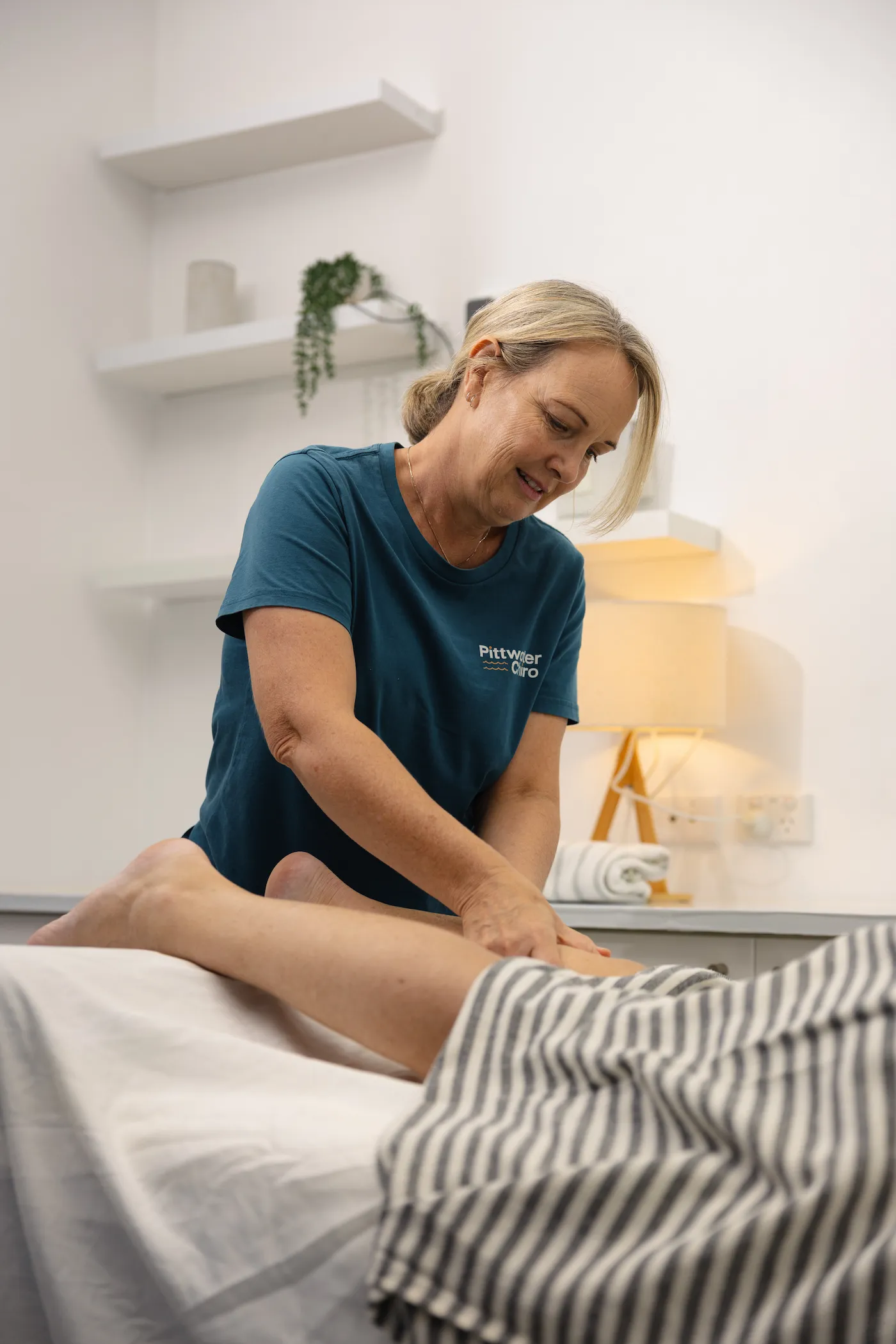
Pregnancy massage is a gentle and supportive way to ease the physical changes that come with pregnancy. It helps relieve common discomforts such as lower back pain, hip tension, swelling, and leg cramps, while promoting better circulation and deeper relaxation.
Leg and hip pain
Pelvic girdle pain
Pubic Symphysis Irritation
Pain from breastfeeding and lifting
Headaches and migraines
Chronic pain

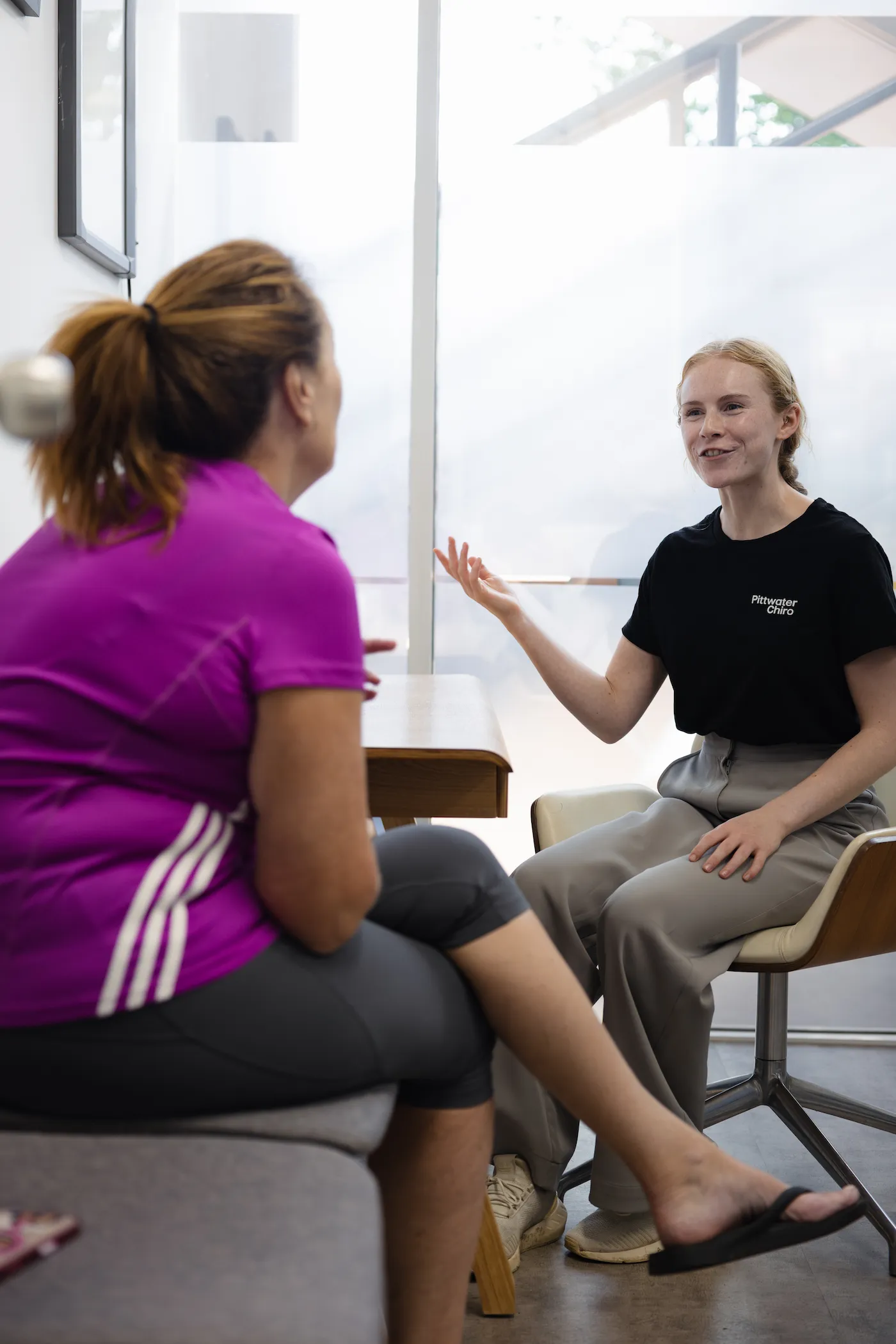
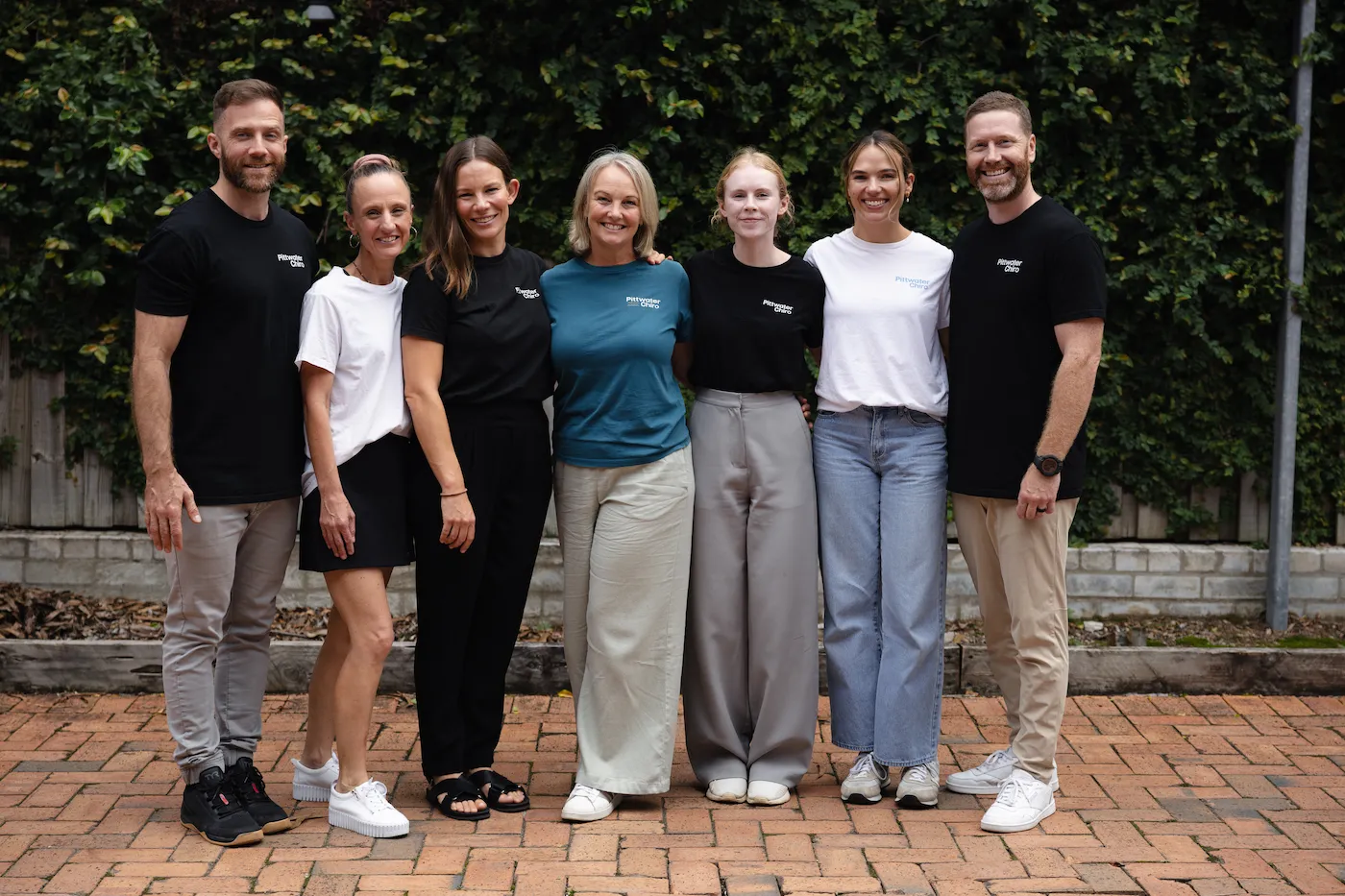
Pittwater Chiro is a group of forward-thinking chiropractors. We strive to help patients gain a deep understanding of their injuries, including the mechanisms and lifestyle factors that may have led to them. We create a personalised recovery path for everyone, with solutions based on the latest research and scientifically proven methods.
We come from various athletic backgrounds. So whether you are an elite athlete or any everyday local, we know what it takes to help you perform at your best.
1
History of injury or pain
2
Examination
3
Diagnosis
4
Treatment
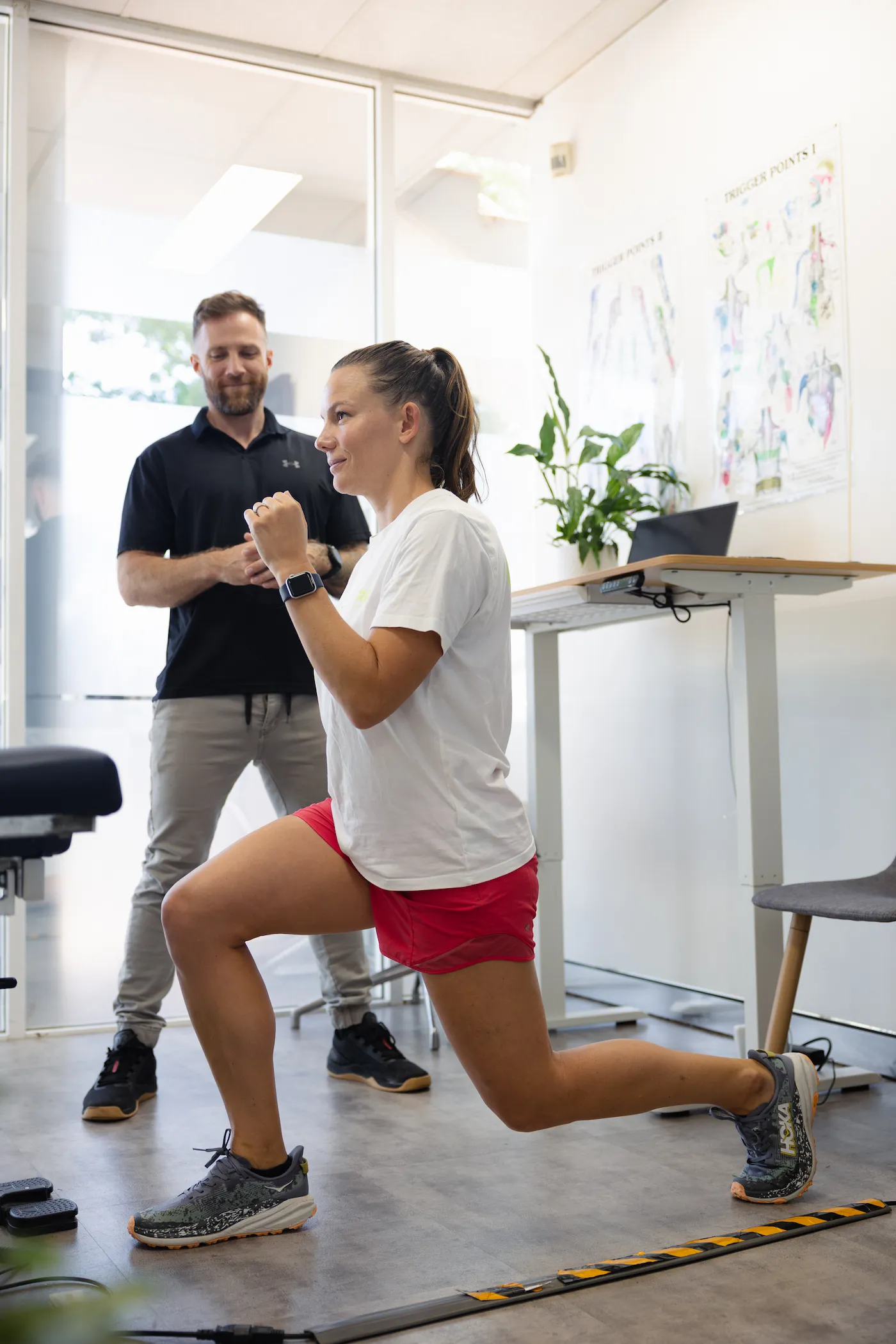
During your initial and follow-up consultation, your chiropractor will use a variety of examinations to determine the site and origin of the symptoms you are experiencing. These examinations include, but are not limited to, a thorough history, orthopaedic and neurological tests. In some cases, an X-ray or further imaging will be performed. The team at Pittwater Chiro takes pride in communicating with local GPs, specialists and other allied health professionals to ensure our patients receive the best possible care.
Postpartum chiropractic focuses on helping women recover physically after childbirth. It addresses spinal, pelvic, and muscular tightness or pain caused by pregnancy, labour, and the demands of caring for a newborn.
Pregnancy and childbirth shift your body’s centre of gravity putting additional pressure on some joints, ligaments, muscles and tendons. Chiropractic helps:
Chiropractors can assist with:
Pregnancy massage, also known as prenatal massage, is a therapeutic technique tailored to the unique needs of expectant mothers. Chiropractors or trained massage therapists modify positioning and pressure to ensure safety and comfort. Unlike standard massage, it:
Yes—pregnancy massage is generally safe when performed by a qualified practitioner familiar with prenatal anatomy and contraindications. Most professionals recommend starting after the first trimester (around 13 weeks). However, women with high-risk pregnancies, preeclampsia, or placental issues should consult their GP or obstetrician before booking a session.
Yes. Chiropractors offer offer lifestyle guidance, nutritional support, and stress-reduction techniques to complement hormonal care. Many women report relief from symptoms such as:
