Here’s what’s really going on
When you’re in pain, it’s natural to want someone to “fix” it. A quick adjustment, a magic
needle, a release. But the truth is — pain is more complex than a tight muscle or something
being “out.” Long-term recovery is about more than just hands-on treatment.
At Pittwater Chiro, we often hear praise for “fixing” your pain, and while we’d love to take the
credit, it’s not us who fixed it. We were merely the people who pointed you the way.
Whether you’re dealing with back pain, a flare-up in your shoulder, or a niggly hip, you
don’t need to be fixed. You need support, guidance, and the right tools to take control
of your recovery.
Pain doesn’t always mean damage (especially when it’s chronic)
Many people assume that pain is equal to something torn, out of place, or broken. But this isn’t
always the case. The idea of something being ‘out of place’ is often wrong, because if
something is truly out of place, then it has been dislocated or subluxed, which would require
a visit to the hospital, not the chiro/physio/osteo.
We know that it can feel like something is out of place, though, and that pain is very real. So why does it feel like that? Sometimes, it can be due to altered nerve input/output, or it can be due to increased inflammation in the joint or area of the injury, and sometimes it can be strong muscle guarding to stop you from using that joint. Your body is smart and protective — sometimes too protective. Stress, poor sleep, past injuries, or even beliefs
about your body can amplify pain, even when no structural damage is present.
Chronic pain is often more about your nervous system than your tissue. That’s why passive treatments alone don’t always create long-term change.
What manual therapy can do
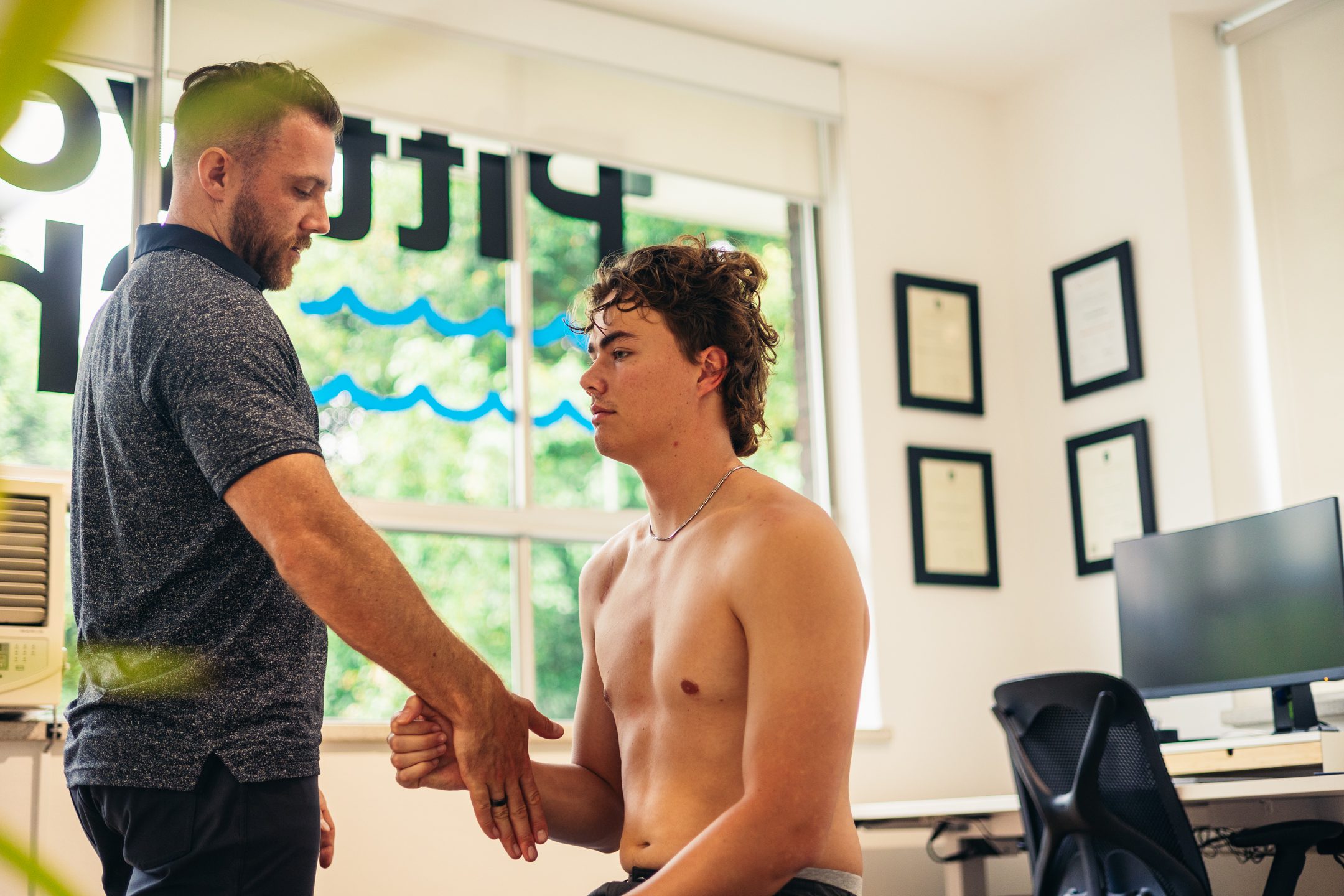
This is not to say that manual therapy has no place. Manual therapy like dry needling, cupping, chiropractic adjustments and mobilisation has real value. These modalities can:
- Provide short-term pain relief
- Reduce muscle tone and guarding
- Calm the nervous system
- Help you move more freely
All of these benefits are pretty important, because without them doing their thing it’s going to
be pretty hard to try to do your homework – like exercise, load management, and some other
strategies your practitioner may recommend. Manual therapy is also most powerful when
combined with education, rehab, and consistent movement. That’s where lasting change
happens — and it’s what we focus on in the clinic.
The pain gate theory: why movement and manual therapy work
The pain gate theory explains how the brain filters pain signals. When you experience
movement, pressure, or non-threatening input (like massage or joint mobilisations), it can
close the gate to pain signals travelling up the spinal cord.
This reduces the intensity of pain and helps rewire the brain’s pain pathways — especially
important for avoiding chronic pain. In simple terms: movement and manual therapy change
how your nervous system perceives danger. Less danger equals less pain.
What else can my practitioner help with? What’s the point in seeing someone if
They’re not “fixing” me?
We’re not here to fix you. We’re here to guide you. We help you understand your pain or
injury by effectively diagnosing what is going on and giving you clear expectations of
recovery time frames. We can also guide you on what not to do and what to do at home to
help shorten the recovery timeframe.
And, as mentioned above, we can dull your pain enough to be able to comfortably do what
you need to do. We could use hands-on treatment to reduce symptoms and improve
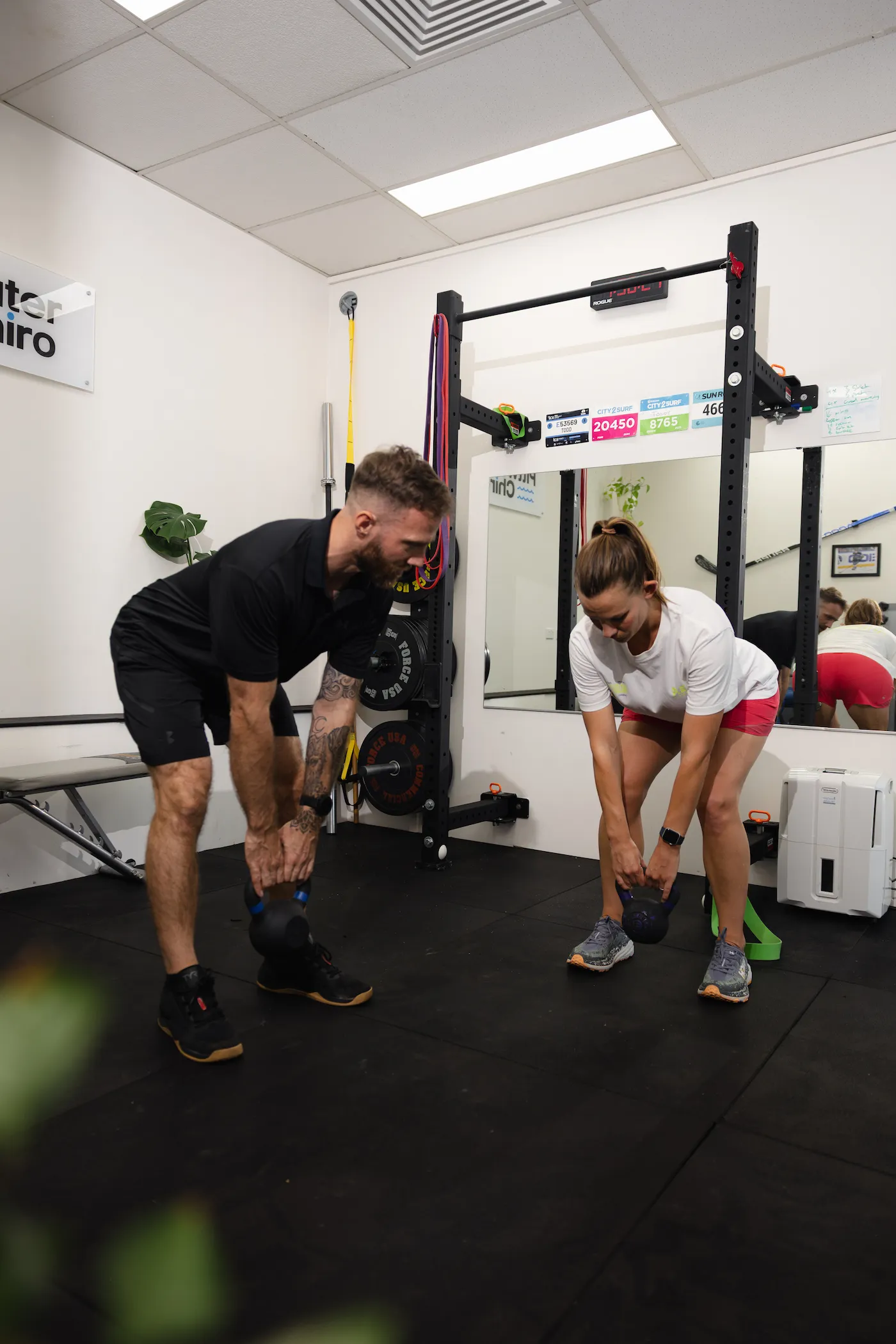
mobility. We can build strength and capacity through tailored rehab, and we empower you to
feel confident in your body again.
You’re not broken – you just need the right tools
You’re more resilient than you think. With the right approach, education, and consistent
effort, most injuries and pain states can improve — without relying on someone else to do all
the work.
If you’re ready to feel strong, mobile, and back in control, we’d love to support you.