
I’ve torn my ACL, now what?
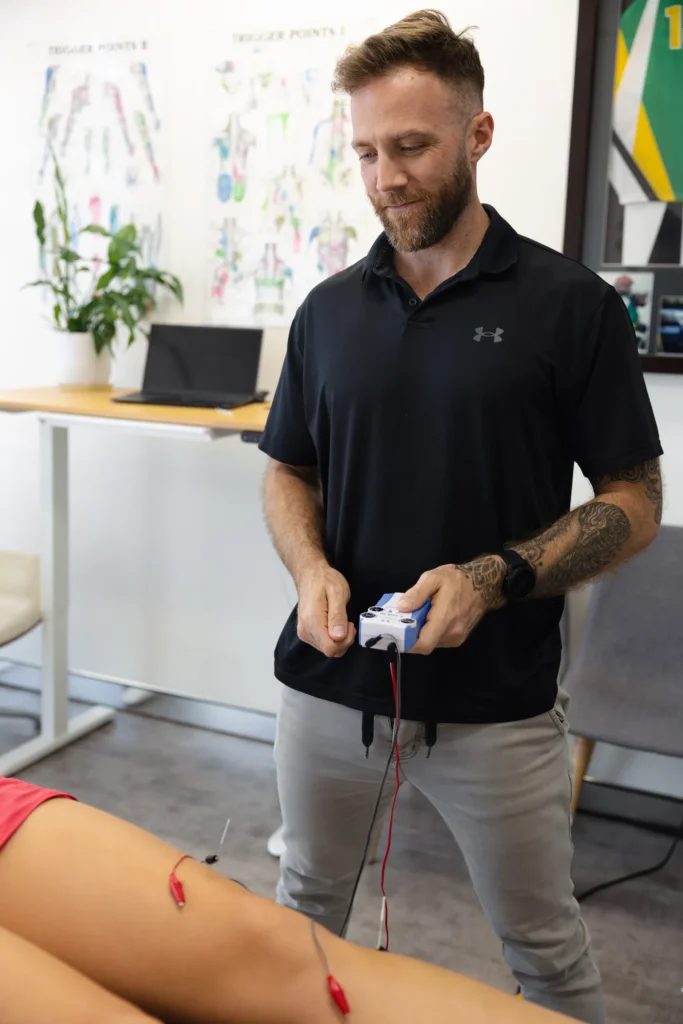
In the realm of sports injuries, few are as feared and common as a torn anterior cruciate ligament (ACL). The ACL is a ligament that connects your thigh bone (femur) to your shin bone (tibia). This can tear when you stop quickly, change director or with jumping. Whether you’re an athlete or simply someone who enjoys an active lifestyle, an ACL tear can be a major setback. But luckily, there are a few different options to send you on the path of ACL recovery. Surgery vs conservative care For a long time, it has been believed that the ACL has a poorer rate of spontaneous recovery, subsequently making it one of the most common orthopaedic surgeries performed worldwide, with the gold standard of surgical intervention being a tendon graft. Studies by Zbrojkiewicz et al (2018), Sutherland et al (2019), and Abram et al (2020) have highlighted the increasing incidence of ACL injuries and subsequent surgical reconstructions. The landscape of ACL treatment has evolved significantly over the past couple of decades. A shift in perspective is underway, challenging the notion that surgery is always necessary for recovery. The decision between surgery and conservative care hinges on various factors, including age, activity level, and personal preference. While some argue that surgical reconstruction may reduce the risk of further complications like meniscus lesions, the evidence does not back this up. Whether these benefits stem from the surgery itself or changes in activity levels post-recovery is unclear. Furthermore, there’s no definitive evidence linking ACL reconstruction to the prevention of osteoarthritis, and studies show that many athletes re-injure their ACL upon returning to their sport following an ACL surgery. Contrary to long-held beliefs, we’re discovering now that the ACL can indeed heal on its own under the right conditions. With proper bracing and a tailored rehabilitation plan, some patients may achieve satisfactory outcomes without going under the knife. Recent well-designed studies challenge the notion that surgery is a prerequisite for returning to sports. Conservative treatments have shown promising results for many patients, suggesting that surgery may not always be necessary. The cross-bracing protocol, rehabilitation, and conservative care A recent study published in the British Journal of Sports Medicine sheds light on the effectiveness of a cross-bracing protocol in facilitating ACL healing and rehabilitation. Essentially, cross-bracing involves applying a specific type of brace to the injured knee to provide support and stability during the healing process. Unlike traditional braces that merely restrict movement, cross-bracing aims to mimic the function of the ACL itself, allowing for more natural movement while still providing necessary reinforcement. The beauty of the cross-bracing protocol lies in its ability to harness the body’s natural healing mechanisms. By providing support to the injured knee and encouraging controlled movement, cross-bracing creates an environment conducive to ACL repair. This approach not only promotes healing but also helps to prevent further damage to surrounding structures, such as the meniscus. But perhaps the most compelling aspect of the cross-bracing protocol is its potential to eliminate the need for surgery in some cases. While surgical reconstruction has long been considered the gold standard for ACL injuries, it’s not always the best option for every patient. Cross-bracing offers a non-invasive alternative that may yield comparable results for many individuals, particularly those with less severe injuries or who prefer to avoid surgery. Of course, like any treatment approach, cross-bracing is not without its limitations. It may not be suitable for all patients, particularly those with complex or severe injuries. Additionally, success with cross-bracing depends heavily on adherence to the prescribed protocol, including diligent rehabilitation exercises and follow-up care. Conclusions on Cross Bracing Protocol In conclusion, the cross-bracing protocol represents a promising new frontier in the realm of ACL injury recovery. With its focus on harnessing the body’s natural healing abilities and providing targeted support, cross-bracing offers a non-invasive alternative to traditional surgical intervention. While further research is needed to fully understand its efficacy, early findings suggest that cross-bracing may hold the key to unlocking a smoother, more streamlined path to ACL recovery. Useful resources Whether you are considering surgery or not, it is always recommended you research your treatment plan and understand what it involves. Both surgery and conservative care have the best outcomes and the least chance of re-injury when properly followed by a rehabilitation program. An easy-to-read resource I would recommend to those who are considering surgical intervention is the “Melbourne ACL rehabilitation guide 2.0”, the link to access this is here: https://www.melbourneaclguide.com/docs/ACL_Guide.pdf Additionally, if you are looking to better understand the rehabilitative process involved before surgery, post-surgery or if you have decided to not have surgery, book in to see one of our chiropractors and we can have an in-depth discussion about what is best for your ACL recovery. For more reading, look at our blog on the benefits of exercise rehab. References A B
Why exercise rehab is important
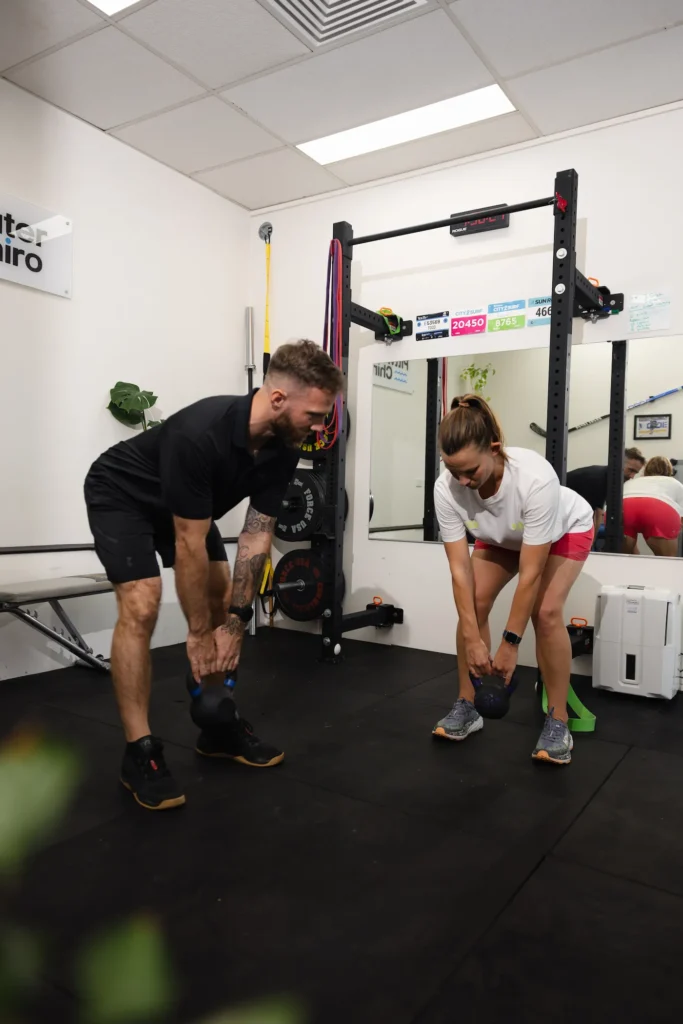
Exercise rehabilitation or rehab is a personalised approach to recovery, prescribed to every patient at Pittwater Chiro. Exercise rehab is the restoration of optimal form and function. When recovering from an injury or surgery, targeted exercises are prescribed to get your body moving to recover from injury and ensure that you can do all your daily activities. In addition, studies show that when exercise is combined with manual therapy (hands-on treatment), patients are more likely to recover from pain at a quicker rate and with a reduced chance of re-injury. Exercise rehab is a range of exercise techniques, formulated for the specific injury and the needs and limitations of the individual. These exercise techniques can be focused on improving range of motion, balance, coordination, flexibility, strength or functional movement patterns. Research suggests that exercise rehab can be beneficial for pain and/or injuries, such as neck pain, low back pain, ankle sprains, hamstring injuries, shoulder injuries and knee injuries. The benefits of exercise rehabilitation Improved strength and stability Improved flexibility and range of motion Decreased pain levels via release of endorphins (the body’s natural painkillers) Prevention of injury recurrence Improved proprioception, and subsequently improved balance and coordination. Improved psychological well-being Increased recovery rates Important components of a exercise rehab program Assessment Allied health professionals i.e. chiropractors, physiotherapists, and exercise physiologists, should be the only practitioners that provide you with an exercise rehab program. A professional will be able to effectively assess and understand the nature and extent of your injury, your current health status and the specific needs of you as an individual to recover from the current condition. Tailored programs Building on the above-mentioned point, a tailored program is useful when recovering from injuries or chronic pain conditions. We’re all different, and every human body has different strengths and limitations. If you start a program with too many exercises or a weight that is too heavy for you, you will set yourself up for re-injury. If you progress through your program too slowly, your body won’t continue to strengthen, again increasing the risk of re-injury. This is why it is important to have a health professional monitor your progress ensuring that you are safely improving at the right pace. Progressive overload That brings me to my next point. Progressive overload is a concept widely used but often poorly executed. It’s pretty normal to get excited about an exercise or the feeling that you’re getting back to your pre-injury activity levels. This enthusiasm can make you go from 0 – 100 real quick which can result in re-injury. The progressive overload principle involves gradually increasing the intensity or load over time to continually challenge your muscles, and promote growth and adaptation. The idea is to push your body slightly beyond its current capacity during each workout, forcing it to adapt by becoming stronger, more endurance-oriented, or more flexible. It’s essential to implement progressive overload cautiously and gradually to minimise the risk of injuries and allow for proper recovery. Functional movements While this can be a bit of a buzzword, exercises within a rehab plan should aim to mimic the functional movement patterns you do as an individual. This could be simple activities of daily living, such as getting up from a chair, or can be more sport-specific such as rotational movements. The goal of these exercises is to build confidence in your abilities to complete these activities pain-free. Conclusion Exercise rehabilitation is a transformative journey that goes beyond physical recovery. It empowers individuals to actively participate in their healing process, fostering a sense of control and resilience. Always consult with health professionals to develop a personalised exercise rehab plan that suits your specific needs and circumstances. For more information on the type of exercise rehab used at Pittwater Chiro, read Jess’s blog on Dynamic Neuromuscular Stabilization. References Frontera WR. Rehabilitation of Sports Injuries: Scientific Basis. Vol X of Encylopaedia of Sports Medicine. An IOC Medical Comittee Publication in collaboration with the International Federation of Sports Medicine. Blackwell Science Ltd. 2003 Mintken PE, McDevitt AW, Cleland JA, Boyles RE, Beardslee AR, Burns SA, et al. Cervicothoracic Manual Therapy Plus Exercise Therapy Versus Exercise Therapy Alone in the Management of Individuals With Shoulder Pain: A Multicenter Randomized Controlled Trial. The journal of orthopaedic and sports physical therapy. 2016;46(8):617–28. Brody LThein, Hall CM. Therapeutic exercise moving toward function. 3rd ed. Philadelphia: Wolters Kluwer/Lippincott Williams & Wilkins Health; 2011. Fredin K, Lorås H. Manual therapy, exercise therapy or combined treatment in the management of adult neck pain – A systematic review and meta-analysis. Musculoskeletal science & practice. 2017;31:62–71. Chris MB, Jeffrey BT, Dischiavi SL, Doherty C, Delahunt E. Rehabilitation Exercises Reduce Reinjury Post Ankle Sprain, But the Content and Parameters of an Optimal Exercise Program Have Yet to Be Established: A Systematic Review and Meta-analysis. Archives of Physical Medicine and Rehabilitation, 2019;100(7):1367-1375. Rainville J, Hartigan C, Martinez E, Limke J, Jouve C, Finno M. Exercise as a treatment for chronic low back pain. The Spine Journal, 2004;4(1):106-115.
Chiropractic vs. Physiotherapy
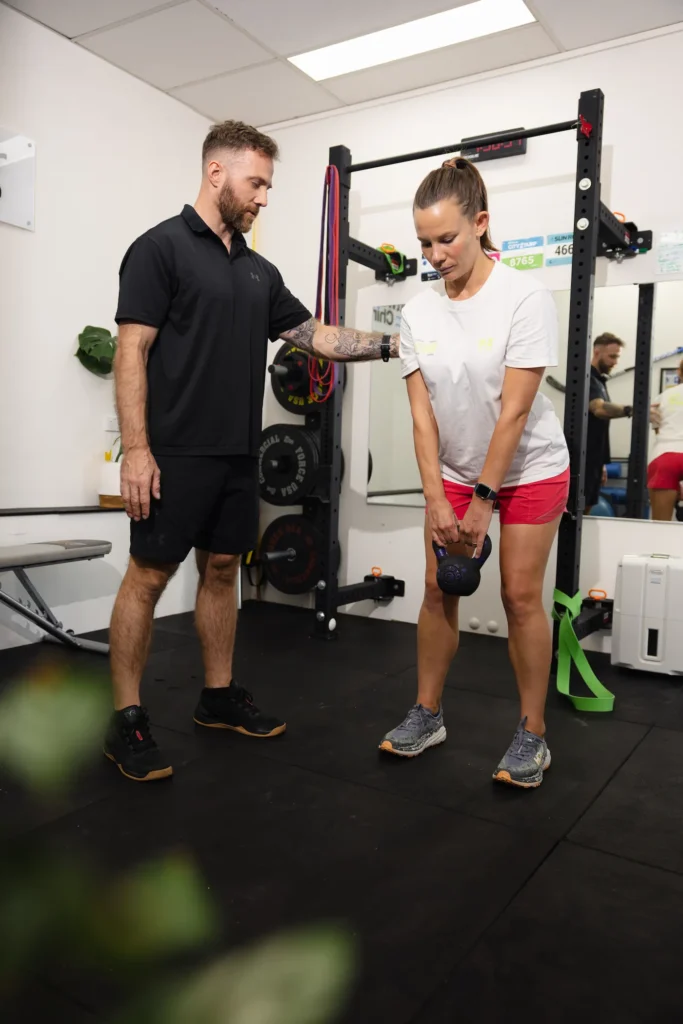
We often get asked what the difference is between chiro and physio. The answer will differ depending on each practitioner as we treat each patient differently. However, these days chiro and physio are taught very similarly with a few specialised differences. In fact, many subjects in the chiropractic degree are done alongside physiotherapy students. Overall, chiropractic students are taught more thoroughly in joint mobilisations and manipulations (also called adjustments). Physios will be taught more thoroughly in post-surgical rehab, respiratory conditions and stroke management. Musculoskeletal disorders are covered in both professions. Whilst I can’t talk on behalf of all chiros, I want to point out a few common misconceptions about our profession. This way you know what to expect when you receive treatment with us. Chiropractors can help with more than just the back. One of the most prevalent misconceptions about chiropractic is that we can only help with back pain. There’s no denying we relieve back pain, but we’re also effective in treating other regions of the body too! In fact, there’s a growing body of research on the effectiveness of manual therapy for knees, shoulders, hips and feet. When studying at university, chiro students spend a lot of time learning how to treat the upper and lower limbs. This means that we have in-depth knowledge from dedicated time on nearly every joint. Chiropractic treatment doesn’t have to involve an adjustment. While adjustments are effective, they’re just one tool in our toolkit. If it’s something that you find uncomfortable, we won’t use that technique. Some treatments may not even include an adjustment depending on the patient’s needs and preferences. We’re taught many alternatives to an adjustment including gentle joint mobilisations, dry needling, and soft tissue techniques. An adjustment isn’t bones popping in or out of place. While it might sound or feel like your bone is moving out of place that is certainly not the case! The ‘popping’ or ‘cracking’ sensation felt during an adjustment is the creation of a gas bubble in the fluid surrounding the joint. While that crack feels nice, it doesn’t necessarily always have to occur for the adjustment to be effective. An adjustment aims to stretch the surrounding muscle via a small quick movement, which stimulates the nerve. This will decrease the pain signals sent from the brain, causing the muscle to relax and improving the movement of that joint. Chiropractors can (and often will) prescribe at-home exercises. Most chiropractors will prescribe their patient’s exercises to do at home after their treatment. This is done for the same reasons that physios prescribe exercises. Exercise is one of the most effective ways to recover from injury and pain. When exercise is combined with manual therapy, research shows it is the most effective in reducing pain, increasing mobility and reducing recurrence. We won’t send you off for x-rays unless you need them. While imaging is useful, it’s not always necessary and can sometimes cause unnecessary fear and anxiety. There are times when imaging is required, but not for every patient, and this is why we take the time to ask questions about the patient and the symptoms they’re suffering. When choosing between chiro, physio, osteo or any other form of manual therapy, make a decision based on the practitioner rather than the profession. The best treatment results occur when you can trust your practitioner.
