You’re stretching regularly, doing all the “right” things, but somehow you still feel stiff.
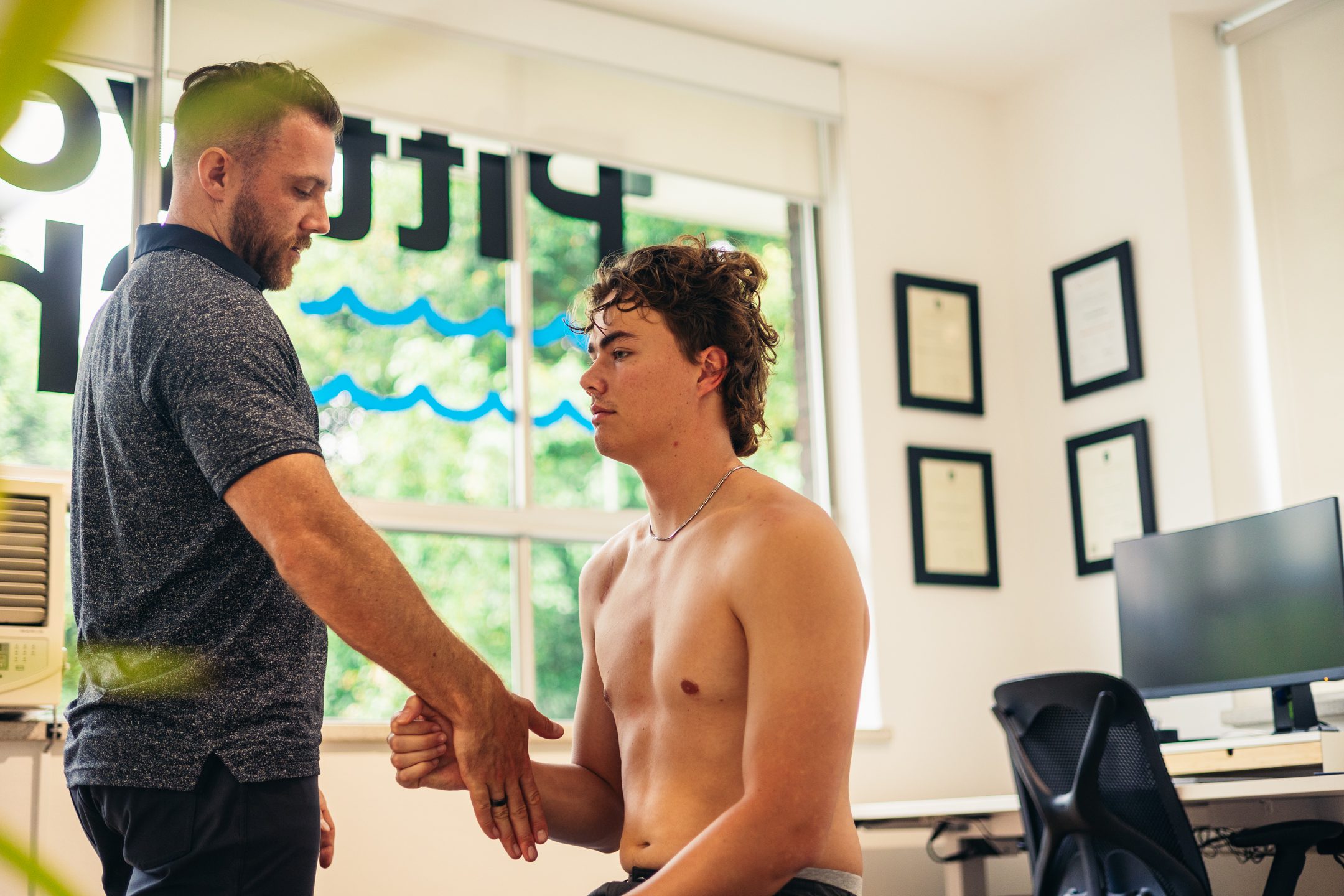
We see this all the time in the clinic. Someone will say, “I stretch every day, but my hamstrings still feel tight,” or “I’ve been doing mobility work, but my back still locks up.” And honestly, it can be really frustrating when you feel like you’re putting in the effort, but your body isn’t changing.
A lot of people assume tight muscles simply need more stretching. But often, the issue isn’t that you’re not stretching enough. It’s that stretching alone isn’t addressing the bigger reasons your body is holding tension in the first place.
Sometimes stiffness is less about one “short” muscle and more about your body asking for better recovery, more strength, more hydration, or a calmer nervous system.
Let’s break it down.
It’s not just “tight muscles”, it’s your whole system
Muscle tightness isn’t only a local issue.
It can be influenced by:
- your nervous system state
- hydration and tissue quality
- strength and control in range
- daily load and posture habits
- recovery and stress levels
This is why someone can stretch their hips every night and still feel tight the next morning. The stretch might give temporary relief, but if the underlying drivers are still there, the body often returns to the same protective pattern.
So when tightness keeps coming back, it’s usually your body responding to something deeper than simply needing a longer stretch.
Hydration and fascia health
Your body is made up of roughly 60–70% water, and that matters more than most people realise when it comes to how “loose” or “stiff” you feel.
Fascia is the connective tissue that surrounds and supports your muscles, joints, nerves, veins, arteries, bones and organs. It helps everything glide and move smoothly.
When your fascia is well hydrated, it tends to be more elastic, responsive and adaptable. When it’s dehydrated, it can feel more sticky, stiff and restricted.
This is one reason people can stretch and still feel tight again quickly. The issue may not just be the muscle itself, but the environment the muscle is sitting in.
And hydration isn’t just about drinking more water. It’s also about fluid balance and electrolytes, which help your body actually absorb and use that water properly.
Simple hydration upgrades:
- Coconut water, which is naturally rich in electrolytes
- Electrolyte tablets, especially if you train, sweat or drink a lot of caffeine
- Water and minerals consistently throughout the day, rather than chugging water at night
- Hydrating fruits like watermelon, oranges, berries, kiwi and cucumber
It sounds simple, but for a lot of people, improving hydration can make their body feel less “dry,” stiff and resistant to movement.
Nervous system reset: why your body holds onto tightness
If your nervous system is constantly switched on, your muscles will often stay lightly guarded, even if you’re stretching regularly.
This is something we talk about a lot in the clinic. When life is busy, stressful or physically demanding, your body doesn’t always feel safe to fully relax. It prioritises protection over flexibility.
That might show up as tight shoulders, a stiff lower back, guarded hips, or that general feeling of being tense all the time.
A few simple ways to help down-regulate your system include:
- slow nasal breathing, especially with longer exhales
- walking outside in natural light, especially morning sun
- gentle movement instead of only intense training
- reducing long periods of sitting with short movement breaks
- time in nature, beach walks or quiet downtime
- calming practices like yoga, Pilates or breath-focused mobility
These small inputs signal to your body that it’s safe to let go of tension.
For a deeper dive into this, you can also read our blog on regulating your nervous system.
Let’s talk about length
This is the piece most people are missing.
Stretching can improve range of motion temporarily, but your body doesn’t always “keep” that range unless it feels strong and controlled there.
That’s where strength through length comes in.
Instead of just pulling a muscle longer, you’re training it to:
- control load in stretched positions
- stay stable at end range
- produce force without tightening defensively
A simple example is the difference between passively stretching your hamstring on the floor versus slowly lowering into a Romanian deadlift and controlling the length under load.
Both can create a stretch sensation, but only one teaches your body that it is strong and safe in that range.
When your nervous system trusts that you can control a position, it no longer needs to guard that area with tension. This is how flexibility becomes more sustainable rather than something you have to keep chasing every day.
What strength through length looks like
Rather than only stretching tight areas, we want to layer controlled strength into those same ranges of motion.
This can be done through a mix of Pilates, yoga, mobility work and resistance training.
Pilates and yoga
Pilates and yoga can be excellent for building awareness, control and trust in your body.
They can help you slow down, breathe, and move with more intention — which is often exactly what a tight, guarded body needs.
Examples include:
- slow, controlled spinal articulation, such as roll downs or cat-cow variations
- deep lunge holds with breath and alignment focus
- sustained holds in lengthened positions, such as warrior poses or hip openers
- core control in extended positions, such as dead bugs or hollow holds
- shoulder stability through controlled flow sequences
This is where you build awareness, coordination and nervous system control in range.
Resistance Training
Resistance training is where we build actual load tolerance and long-term change in tissue capacity.
Examples include:
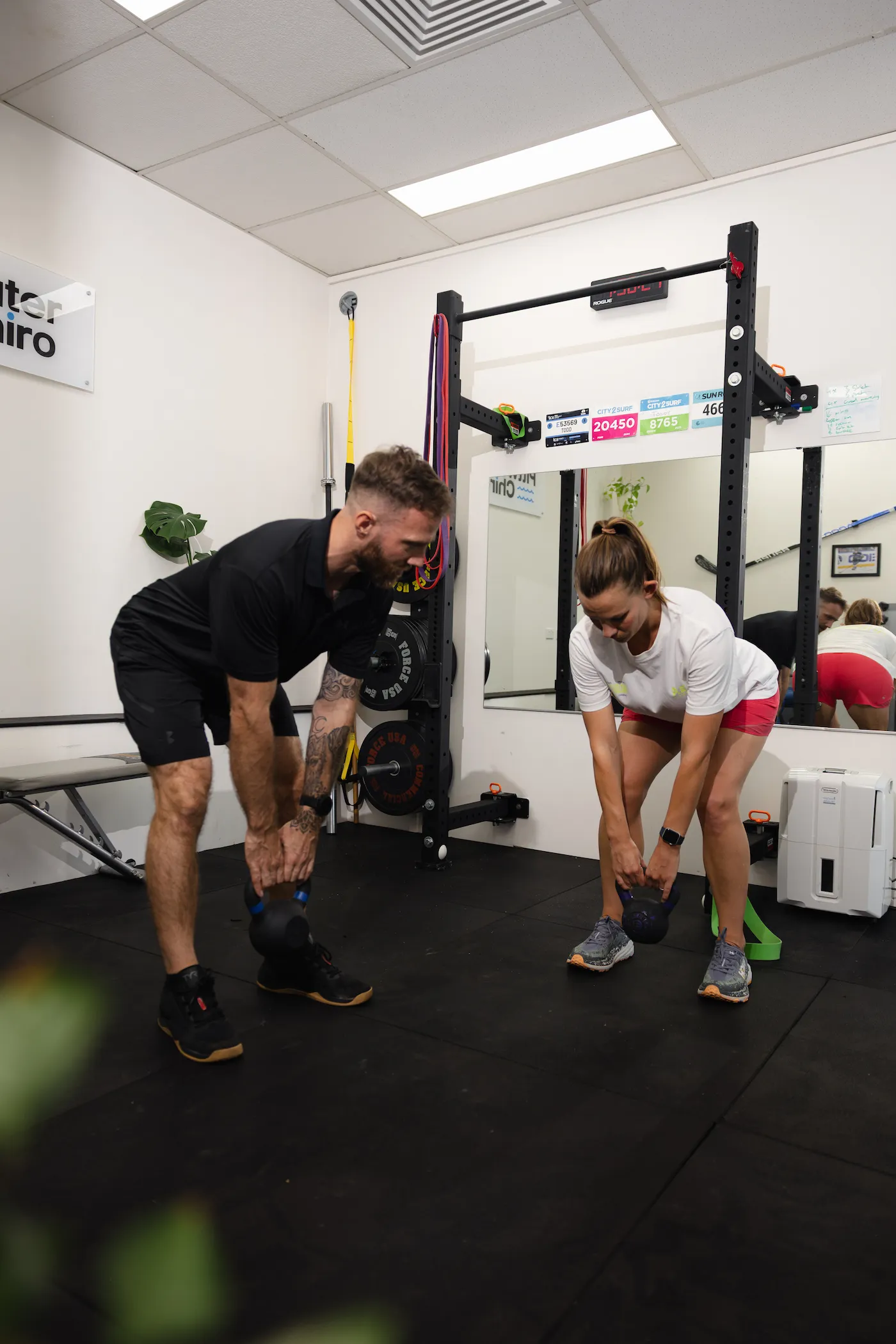
- Hamstrings: Romanian deadlifts, slow eccentrics and single-leg RDLs
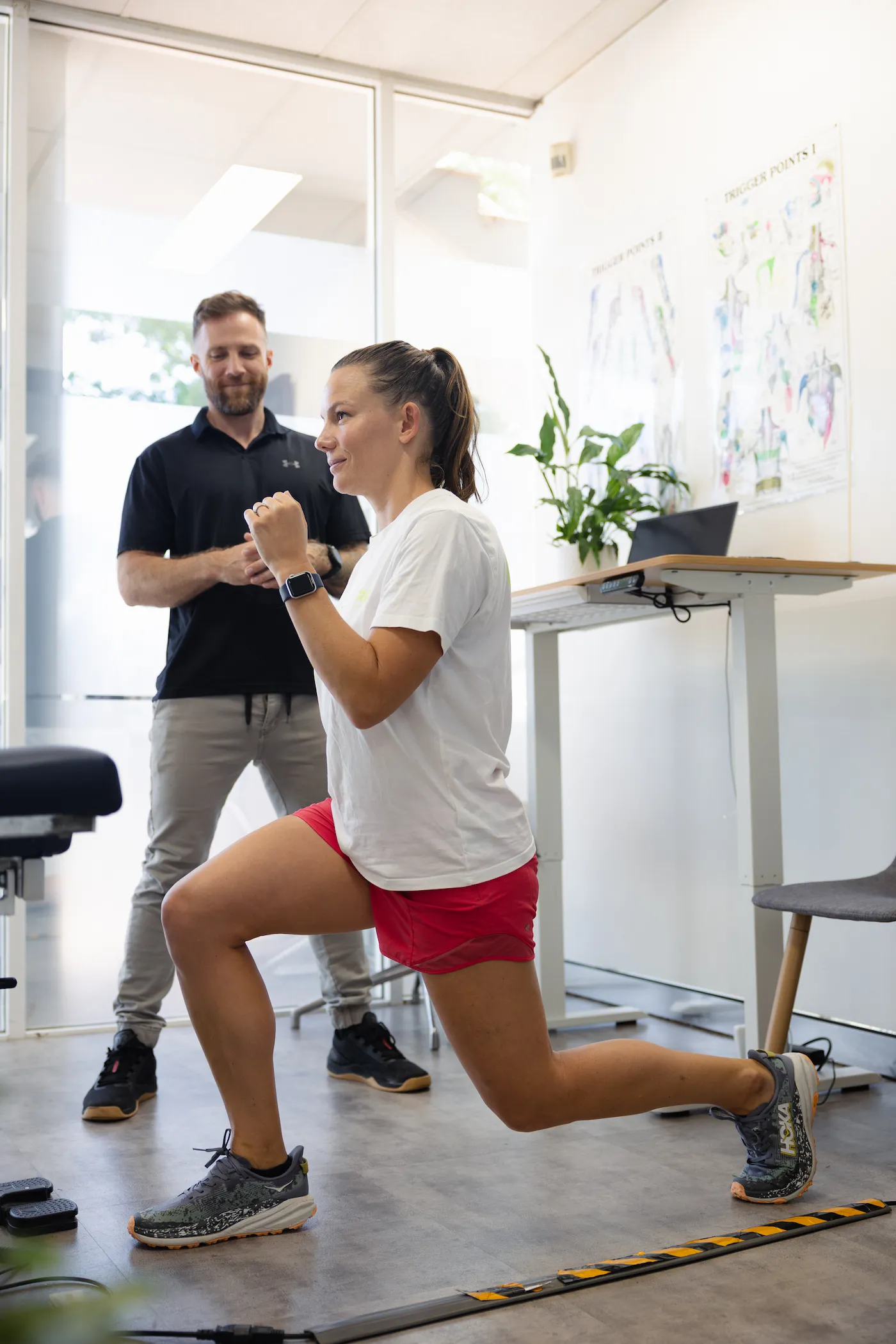
- Glutes: split squats, lunges with depth and control, and step-downs
- Hips: deep squat holds with active engagement and goblet squats
- Spine: controlled hinge patterns, loaded carries and spinal control under resistance
- Shoulders: overhead presses with control, end-range isometric holds, and incline pressing through a full range
The focus isn’t just on moving weight. It’s learning to control that weight through a full, lengthened range.
That’s often the difference between feeling temporarily looser and actually building a body that feels more capable and resilient.
A personal note
As a former gymnast and someone who is very hypermobile, I’ve always had a lot of range in my body. Recently, I’ve noticed my body feeling quite stiff. Even though my range is still better than the average person, my body feels relatively stiff compared to my normal. At first, I blamed it on ageing, but the truth is I can’t do what I used to do, and I probably never will again.
And I’ve realised it’s not just age. It’s that I’m not as strong as I used to be, I’m not as physically conditioned, and I have a lot more stress now (the reality of being an adult).
As a naturally hypermobile person, I think my body has also started to compensate. Almost like it’s tightened up a little to protect me, because I don’t have the same strength and control I once had to support all that range.
I don’t need to be the same athlete I was back then, but I do miss feeling light in my body and applying some of these tips has been a game-changer for me.
The big picture
If stretching hasn’t been working, it doesn’t mean your body is stubborn or broken.
It usually means your system is asking for something more complete.
That might include:
- better hydration and tissue quality
- a calmer nervous system
- more strength in lengthened positions
- better recovery habits
- more confidence and control in movement
Stretching can still be helpful, but it works best when it’s part of a bigger picture.
When these pieces come together, stretching stops being a temporary fix and becomes part of a much more sustainable way to help your body move and feel better.