As a chiropractor working with women across all life stages, one pattern I see consistently is women in their 40s and 50s beginning to present with musculoskeletal conditions that seem to arrive almost out of nowhere. For example, frozen shoulder, hip bursitis, tendinopathies that take longer to heal, and joint pain that wasn’t there before.
These aren’t necessarily coincidences. And they aren’t simply the result of “getting older.”
Research increasingly suggests that hormonal changes during perimenopause and menopause can influence musculoskeletal health, affecting muscle, tendon, cartilage, ligament and bone.
How hormonal changes during menopause affect joint and muscle health
To understand why the musculoskeletal system may become more vulnerable during perimenopause and menopause, we first need to understand what’s happening at a hormonal level.
How declining oestrogen affects muscles, tendons and joints
Oestrogen is far more than a reproductive hormone. It is a systemic regulatory hormone with receptors found throughout the body, including in bone, muscle, cartilage, tendons, ligaments and the central nervous system.
During perimenopause (typically beginning in the 40s), oestrogen levels begin to fluctuate significantly before eventually declining.
This decline can influence the musculoskeletal system in several ways:
- Collagen production and connective tissue change
Oestrogen plays an important role in regulating collagen metabolism. Studies show that skin collagen content can decrease by approximately 30% in the first five years after menopause.
Although this exact figure doesn’t apply to all connective tissues, research suggests that declining oestrogen can also influence the structure and mechanical properties of tendons and ligaments.
Tendons, ligaments and joint capsules are collagen-rich structures, and changes in their composition may affect their ability to tolerate and respond to physical loading.
- Inflammation can increase
Oestrogen has important roles in regulating inflammation. As levels decline, changes in inflammatory signalling may contribute to increased joint discomfort and musculoskeletal symptoms.
This may partly explain why some women experience persistent aches and pains during the menopausal transition, even without a clear injury.
- Bone remodelling is disrupted
Oestrogen plays a critical role in regulating osteoclast activity (also known as bone breakdown).
Without adequate oestrogen, bone resorption can outpace bone formation, leading to accelerated bone density loss in the years surrounding menopause.
Over time, this increases the risk of osteopenia, osteoporosis and fractures.
- Pain sensitivity may change
Oestrogen influences the central and peripheral nervous systems’ processing of pain.
Fluctuating and declining hormone levels may alter pain sensitivity and pain modulation, potentially contributing to the increased prevalence of musculoskeletal discomfort during perimenopause and menopause.
Progesterone and testosterone and muscle loss during menopause
While oestrogen receives most of the attention, progesterone and testosterone are also part of the hormonal picture.
Progesterone levels become more variable during perimenopause as ovulation becomes less regular. Progesterone has roles beyond reproduction, including effects on sleep and the nervous system. However, its direct contribution to muscle loss and connective tissue healing remains less clearly established.
Testosterone, often overlooked in women, contributes to normal muscle and bone physiology. Testosterone levels generally decline gradually with age rather than falling abruptly at menopause.
Changes in these hormones, alongside declining oestrogen, ageing and altered physical activity, may contribute to changes in muscle mass and physical function.
Relaxin, ligament health and menopause
Relaxin is another hormone involved in connective tissue regulation, particularly during pregnancy and the menstrual cycle.
Research suggests that relaxin and oestrogen can influence ligament properties and collagen metabolism.
However, the relationship between relaxin, menopause and ligament injury remains an emerging area of research. We cannot yet conclude that changes in relaxin during menopause directly increase the risk of ligament injury.
Frozen shoulder and menopause: is there a connection?
Adhesive capsulitis, commonly known as frozen shoulder, affects approximately 2–5% of the general population and is particularly common in adults aged 40–60, with women more frequently affected than men.
Interestingly, this overlaps with the typical age of the perimenopausal and menopausal transition.
Why frozen shoulder may be more common during perimenopause
The glenohumeral joint capsule is a collagen-rich structure, and researchers are investigating whether hormonal changes influence the development of adhesive capsulitis.
Several possible mechanisms have been proposed:
- Changes in collagen metabolism may influence the thickening and fibrosis of the joint capsule that characterises frozen shoulder.
- Altered inflammatory signalling associated with declining oestrogen may contribute to changes in capsular tissue.
- Hormonal influences on connective tissue may affect how the capsule responds to injury and inflammation.
- Changes in pain processing may influence the pain experienced during the condition.
Research has identified possible associations between menopause-related hormonal changes and frozen shoulder. However, a direct causal relationship has not yet been established.
Other factors, including diabetes, thyroid disorders, previous shoulder injury and prolonged immobilisation, also contribute to frozen shoulder risk.
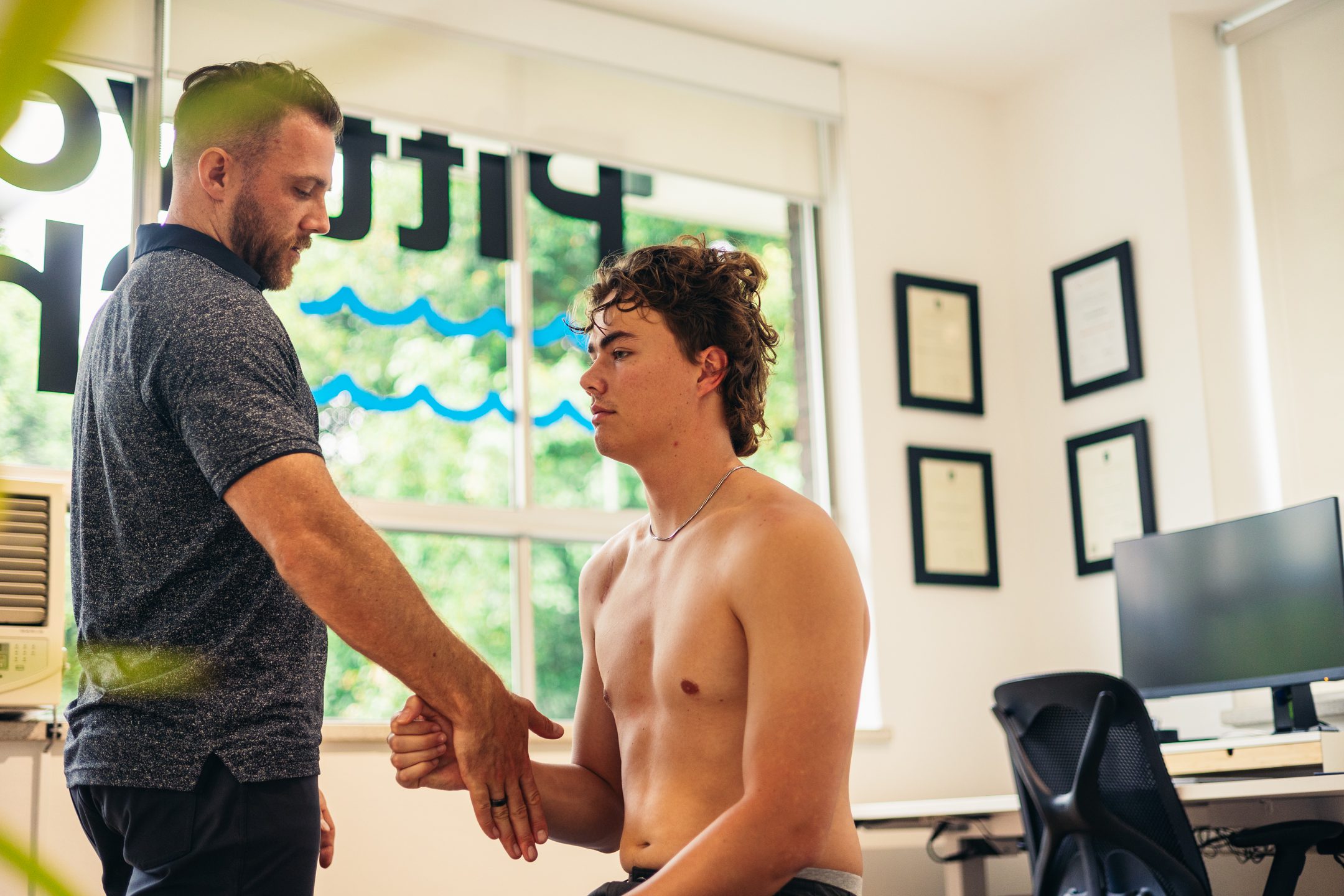
The clinical implication is important: treating frozen shoulder in a perimenopausal woman as a purely mechanical or postural problem may overlook other contributing factors.
Management should consider the broader hormonal, metabolic and musculoskeletal picture.
How to manage joint pain and musculoskeletal symptoms during menopause
- Understand why menopause can cause joint and muscle pain
If you have been told your frozen shoulder, hip pain or tendon issues are simply due to posture, overuse or age, that may only be part of the story.
The hormonal changes happening in your body may also be influencing your connective tissue, pain sensitivity and musculoskeletal function.
However, not all pain during menopause is caused by hormones, so an appropriate assessment remains important.
Understanding the broader picture is the first step towards getting the right care.
- Strength training during menopause: protecting muscles, bones and joints
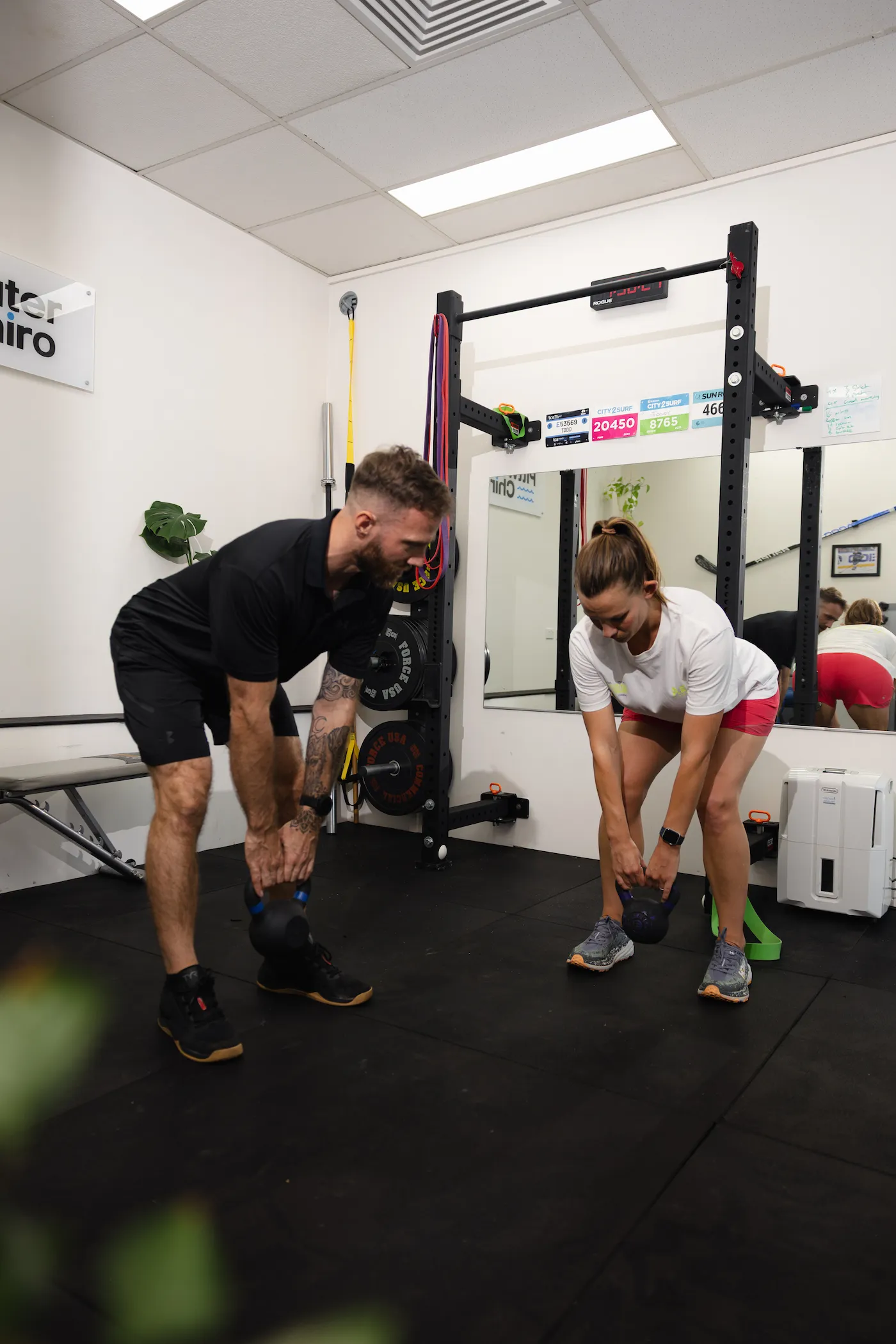
Extensive research supports resistance training as one of the most effective ways to maintain musculoskeletal health during and after menopause.
It can:
- Preserve and rebuild muscle mass
- Help maintain bone density and strength
- Improve tendon capacity and resilience
- Support joint function and mobility
- Improve physical function and confidence with movement
You don’t necessarily need to start by lifting heavy weights at the gym.
Progressive resistance exercise, whether that’s Pilates, resistance bands, bodyweight exercises or weights, can be beneficial when performed consistently.
For bone health specifically, progressively heavier resistance training and appropriate weight-bearing or impact exercise can offer additional benefits.
The key is finding an exercise program suited to your current capacity, symptoms and goals, and progressing it over time.
- Does menopause affect tendon healing and injury recovery?
My biggest advice is to be kind to yourself!
Your tissues may be responding to a different hormonal environment than they were 10 years ago.
Some women experience persistent tendon or joint symptoms during this stage of life, and changes in connective tissue biology may be one contributing factor.
However, recovery timelines vary considerably, and pain that persists shouldn’t automatically be attributed to menopause.
The right combination of assessment, progressive exercise and appropriate management can make a meaningful difference.
- When to seek help for joint pain during perimenopause and menopause
Perimenopausal and postmenopausal women may experience several musculoskeletal conditions that benefit from early assessment and appropriate management.
If you are experiencing:
- Shoulder stiffness or pain that is progressively worsening
- Persistent lateral hip pain, especially with walking or lying on your side
- Joint pain that seems widespread or migratory
- Bone pain or a fracture following minimal trauma
Please seek assessment.
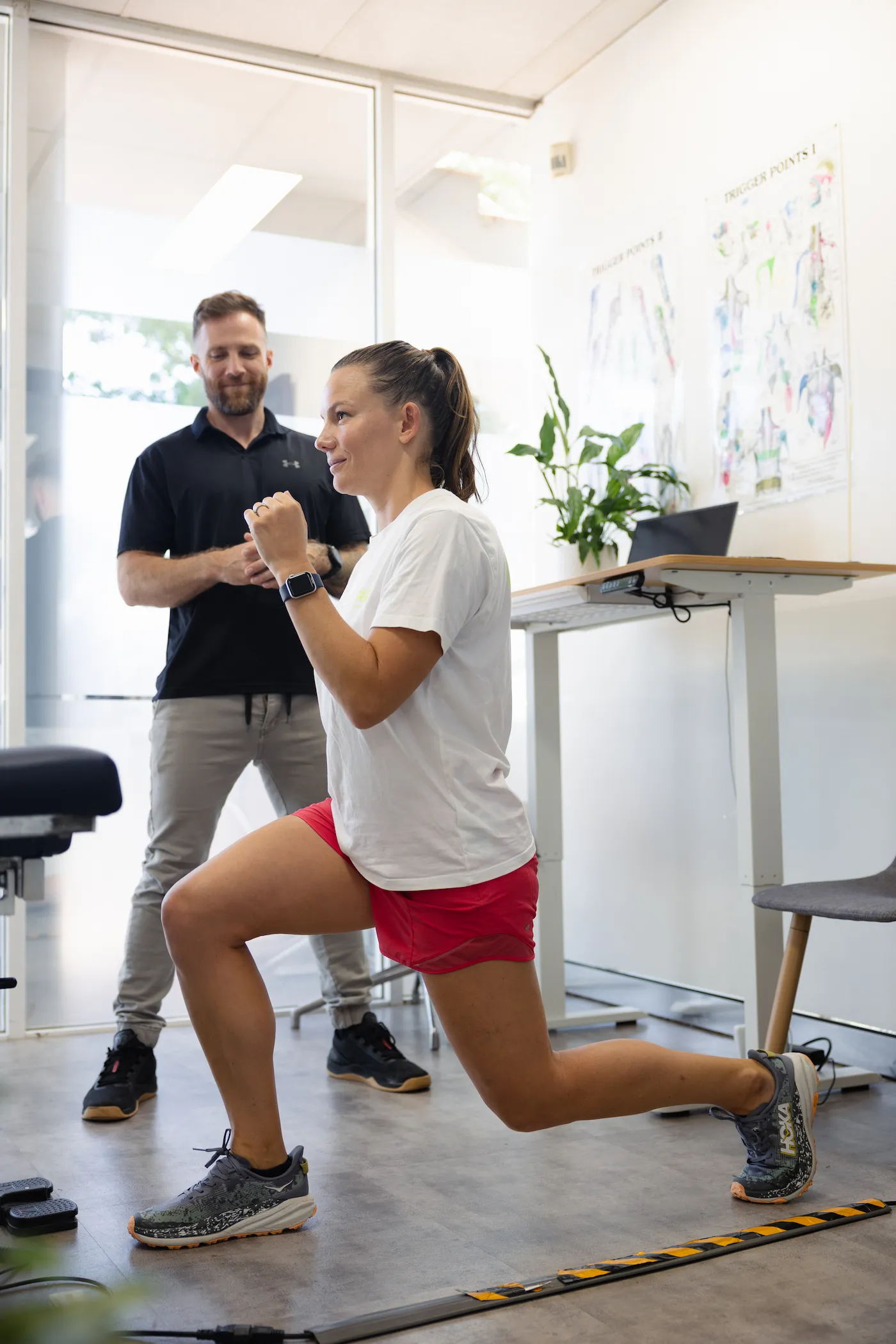
Conditions such as frozen shoulder and gluteal tendinopathy benefit from an accurate diagnosis and an appropriate rehabilitation plan.
Widespread joint pain may also require investigation to exclude inflammatory arthritis or other medical conditions, while fractures following minimal trauma warrant assessment of bone health.
- Can menopause hormone therapy (MHT) help joint and bone health?
Menopausal Hormone Therapy (MHT), previously commonly referred to as Hormone Replacement Therapy (HRT), is an important evidence-based treatment option for many women experiencing menopausal symptoms.
For appropriately selected women, particularly those under 60 or within 10 years of menopause, MHT can have a favourable benefit-risk profile.
Its benefits for preventing bone loss and reducing fracture risk are well established.
Emerging research is also investigating potential benefits for joint pain, tendon health and other musculoskeletal symptoms, although the evidence is not yet strong enough to recommend MHT specifically as a treatment for these conditions.
This is a conversation worth having with your GP, particularly if you are experiencing multiple musculoskeletal symptoms alongside other menopausal symptoms.
You deserve a healthcare team that looks at the whole picture.
- Nutrition and lifestyle tips for healthy bones and joints after menopause
Your body’s ability to maintain and repair musculoskeletal tissue is directly influenced by nutrition and lifestyle.
Ensuring you have adequate protein, calcium and vitamin D is particularly important for muscle and bone health.
Omega-3 fatty acids can also form part of a balanced diet, while managing stress, prioritising sleep and maintaining regular physical activity all contribute to overall health and recovery.
Small, consistent changes can make a meaningful difference over time.
Menopause and joint pain: how Pittwater Chiro can help
If you’ve been experiencing new joint pain, frozen shoulder, hip pain or persistent tendon problems during perimenopause or menopause, you’re not alone.
At Pittwater Chiro, we take a broader approach to musculoskeletal health, considering your symptoms, physical capacity, lifestyle and the factors that may be contributing to your pain.
Whether you need help understanding your symptoms, building strength or developing an individualised rehabilitation plan, we’re here to help guide you in the right direction.
Book an appointment with our team at Pittwater Chiro in Mona Vale or Balgowlah.
References
Wright, V. J., Schwartzman, J. D., Itinoche, R., & Wittstein, J. (2024). The musculoskeletal syndrome of menopause. Climacteric, 27(5), 466–472.
https://doi.org/10.1080/13697137.2024.2380363
Kruse, C., et al. (2026). Musculoskeletal Manifestations of Perimenopause: A Systematic Review and Meta-Analysis of 93,021 Women. JBJS Open Access, 11(1), e25.00254.
https://pmc.ncbi.nlm.nih.gov/articles/PMC12784006/
NSW Health, Agency for Clinical Innovation. Musculoskeletal Health — Menopause Care Clinician Toolkit.
https://aci.health.nsw.gov.au/projects/menopause/assessment-management/musculoskeletal
Royal Australian College of General Practitioners & Healthy Bones Australia. (2024). Guideline for osteoporosis management and fracture prevention in postmenopausal women and men over 50 years of age.
https://www.mja.com.au/journal/2025/222/9/2024-royal-australian-college-general-practitioners-and-healthy-bones-australia
The North American Menopause Society. (2022). The 2022 Hormone Therapy Position Statement. Available through the Australasian Menopause Society.
https://www.menopause.org.au/index.cfm/health-professionals/position-statements/nams-2022-hormone-therapy-position-statement/