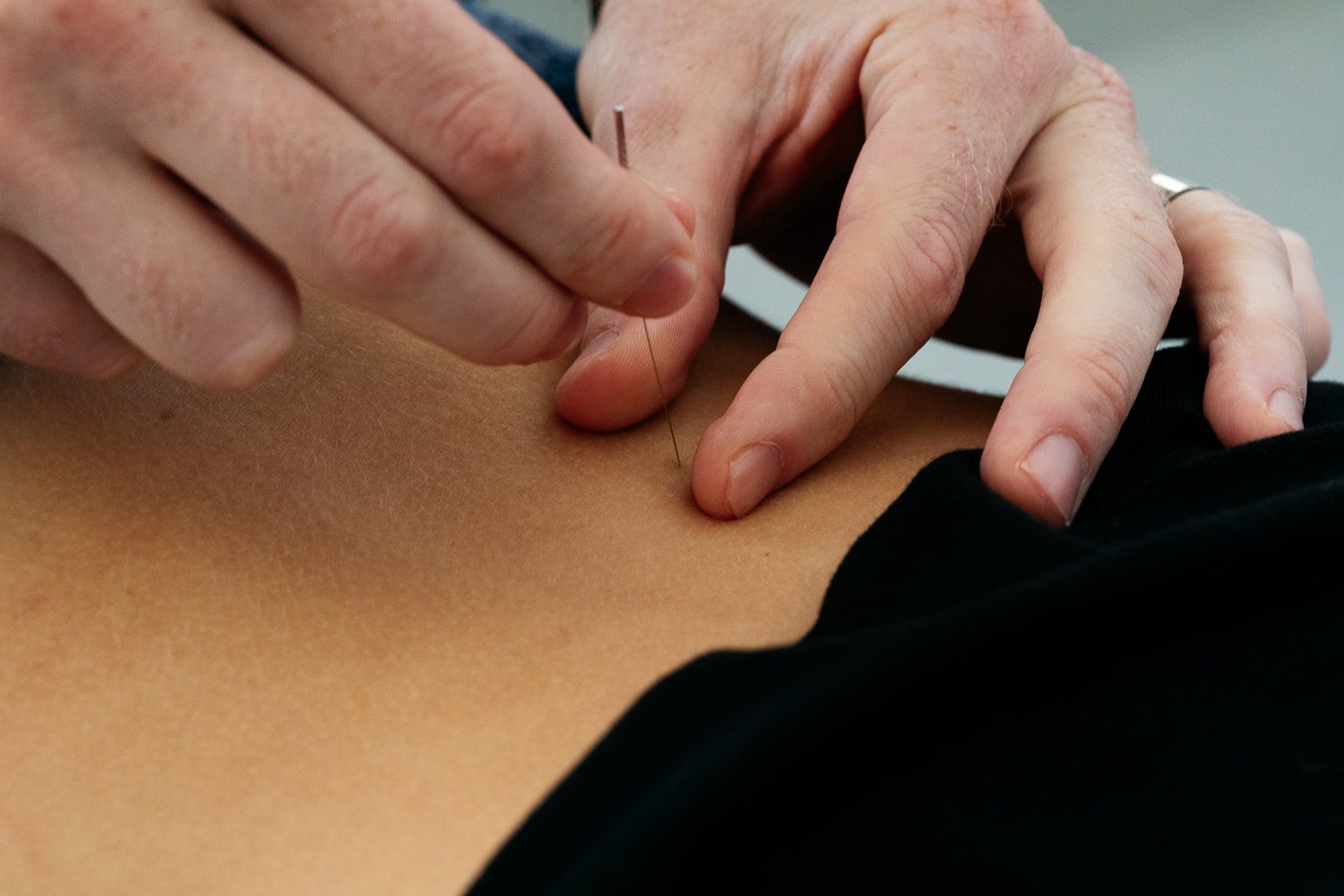
As a chiropractor working with active women weekly, I see the physical consequences of under-fuelling more than most people realise. Stress fractures that won’t heal. Recurring injuries that won’t resolve. Persistent fatigue that rest doesn’t fix.
These aren’t just training problems. They’re often signs of something much bigger = Relative Energy Deficiency in Sport (REDs).
What Is REDs?
RED-S (Relative Energy Deficiency in Sport) occurs when an athlete doesn’t consume enough energy to meet the combined demands of exercise and normal body function. Over time, this low energy availability can affect health, recovery and athletic performance.
This leaves your body without enough fuel to support both your performance and normal physiological function, so it starts shutting things down.
REDs don’t only affect elite athletes. It affects recreational runners, gym-goers, dancers, and active women who are simply trying to be healthy but have inadvertently created a chronic energy deficit.
Why does REDs happen?
Most athletes experiencing REDs aren’t intentionally restricting food. They’re:
- Training more without eating more
- Following restrictive dietary trends (low carb, intermittent fasting)
- Underestimating their actual energy needs
- Prioritising body composition over fuelling performance
- Simply too busy to eat enough
This is what makes REDs so insidious.
Energy availability is the amount of energy your body has left after accounting for exercise. Historically, around 45 kcal per kilogram of fat-free mass per day has been used as a reference for adequate energy availability, while levels around or below 30 kcal/kg FFM/day have been associated with physiological disruption in research. However, the 2023 IOC consensus emphasises that there is no single cut-off that determines whether an individual will develop RED-S — the amount of energy required varies between people.
In simple terms, energy availability is the amount of energy your body has left after exercise. For example, if someone has 60 kg of fat-free mass, optimal energy availability is around 45 calories per kilogram, which equals about 2,700 calories left over for the body each day. If that person burns 800 calories through exercise, they would need to eat roughly 3,500 calories that day to maintain that level. Once energy availability drops toward 30 calories per kilogram of fat-free mass — around 1,800 calories left over in this example — the body may start struggling to adequately support things like hormones, bone health, recovery, immunity and normal metabolic function.
How do you know if you have REDs?
The 2023 IOC consensus statement significantly expanded our understanding of REDs – moving far beyond the original “Female Athlete Triad” to recognise a much broader spectrum of consequences.
Signs to watch for:
Physical:
- Irregular or absent periods (your period is a vital sign – not “normal” to lose it with training)
- Stress fractures occurring with minimal trauma or slow to heal
- Recurring soft tissue injuries that won’t respond to treatment
- Persistent fatigue that doesn’t resolve with rest
- Getting sick frequently
Performance:
- Plateau or decline despite consistent training
- Slower recovery than expected
- Reduced strength and endurance
Psychological:
- Mood changes, irritability, depression
- Loss of motivation
- Impaired concentration
The menstrual cycle is particularly important. Hormonal disruption is one of the earliest and most reliable indicators of REDs – and the bone health consequences of prolonged hormonal suppression can be irreversible, particularly in younger athletes.
What can help with REDs?
REDs requires a multidisciplinary approach:
- Increase energy availability: The non-negotiable first step. Work with a sports dietitian who understands athlete nutrition to restore adequate fuelling.
- Modify training: Reduce volume and intensity while energy availability is restored – not stopping completely, but significantly pulling back.
- Get the right team around you:
Sports physician (medical and hormonal assessment)
Sports dietitian (nutritional rehabilitation)
Psychologist (if disordered eating or body image concerns)
Chiropractor/physiotherapist (injury management and exercise prescription) - Protect your bones: Adequate calcium (1000-1300mg daily), optimise vitamin D levels and maintain safe weight-bearing exercise.
- Monitor and be patient: REDs recovery is measured in months, not weeks. Regular follow-up with your healthcare team is essential.
REDs is not a niche problem for elite athletes. It’s a real, clinically significant condition that I encounter regularly in active people of all levels. Please seek assessment from a sports medicine physician or healthcare practitioner familiar with REDs. Early intervention dramatically improves outcomes.