Most people will experience some form of body insecurity at some point in their lives, and for some, it can run deeper, into patterns like body dysmorphia. So it’s no surprise that exercise often becomes tied to how we look. But if your only reason to exercise is how your body looks, motivation will come and go.
But if your reason is:
- feeling better
- moving better
- living better
That’s something you can come back to every single day.
So here are 99 reasons to exercise… and none of them have anything to do with body image.
Why exercise matters more than ever
Mental Benefits of Exercise
- Better sleep quality, not just more sleep
- More energy without relying on caffeine
- Lower baseline stress levels
- Natural dopamine release that actually lifts your mood
- Clearer thinking and faster decision-making
- Reduced anxiety through movement acting as a physical outlet
- Lower risk of cognitive decline and Alzheimer’s
- More stable hormones, including better mood regulation
- A calmer nervous system so your body isn’t constantly in fight-or-flight
- Sharper focus without brain fog
- Getting out of that sluggish, unmotivated feeling
- Boosting creativity, movement has been shown to improve idea generation and problem solving
- Rebuilding trust in your body after pain or injury
- Feeling in control instead of fragile
- Improving your tolerance to discomfort instead of avoiding it
- Processing emotions through movement
- Feeling mentally lighter after moving your body
- Improved cognitive performance under pressure
- Not bottling things up physically or mentally
- Self-respect from doing what you said you would
- Proving to yourself you can do hard things
- That post-exercise “I feel good” feeling
- Feeling more comfortable and at ease in your body
- Less fear of doing everyday movements like bending or lifting
- Feeling like yourself again
Physical Benefits of Exercise
- Stronger bones, lowering risk of fractures later in life
- Healthier joints that tolerate load without flaring up
- Less stiffness from sitting all day
- Less day-to-day pain
- Lower risk of common injuries
- Posture that holds without overthinking it
- Better balance, reducing fall risk
- Improved coordination in real-life movement
- More flexibility without forcing stretches
- Better mobility so joints move how they’re meant to
- Stronger core so your spine isn’t taking all the load
- Spinal support that reduces recurring flare-ups
- Lower risk of heart disease
- Increased lung capacity so you don’t get puffed easily
- Better circulation, delivering oxygen where it’s needed
- Improved digestion through better gut motility
- Stronger immune response when you do get sick
- Reduced chronic inflammation in the body
- Better blood sugar control, reducing diabetes risk
- Reduced risk of multiple chronic diseases at once
- Building strength that carries into everyday life
- Improved endurance so you don’t fatigue as quickly
- Building muscle that supports your metabolism and daily function
- Improving joint control so movements feel smoother and safer
- Less back pain long-term
- Less neck and shoulder tension
- Fewer tension headaches
- Improved sexual function
- Breathing patterns that reduce tension in your body
- Awareness of how your body actually moves
- Moving better without thinking about it
- Less built-up muscle tension
- Not constantly feeling tight
- Building a body that can handle load
- Recovering quicker when something does flare up
- Better performance in sport or training
- Strength that holds even when you’re tired
- Moving without bracing or guarding every movement
- Being able to handle awkward or unexpected movements without injury
- Faster reactions, reducing risk of sudden injury
- Better digestive regularity due to increased abdominal pressure changes and gut movement during physical activity
Lifestyle Benefits of Exercise
- Maintaining independence as you age
- Feeling physically capable in your own body
- Moving without overthinking every step
- Discipline that transfers into work and life
- Structure that makes your day feel more grounded
- Time that’s just yours
- A healthy outlet instead of bottling stress up
- Social connection if you train with others
- Getting outside more often
- Fresh air instead of being indoors all day
- Sunlight, supporting vitamin D and mood
- Breaking up long periods of sitting (huge for your spine)
- Preventing small issues from turning into chronic problems
- Making your treatment results actually last longer
- Less reliance on passive treatments alone
- Carrying groceries without strain
- Lifting things without fear of injury
- Keeping up with your kids without holding back
- Walking long distances comfortably
- Being able to go on hikes without paying for it later
- Travelling without your body limiting you
- Sitting without constantly shifting in discomfort
- Standing longer without your back complaining
- Moving freely instead of feeling restricted
- Showing up for yourself consistently
- Acting as a catalyst for other healthy habits (sleep, nutrition, routine)
- Building momentum instead of starting over
- Investing in your future health
- Preventing issues before they start
- Better overall quality of life
- Enjoying normal daily activities more
- Being more present in your life
- Having the energy to do more of what you enjoy
Final thoughts
On a personal note, my relationship with exercise hasn’t always been perfect. When I was younger, I was motivated by getting stronger and performing better in sport. As I got older, that shifted, exercise became less about how I felt and more about appearance, which didn’t create a particularly healthy relationship with my body.
Over time, I realised how much body weight and appearance can naturally fluctuate, and how unhelpful it was to be hard on myself during those times. It would only affect my mood, my motivation, and ultimately make it harder to stay consistent.
When I shifted my focus back to things like strength, mental clarity, and how exercise made me feel day-to-day, it became much easier to build a routine that actually stuck. It took the pressure off, and made movement something I wanted to do, not something I felt I had to do.
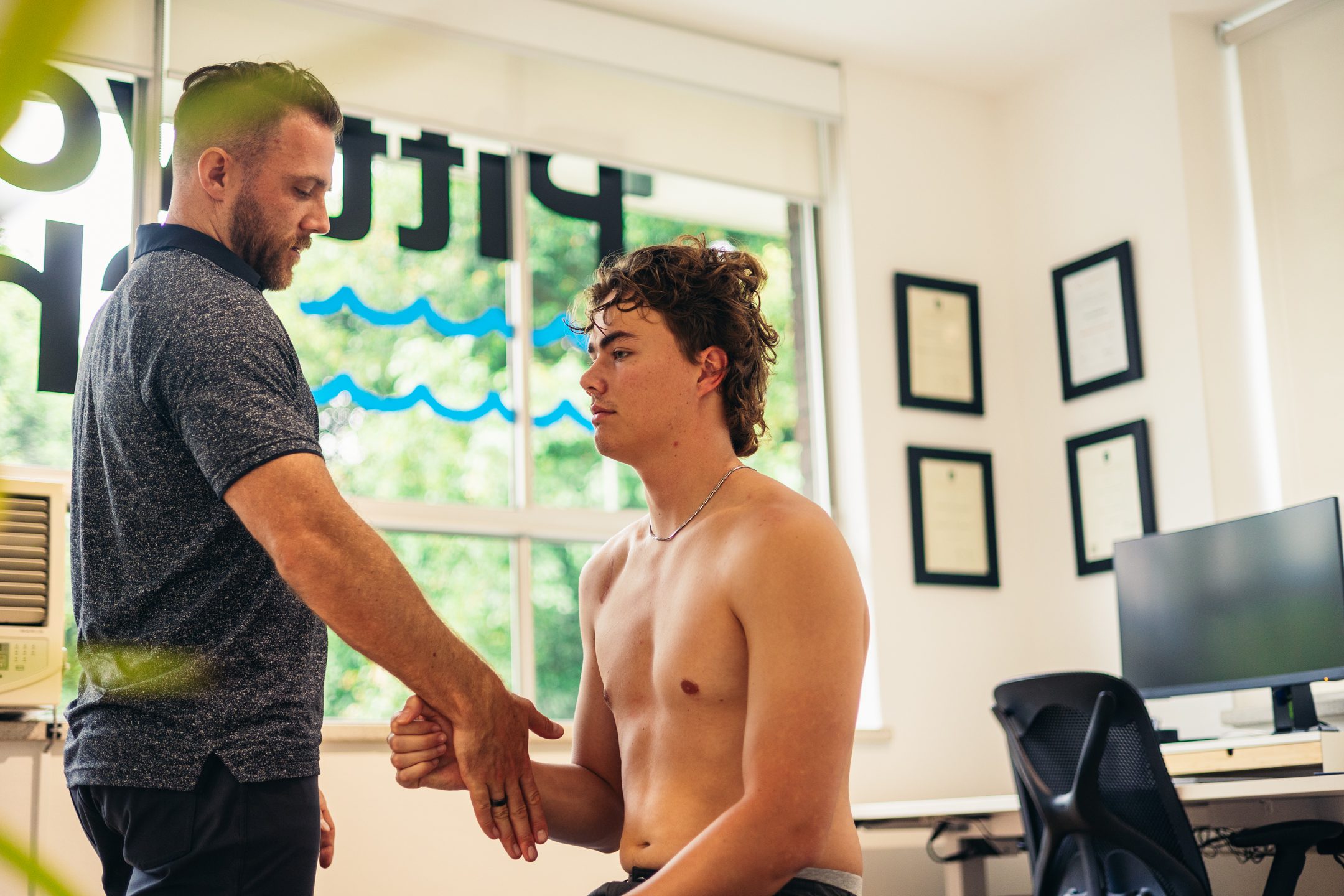
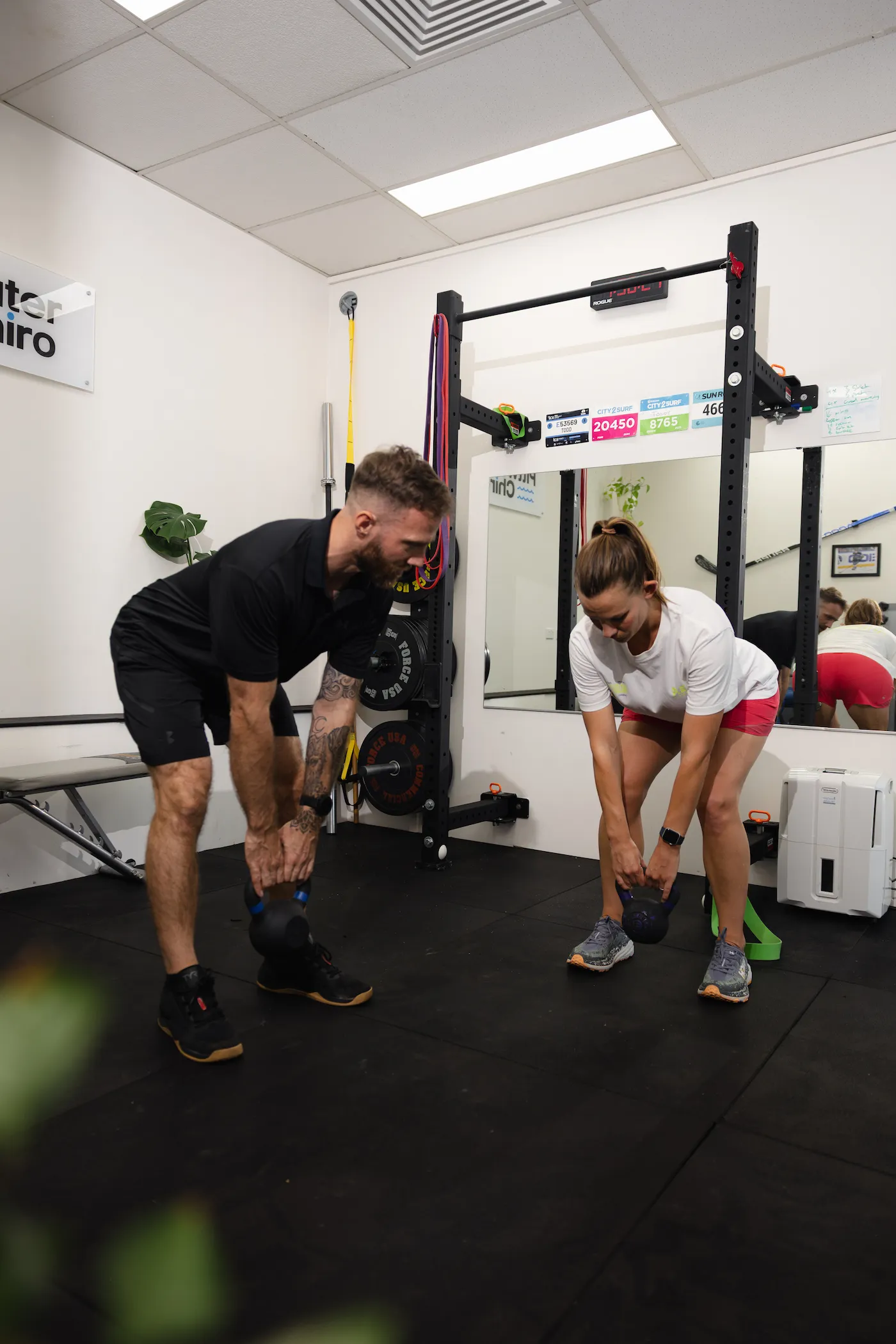
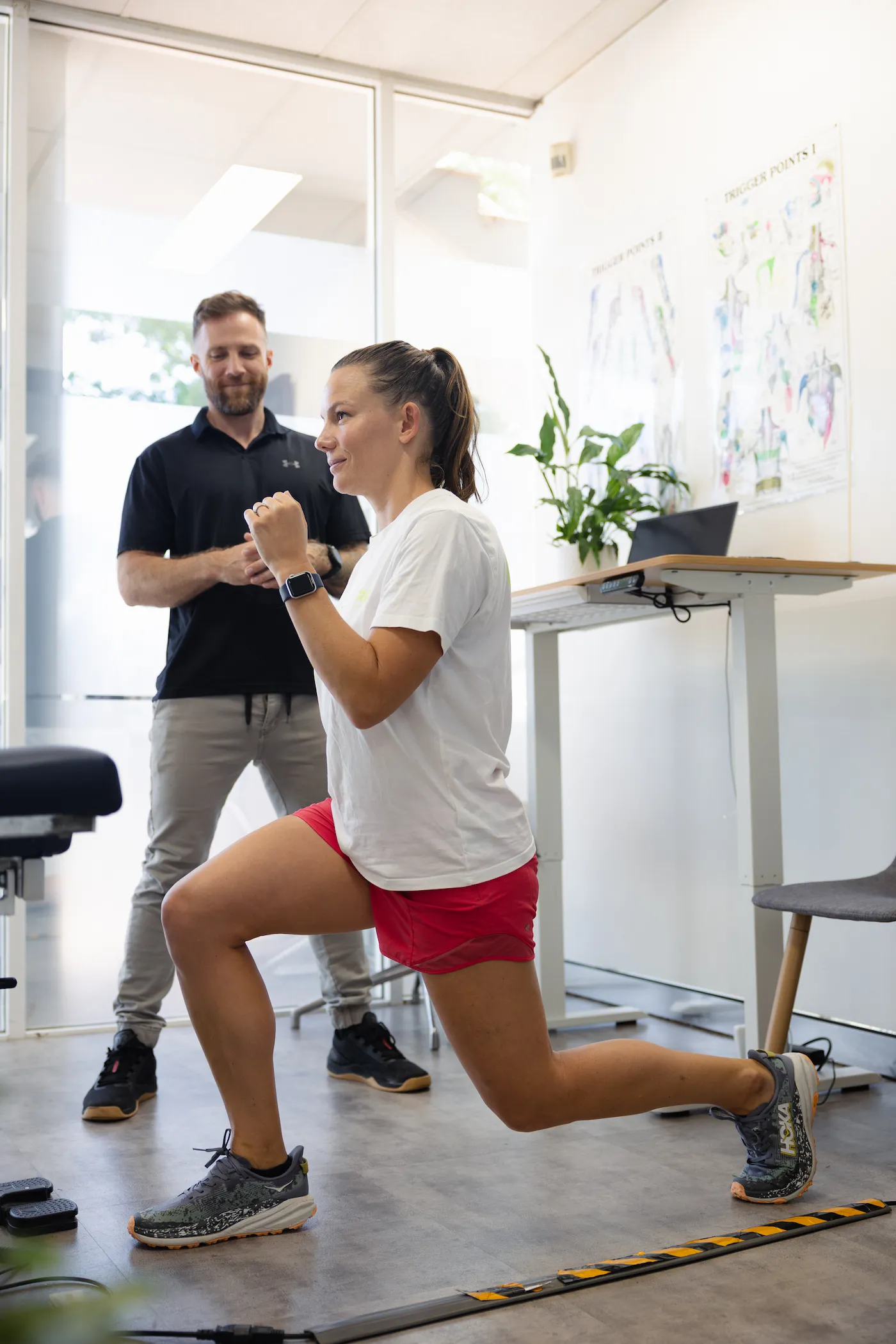
As a chiropractor, I see this every day. Bodies aren’t designed to sit still. If exercise could be put into a pill, it would be one of the most revolutionary treatments in medicine. The truth is, your GP, chiropractor, or physiotherapist alone can’t replace exercise and the wide range of benefits it provides.
Exercise isn’t punishment.
It’s one of the best forms of self-care you can give your body.
If you feel guilty about how you’ve treated your body, or feel like you’ve neglected it, don’t. Even if you’re in pain, feeling weak, or not where you want to be, your body is still working for you. Your heart is still beating and your lungs are still breathing. It hasn’t given up on you, so don’t give up on it. Start by appreciating what it is doing right now, then gradually begin to challenge it with the right kind of stress through exercise. You may be surprised by what it is capable of when you give it what it needs.
At Pittwater Chiro, we help patients across Mona Vale and Balgowlah build stronger, more resilient bodies through movement, chiropractic care and rehabilitation.