
Dry Needling: What is it and how can it help?
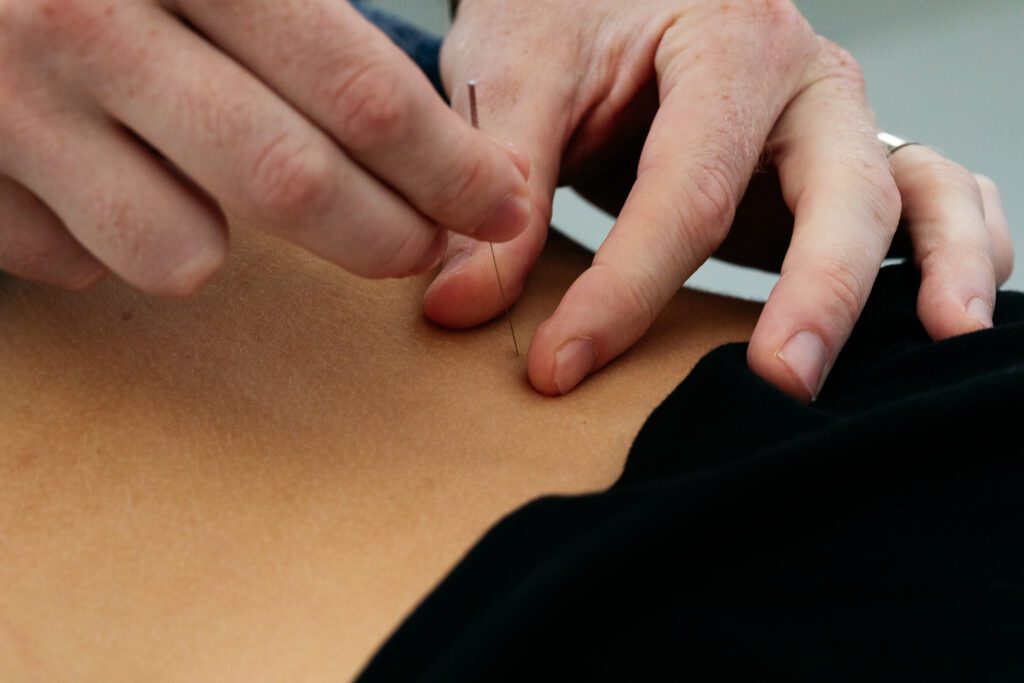
One of the questions I get asked most in clinic is, “What exactly is dry needling?” For many people, the thought of needles can sound intimidating, but once they understand how it works and experience the benefits, it’s often one of their favourite treatments. It involves inserting a fine, sterile, single-use needle into tight muscles or myofascial trigger points; which are those stubborn “muscle knots” that can develop after injury, repetitive movements, poor posture, or even stress. How does dry needling work? One of the most interesting parts of dry needling is something called a local twitch response. When the needle reaches a trigger point, it may cause a brief, involuntary contraction of a small group of muscle fibres. This happens because the needle stimulates sensitive nerve endings and muscle fibres within the trigger point, creating a reflex through the spinal cord. It’s not something you can control, and not every muscle will twitch. Patients often ask me whether the twitch means the treatment is “working.” While a twitch can be a really positive sign that we’ve targeted an irritable trigger point, it isn’t essential for dry needling to be effective. The twitch itself doesn’t relax the muscle. Instead, it’s thought to help interrupt the abnormal cycle of sustained muscle contraction that occurs within a trigger point. Following this response: Contracted muscle fibres can return closer to their normal resting length. Local blood flow improves, delivering oxygen and nutrients while helping remove metabolic waste. Pain-producing chemicals within the muscle are reduced. The muscle often relaxes, resulting in less pain and improved movement. Beyond the twitch response, dry needling also influences how the nervous system processes pain. This is one of the reasons many patients notice they can move more freely or comfortably following treatment. What are the benefits of dry needling? While every patient responds differently, some of the most common benefits I see in clinic include: Reduced muscle tightness and pain. Improved flexibility and range of motion. Reduced muscle spasms. Better muscle function and movement. Faster recovery after training or injury. Relief from tension headaches and certain types of neck pain. Improved outcomes when combined with chiropractic adjustments, soft tissue therapy, and rehabilitation exercises. Dry needling isn’t a “quick fix,” but when it’s used as part of a comprehensive treatment plan, it can be an incredibly effective tool for helping people move and feel better. Who can benefit? I commonly use dry needling with patients experiencing: Neck and back pain. Shoulder pain and restricted movement. Hip and gluteal pain. Sports injuries. Muscle strains. Tennis or golfer’s elbow. Jaw muscle tension (TMJ-related pain). Tension headaches and cervicogenic headaches. Persistent muscle tightness and trigger points. Reduced mobility caused by muscular stiffness. Whether you’re an office worker with tight shoulders, a runner with stubborn calf tightness, a swimmer with posterior shoulder tension, or simply someone dealing with ongoing muscular pain, dry needling may be an appropriate addition to your treatment plan. Is dry needling safe? Dry needling is considered a safe procedure when performed by a trained healthcare professional using sterile, single-use needles. Before treatment, I always take a thorough health history to make sure it’s appropriate for you. Contraindications Dry needling isn’t suitable in some situations, including: Over areas of active infection, open wounds, or compromised skin. In areas affected by active lymphoedema. Severe needle phobia that makes treatment unsafe. Certain medical conditions that require urgent medical management. Precautions Additional care may be required if you: What should I expect afterwards? It’s completely normal to feel some muscle soreness after dry needling. Many people describe it as feeling similar to the soreness you get after a workout. This usually settles within 24 to 48 hours. Some patients feel immediate relief after treatment, while others notice gradual improvement over the following day or two. Everyone responds a little differently, depending on the condition being treated. To help you get the most out of your treatment, I usually recommend: If you experience severe pain, increasing swelling, chest pain, difficulty breathing, fever, or any symptoms that concern you after treatment, seek medical attention promptly and let your practitioner know. My approach to Dry Needling I don’t see dry needling as a stand-alone treatment. While it can be incredibly effective at reducing muscle tension and pain, the best long-term results come from identifying why the problem developed in the first place. That’s why I often combine dry needling with chiropractic adjustments, soft tissue therapy, mobility work, strengthening exercises, and advice tailored to your lifestyle and goals. My aim isn’t just to help you feel better for a day, it’s to help you move better, recover well, and stay doing the activities you enjoy.
Understanding Plantar Fasciitis

Plantar fasciitis is one of the most common causes of heel pain, affecting individuals of all activity levels, from top athletes to weekend warriors. This condition results from stress and microtears in the plantar fascia, a thick band of tissue supporting the foot arch. Understanding its causes, symptoms, and treatment options can help individuals manage pain effectively and prevent further complications. What is Plantar Fasciitis? Plantar fasciitis is a degenerative rather than an inflammatory one, often called plantar fasciopathy. It develops due to repetitive strain or overuse, leading to microtears in the plantar fascia, causing pain and stiffness. Despite its association with inflammation, research suggests that plantar fasciitis is primarily a degenerative disorder. Causes and Risk Factors of Plantar Fasciitis Several factors contribute to the development of plantar fasciitis, including: Symptoms of Plantar Fasciitis The hallmark symptom of plantar fasciitis is sharp, stabbing pain in the heel, particularly: Diagnosis is primarily based on clinical evaluation, including a physical exam and assessment of symptoms. In persistent cases, imaging techniques such as ultrasound or MRI may be used to rule out other conditions. Treatment Options Most cases of plantar fasciitis can be successfully managed with conservative treatments. Here are the most effective strategies: Nonsurgical Treatments 1. Rest and Activity Modification: Reducing activities that stress the plantar fascia helps alleviate symptoms. This is recommended in the early stages of plantar fasciitis, and as your treatment plan progresses, it’s recommended to gradually re-load the plantar fascia to rebuild tolerance to your favoured activities. 2. Weight loss: Research suggests that obesity is a significant risk factor for developing plantar fasciitis, as it contributes to increased foot pressure and biomechanical imbalances. By losing weight, individuals can reduce the strain on their feet, leading to less pain and improved healing. 3. Stretching and Strengthening Exercises: Targeted exercises will aim to improve the flexibility of the ankle and foot and strength of the muscles and tendons surrounding the plantar fascia. This will reduce strain on the fascia and lead to better long-term outcomes. When you book an appointment with us, tailored exercises will be provided to ensure you are effectively loading the correct areas. 4. Orthotic Devices and Taping: Custom or off-the-shelf arch supports and heel cups can provide cushioning and support. Contoured insoles and taping techniques provide short-term relief and improved function. 5. Night Splints: Wearing splints overnight helps maintain foot dorsiflexion, reducing morning pain. There is strong evidence to suggest night splints are useful for the treatment of chronic plantar fasciitis. 6. Medications: Nonsteroidal anti-inflammatory drugs (NSAIDs) can help manage pain in the initial stages of this condition. It is not recommended to use NSAIDs for long-term management. 7. Manual Therapy: Techniques such as shock wave therapy and therapeutic ultrasound can aid in recovery. Additionally, manual therapy performed by a chiropractor can improve joint mobility at the ankle and surrounding regions, which may assist in the management and relief of plantar fasciitis. 8. Injections Corticosteroid or platelet-rich plasma (PRP) injections can provide pain relief in stubborn cases. In rare and more chronic cases, surgery may be required to release tension in the fascia, however, this is generally only recommended once more conservative approaches have failed. Plantar fasciitis is a prevalent and often painful condition, but with proper treatment, most individuals experience significant improvement. Approximately 90% of cases respond well to conservative management. Addressing biomechanical factors, incorporating stretching and strengthening exercises, and using supportive devices can help prevent recurrence. For stubborn cases, more advanced treatments are available to restore mobility and alleviate pain effectively. By understanding the degenerative nature of plantar fasciitis and tailoring treatment approaches to individual needs, long-term relief is achievable. If you’re struggling with persistent heel pain, consult one of our chiropractors for a comprehensive treatment plan. Book a consultation today! References
