
Rethinking core training: more than planks and crunches
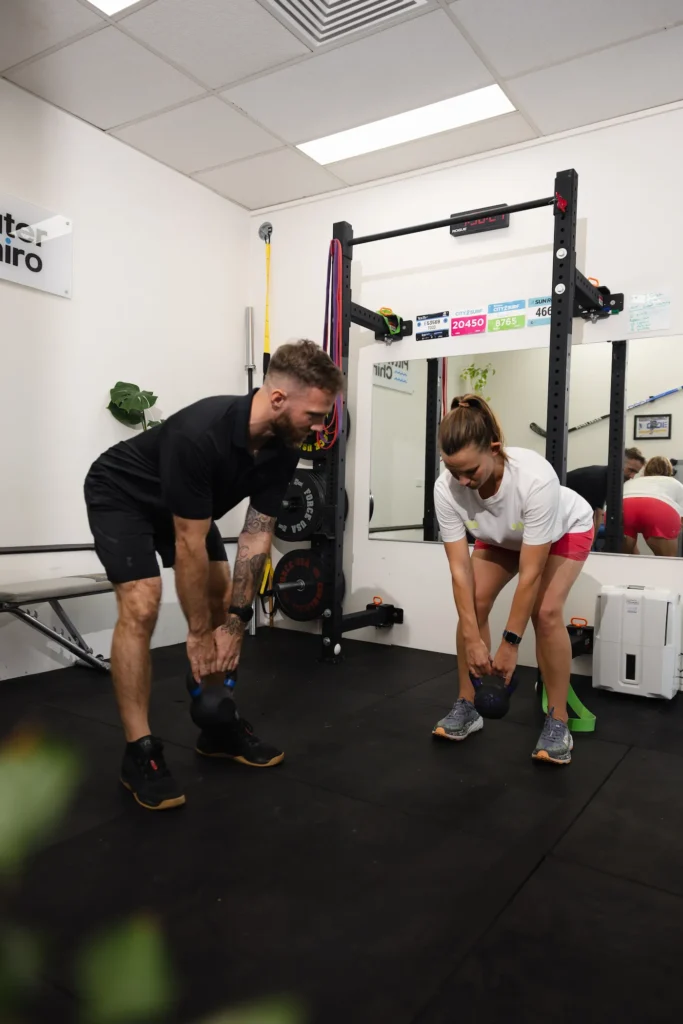
“Strengthen your core” is advice we hear everywhere, but why is core strength important, and what does having a strong core actually mean? Core strength is often associated with visible abdominal muscles or being able to hold a plank for a long time. In reality, your core plays a much broader role. The muscles of your trunk help create stability around the spine and pelvis, allowing your body to control movement, transfer force, and respond to the physical demands of everyday life, exercise and sport. What is your core and what does it do? Your core is not just your abs. It is a group of muscles that work together, connecting your pelvis to your lower ribs like a muscular cylinder. It includes your abdominal muscles, diaphragm, quadratus lumborum, erector spinae, pelvic floor and other smaller muscles surrounding your spine and pelvis. These muscles work together to control the position and movement of the trunk, particularly when the arms and legs are moving. When you pick up a heavy object, your arms and legs do most of the work. The core muscles, however, must maintain the stability of the torso to transfer the force. This is one of the main functions of the core. Core strength and spinal stability The spine is designed to move. Spinal stability does not mean keeping your spine completely still or maintaining one “perfect” posture. Instead, stability is the ability to control movement and resist unwanted movement when a force is applied. Your spine is supported by passive structures such as bones, joints, discs, and ligaments, as well as active muscular support and the nervous system. Your muscles don’t simply switch on to “hold your spine in place”. They constantly adjust their activity depending on what you are doing. For example, carrying a heavy bag on your left side creates a force that could pull your trunk towards the bag. Your nervous system responds by activating the muscles on the right side of your body to contract, maintaining a straight spine. The same principle applies when you run, jump, lift, reach or rotate. Good core function therefore isn’t about being rigid. It is about being able to control movement while still allowing movement to occur. Why is core strength important? A strong and well-coordinated core can help you: What does core strength actually look like? It isn’t necessarily the person who can hold a plank for five minutes. Core strength is task-specific. Someone might have excellent endurance in a plank but struggle to maintain control when carrying a heavy object, rotating or moving quickly. This is why core training shouldn’t be limited to exercises performed on the floor. My perspective on core training has changed When I was younger, I definitely thought core strength was mostly about doing crunches, planks and trying to get visible abs. There is absolutely nothing wrong with that. I still love a good mat Pilates class, and there is something very satisfying about a set of abdominal exercises that leaves your core burning. But as I’ve learned more about movement, I’ve become much more interested in how we use our core outside of those traditional exercises. Now, I tend to focus more on functional core strength and the ability to maintain control while the rest of the body is moving. That might look like balancing on one leg while reaching in different directions, performing a single-leg squat, carrying a weight on one side of the body, doing an exercise with an unstable base of support, or controlling a movement where the arms or legs are moving independently. Even something as simple as standing on one leg while rotating your upper body challenges your ability to control your trunk while your centre of mass changes. Other examples include: These exercises don’t necessarily look like traditional “ab exercises”, but your core is working throughout them. Do you need to brace your core all the time? No. There is a time and place for bracing, particularly when lifting heavy loads or performing a movement where you need a high level of trunk stiffness. But maintaining a maximal abdominal brace throughout the day is not the goal of good core function. Your trunk needs to be able to adapt. When you walk, breathe, reach overhead, rotate or sit down, your muscles are constantly changing their level of activity. Stability comes from this ability to respond to changing demands, not from keeping everything switched on at maximum effort. How to improve your core strength? Start by considering what you actually need your core to do. If your goal is general strength, exercises such as dead bugs, side planks, carries, squats, deadlifts and controlled rotational movements can all be useful. From there, you can gradually make the challenge more functional by introducing single-limb exercises, changes in balance, external loads, different positions or movements that require your trunk to respond while your arms and legs move. The key is progressive overload. Just like any other muscle group, your core needs an appropriate challenge to become stronger. This could mean increasing resistance, repetitions, range of motion, exercise complexity or the amount of time you can maintain good control. You also don’t need to train your core every day. Your trunk is already working during many of the exercises you perform throughout the week. Core strength: the bigger picture Core strength is not about creating a rigid spine or achieving a perfect posture. It is about having enough strength, endurance and coordination to control your trunk while allowing the rest of your body to move. A strong core gives you a better foundation for everyday activities, exercise and sport. More importantly, it allows your body to respond to different loads and movements rather than relying on one fixed position. The goal isn’t to stop your spine from moving. The goal is to give it the capacity and control to move well.
The benefits of being barefoot

When I first started spending more time barefoot, I actually found it uncomfortable. I remember feeling every small rock. If I’m honest, there was a bit of a mental block, too. It felt unfamiliar after years of wearing cushioned shoes. Over time, though, my perspective shifted. Instead of seeing that small rock as irritating, I realised it was valuable information. The soles of our feet contain a high density of sensory receptors that constantly communicate with the brain about balance, pressure and movement. When we spend most of our day in heavily cushioned footwear, that feedback becomes reduced. Gradually reintroducing barefoot time felt like “waking up” those pathways again. For me personally, once I moved past that initial unfamiliar feeling, barefoot walking started to feel natural and even grounding. Why Foot Function Matters Each foot contains 26 bones, multiple joints, and a complex network of muscles and connective tissue known as fascia. Together, they form a dynamic system designed to absorb load, store energy and provide stability during movement. When this system does not move well, whether due to stiffness, weakness or over-reliance on external support, other areas of the body often compensate. Over time, this can contribute to discomfort or overload higher up the chain. Benefits of spending time barefoot Improved intrinsic foot strength Going barefoot encourages the smaller stabilising muscles of the foot to work more actively. These muscles help support the arch and control how the foot interacts with the ground. Rather than forcing the arch into a certain position, barefoot walking allows the foot to develop strength and control through natural loading. Try this for a quick comparison. Move your fingers individually, then try to move your toes the same way. Many people are surprised by how little awareness or control they initially have. But don’t worry, with practice, this can quickly improve. Enhanced sensory feedback and balance The soles of the feet contain a high concentration of sensory receptors. Walking barefoot, particularly on variable surfaces such as sand, increases feedback to the nervous system. This can improve balance, coordination and overall body awareness. One of the biggest changes, I noticed was how much more control I had over my feet than I initially realised. Simple things like spreading my toes, gripping the ground slightly, or adjusting my balance became easier with practice. I have also seen similar changes with patients recovering from lower limb injuries or recurring foot discomfort. Once they progress to appropriate barefoot exposure on safe surfaces like sand or grass, many report feeling more stable and more connected to how their feet move. The key is always gradual exposure and listening to the body rather than forcing change. Healthier load distribution through the arch The arch of the foot is designed to adapt rather than remain rigid. Softer surfaces like sand allow the arch and surrounding fascia to gradually load and unload, helping the foot behave more like a spring during movement. Is barefoot right for everyone? Barefoot time is not appropriate for everyone in all situations. People with existing foot conditions, nerve sensitivity or acute pain may require additional support, particularly during higher load activities. Problems tend to occur when barefoot exposure is introduced too quickly or done for long periods on hard surfaces without allowing tissues time to adapt. How to introduce barefoot safely If you are considering adding barefoot walking into your routine, start on soft and forgiving surfaces such as sand or grass. Keep initial walks short and gradually increase exposure over time. Allow the foot to adapt naturally rather than forcing posture or arch position. Mild muscular fatigue can be normal early on, but sharp or ongoing pain should not be ignored. Final thoughts Your feet form the foundation of your movement system. Giving them the opportunity to sense and adapt to the ground, whether through a short barefoot walk along the beach or time spent on grass, can support better strength, balance and movement quality. If you are experiencing foot, knee, hip or back discomfort, or are unsure whether barefoot activity is appropriate for you, a tailored assessment can help determine the best approach for your body. If this is you, then book online. By Megan Desjardins (B.Sc (HK), M. Chiropractic)
Everything you need to know about ankle sprains

Ankle sprains are one of the most common injuries, affecting athletes, weekend warriors, and anyone who missteps on uneven ground. Despite their prevalence, many people don’t fully understand how to treat and prevent ankle sprains, leading to prolonged recovery, re-injuring or spraining of the ankle, and other chronic issues. This blog post will help you understand the causes, treatment, and prevention of ankle sprains based on recent research and best practices. What is an ankle sprain? An ankle sprain occurs when the ligaments supporting the ankle joint are stretched or torn, usually due to excessive twisting or rolling of the ankle. The lateral ankle ligaments (on the outside of the joint) are most commonly affected. There are three grades of sprains: What causes ankle sprains? According to research ankle sprains often occur during activities involving sudden changes in direction, landing on uneven surfaces, or overuse during repetitive activities. Risk factors include: The long-term impacts of ankle sprains Chronic ankle instability is a common consequence of poorly managed ankle sprains. Chronic ankle instability can be the result of repeated injuries or insufficient rehabilitation, leading to reduced balance and strength, which increases the risk of future sprains. Research shows that a lack of neuromuscular training post-sprain often contributes to chronic ankle instability. Treatment: best practices for recovery Immediate care for ankle sprains focuses on the R.I.C.E. method: However, modern research suggests that early mobilisation is critical for recovery. Functional rehabilitation, including controlled movement and strength exercises, can significantly reduce recovery time and improve outcomes. A new acronym is becoming more widely used and accepted for these types of injuries, called P.E.A.C.E & L.O.V.E & Preventing Ankle Sprains Preventative strategies focus on strengthening the ankle joint, improving proprioception, and wearing proper footwear. Evidence highlights the importance of neuromuscular training, including balance exercises, plyometrics, and dynamic stability drills. Additional tips Final Thoughts Ankle sprains may seem minor, but they can lead to long-term issues without proper care. By understanding the causes, following evidence-based treatments, and incorporating preventive exercises, you can reduce your risk of injury and stay active. If you’re dealing with an ankle sprain or chronic ankle instability, book in with one of our chiropractors and we can assist you with a personalised rehab plan. References
How neck pain can be improved with chiropractic treatment

Chiropractic care is a proven, drug-free method for relieving neck pain and improving function. By using spinal manipulation, manual therapy, and instrumental techniques, chiropractors help reduce pain and restore mobility. Learn more about how these treatments can offer effective relief from both acute and chronic neck pain.
The Bucket Analogy: How we can understand and prevent injuries

When aches, pains, or injuries seem to appear out of nowhere, understanding and managing stress is key. Using the bucket analogy, we can visualize our capacity for handling physical, psychological, and environmental stressors. This blog explores what fills our bucket, the risks of overflow, and practical strategies to empty it, promoting better health, performance, and injury prevention.
I’ve torn my ACL, now what?
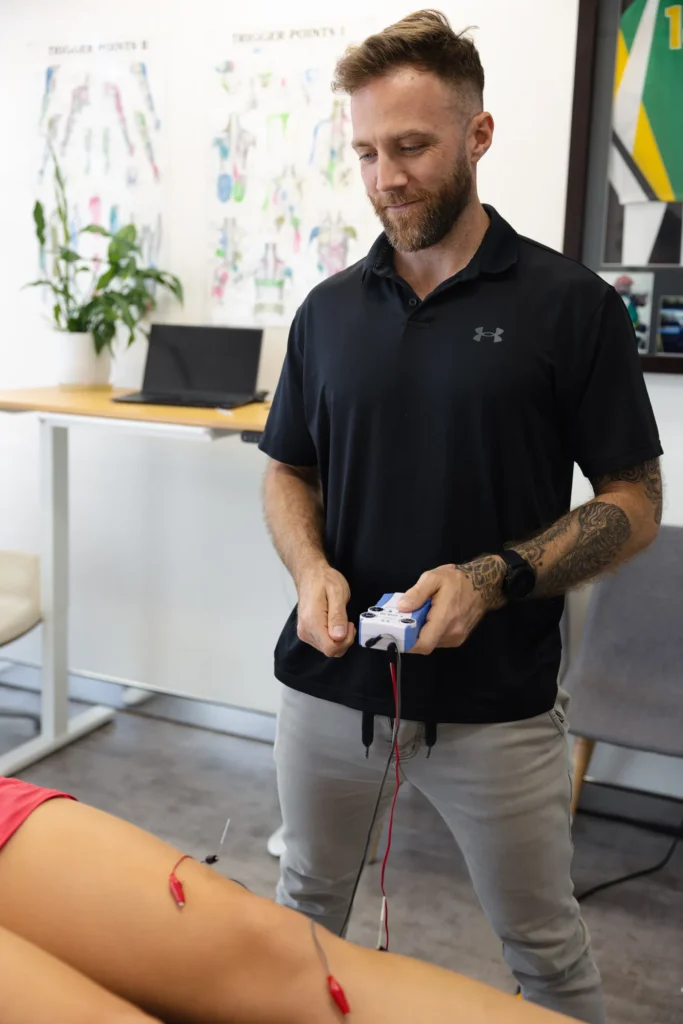
In the realm of sports injuries, few are as feared and common as a torn anterior cruciate ligament (ACL). The ACL is a ligament that connects your thigh bone (femur) to your shin bone (tibia). This can tear when you stop quickly, change director or with jumping. Whether you’re an athlete or simply someone who enjoys an active lifestyle, an ACL tear can be a major setback. But luckily, there are a few different options to send you on the path of ACL recovery. Surgery vs conservative care For a long time, it has been believed that the ACL has a poorer rate of spontaneous recovery, subsequently making it one of the most common orthopaedic surgeries performed worldwide, with the gold standard of surgical intervention being a tendon graft. Studies by Zbrojkiewicz et al (2018), Sutherland et al (2019), and Abram et al (2020) have highlighted the increasing incidence of ACL injuries and subsequent surgical reconstructions. The landscape of ACL treatment has evolved significantly over the past couple of decades. A shift in perspective is underway, challenging the notion that surgery is always necessary for recovery. The decision between surgery and conservative care hinges on various factors, including age, activity level, and personal preference. While some argue that surgical reconstruction may reduce the risk of further complications like meniscus lesions, the evidence does not back this up. Whether these benefits stem from the surgery itself or changes in activity levels post-recovery is unclear. Furthermore, there’s no definitive evidence linking ACL reconstruction to the prevention of osteoarthritis, and studies show that many athletes re-injure their ACL upon returning to their sport following an ACL surgery. Contrary to long-held beliefs, we’re discovering now that the ACL can indeed heal on its own under the right conditions. With proper bracing and a tailored rehabilitation plan, some patients may achieve satisfactory outcomes without going under the knife. Recent well-designed studies challenge the notion that surgery is a prerequisite for returning to sports. Conservative treatments have shown promising results for many patients, suggesting that surgery may not always be necessary. The cross-bracing protocol, rehabilitation, and conservative care A recent study published in the British Journal of Sports Medicine sheds light on the effectiveness of a cross-bracing protocol in facilitating ACL healing and rehabilitation. Essentially, cross-bracing involves applying a specific type of brace to the injured knee to provide support and stability during the healing process. Unlike traditional braces that merely restrict movement, cross-bracing aims to mimic the function of the ACL itself, allowing for more natural movement while still providing necessary reinforcement. The beauty of the cross-bracing protocol lies in its ability to harness the body’s natural healing mechanisms. By providing support to the injured knee and encouraging controlled movement, cross-bracing creates an environment conducive to ACL repair. This approach not only promotes healing but also helps to prevent further damage to surrounding structures, such as the meniscus. But perhaps the most compelling aspect of the cross-bracing protocol is its potential to eliminate the need for surgery in some cases. While surgical reconstruction has long been considered the gold standard for ACL injuries, it’s not always the best option for every patient. Cross-bracing offers a non-invasive alternative that may yield comparable results for many individuals, particularly those with less severe injuries or who prefer to avoid surgery. Of course, like any treatment approach, cross-bracing is not without its limitations. It may not be suitable for all patients, particularly those with complex or severe injuries. Additionally, success with cross-bracing depends heavily on adherence to the prescribed protocol, including diligent rehabilitation exercises and follow-up care. Conclusions on Cross Bracing Protocol In conclusion, the cross-bracing protocol represents a promising new frontier in the realm of ACL injury recovery. With its focus on harnessing the body’s natural healing abilities and providing targeted support, cross-bracing offers a non-invasive alternative to traditional surgical intervention. While further research is needed to fully understand its efficacy, early findings suggest that cross-bracing may hold the key to unlocking a smoother, more streamlined path to ACL recovery. Useful resources Whether you are considering surgery or not, it is always recommended you research your treatment plan and understand what it involves. Both surgery and conservative care have the best outcomes and the least chance of re-injury when properly followed by a rehabilitation program. An easy-to-read resource I would recommend to those who are considering surgical intervention is the “Melbourne ACL rehabilitation guide 2.0”, the link to access this is here: https://www.melbourneaclguide.com/docs/ACL_Guide.pdf Additionally, if you are looking to better understand the rehabilitative process involved before surgery, post-surgery or if you have decided to not have surgery, book in to see one of our chiropractors and we can have an in-depth discussion about what is best for your ACL recovery. For more reading, look at our blog on the benefits of exercise rehab. References A B
The New Standard of Stretching
Stretching is a crucial component of any exercise routine, but not all stretches are created equal. For years, static stretching was the go-to warm-up before a workout. However, recent research and evolving fitness practices have shifted the focus towards dynamic stretching as a more effective and safer way to prepare your body for physical activity. In this blog post, we’ll explore why static stretching before a workout may not be the best choice and why dynamic stretching is a superior alternative. For more information on other ways to prevent injury, read our blog on the Bucket Analogy. Static Stretching: The Old Approach Static stretching involves holding a stretch in a fixed position for an extended period, usually around 15-30 seconds. While static stretching does have its benefits, it might not be the ideal choice for a pre-workout routine. Here’s why: Reduced Muscle Power: Studies have shown that static stretching before a workout can temporarily reduce muscle strength and power. This is not ideal if you’re about to engage in activities that require explosive movements, such as sprinting or weightlifting. Increased Risk of Injury: Stretching a cold muscle can lead to overstretching or straining, increasing the risk of injury. Static stretching can create a false sense of flexibility, which may lead to poor body mechanics during exercise. Delayed Muscle Activation: Static stretching may delay the activation of the muscles you’re about to use in your workout. This can impact your performance and potentially compromise your form, leading to injury. Dynamic Stretching: The New Standard Dynamic stretching, on the other hand, involves active movements that take your body through a full range of motion. It’s become the preferred choice for warming up before exercise, and here’s why: Enhanced Blood Flow: Dynamic stretching increases blood flow to your muscles, which helps raise your body temperature and prepares your cardiovascular system for the upcoming workout. Improved Flexibility: By taking the joints and muscles through their range of motion, you still get the benefit of flexibility, without the risk of injuring during your workout. Muscle Activation: Dynamic stretching activates the muscles you’ll be using during your workout. This primes them for action and helps you maintain proper form throughout your exercise routine. Injury Prevention: By mimicking the movements you’ll perform during your workout, dynamic stretching helps reinforce proper mechanics and reduces the risk of injury. Sample Dynamic Stretches Leg Swings: Stand next to a support, like a wall, and swing one leg forward and backward in a controlled manner. Repeat for both legs. Arm Circles: Extend your arms to the sides and make small circles, gradually increasing their size. Reverse the direction. Hip Rotations: Stand with your feet shoulder-width apart and rotate your hips in a circular motion, clockwise and counterclockwise. Walking Lunges: Take a step forward into a lunge, then push off your front foot and step into the next lunge. Continue for several steps. High Knees: March in place, lifting your knees as high as possible with each step. Incorporating dynamic stretching into your pre-workout routine is a smart choice for anyone looking to enhance their performance, reduce the risk of injury, and improve flexibility. While static stretching still has its place, it’s best reserved for post-workout cool-downs when your muscles are warm and pliable. Make the switch to dynamic stretching, and you’ll be better prepared to tackle your workouts with strength, flexibility, and confidence. By Dr Jess Milsom (B.Chiro Sc, M.Chiropractic)
Disc Herniations Explained
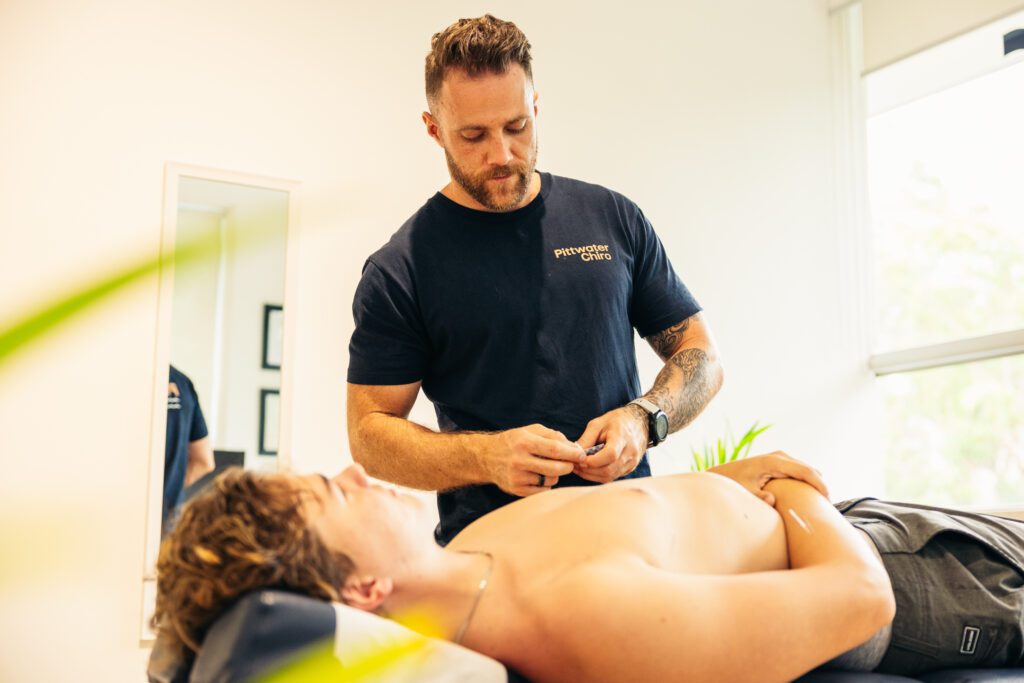
We hear in the clinic that you slipped your disc, giving you a dodgy back. More often than not, this is not true. Spinal discs do not slip out of place. This thought process alone may make our symptoms worse. If we think our discs are unstable – likely to slip out at any moment – we are much less likely to apply forces (exercise) and loads (heavy objects) to the back needed to create a strong back. So instead of a slipped disc, the correct term is disc herniation. To explain why, we will look at the anatomy of the lower back. Lumbar Spine Anatomy Your spine has 33 vertebrae – 24 are moveable and the remainder are fused. The discs sit between the vertebrae and act as a shock absorber, providing cushioning and flexibility. They also aid in the transfer of loads and forces and help to create smooth movements through our spine. Each disc consists of a tough outer layer called the annulus fibrosus and a gel-like inner core called the nucleus pulposus. Above and below the discs at the top and bottom of the adjacent vertebral bodies are vertebral endplates. These endplates hold the disc firmly in place, making it impossible for the disc to slip out. Are you more a visual learner, click on the link to see a video going through the anatomy – lumbar spine anatomy. When a disc herniation occurs, a small part of the nucleus pulposus (the gel-like inner layer) breaks through a part of the annulus fibrosis. A disc herniation can contribute to irritation and inflammation of the surrounding nerves due to compression of that nerve. These nerves often travel down and branch off to other nerves that supply the muscles and skin of our legs or arms. This is why back or neck pain can sometimes travel down our arms or legs, sometimes causing numbness, tingling or sharp pains in the affected limbs. Cause of Disc Herniation The cause of disc herniation is somewhat debatable. The original theory is that bending forward, twisting movements and lifting heavy loads will cause disc herniation. However, research is beginning to suggest this is not necessarily true. There is emerging research stating that genetic components and lifestyle factors can make an individual more susceptible to disc herniations and the degenerative process. Research suggests that not everyone with a disc herniation has symptoms or pain. Individuals may even have disc herniations which can severely compress a nerve and be completely symptom-free! Corresponding research suggests herniations can heal without surgical interventions, regardless of the size. Furthermore, the size of a disc herniation does not impact the degree of symptoms the individual experiences, meaning some may experience a high degree of pain with a minor disc herniation, and others may experience minimal pain with a large herniation. While this is baffling, it is very encouraging, as it suggests pain symptomatology can be affected by, and in terms relieved by, lifestyle modifications and assessing wellbeing holistically without the need for surgical intervention. Summary of Research With the above information, it would be sufficient to say that most people do not need surgery for a disc herniation. Again, research suggests that most people suffering from the symptoms of a disc herniation who undergo surgery have similar long-term outcomes to those who do not. A study found that those who did undergo surgical intervention, initially had a greater relief of pain, a quicker return to activities and decreased impact on daily living in the short term. However, when re-assessed a few months later, these individuals reported having the same levels of pain, functionality and contribution to activities of daily living as those who did not undergo surgical intervention. Surgical intervention may be necessary for those who are suffering severe and progressive neurological symptoms, however non-operative management is often recommended at the first trial of care. Non-surgical treatment can include chiropractic treatment, prescribed exercises and activity modification. For more information on management of chronic low back pain, read our blog. So, what can you do at home to relieve disc herniation symptoms and decrease the likelihood of a recurring flare-up? Identify what triggers and aggravates your symptomatology. Work postures, patterns of movement, stressful periods of life, poor sleep, alcohol or smoking, poor nutrition, weight, etc. Once you understand what flares up your pain then find ways to avoid it. This could be changing your diet, drinking more water, avoiding sitting for prolonged periods or going to bed a bit earlier. Exercise! Evidence suggests that exercise combined with manual therapy is the most effective way to relieve chronic pain. However, there is no evidence to suggest one form of exercise is better than another form of exercise. So, do what feels good for you and, more importantly, what you enjoy doing! Anything is better than nothing. Assess your lifestyle and other factors of health. Similar to the first point, looking at your health holistically ensures you know how to manage your pain and prevent the likelihood of injury recurrence. Stress is one of the main drivers of the majority of prevalent diseases. Pain is multifactorial and often linked to poor stress management, mental health, and/or lifestyle choices. Disc herniations can cause significant discomfort and impact an individual’s quality of life, this does not have to be the case. Finding out what works best for you, what triggers your pain and how to avoid it is the key to empowering you to take control of your health. Making these choices will get you back to doing what you love quickly.
Rest is not always the answer

Instinctively most of us want to rest after injuring ourselves. While this seems logical, it’s not always the best decision. The acronym taught to us by all first aid courses is RICER. Rest, ice, compression, and elevation (and referral) will help to reduce inflammation in the first 24 – 48 hours of injury. However, once the inflammatory process begins to settle returning to some modified activity will help to reduce the likelihood that this pain will become long-term. Active Recovery vs. Rest Prolonged rest – around two to three weeks following the initial injury – may have little effect on pain levels or worsen your pain. This is especially true for low back pain and soft tissue injuries. When we rest for too long, our muscles, parts of the nervous system, and the cardiovascular system begin to decondition. This means you can’t tolerate activities in the same way you used to. Think about how you feel going back to the gym after a long holiday, or after being sick, it’s never as easy as you remember. There’s a growing body of research that points to exercise as an effective form of pain relief, in fact, progressive movement and load should be prescribed for most injuries. This is why instead of the acronym RICER, there is a move towards a new acronym: PEACE and LOVE. PEACE and LOVE Protection – Avoid activities and movements that increase pain within the first few days after injury. Elevation – Elevate the injured limb higher than the heart (if possible). Avoid anti-inflammatories – These can reduce tissue healing. For more information on medications to take with pain, read our blog. Compression – Use an elastic bandage or tape over the injured site. Education – Understand the best treatment methods and the benefits of being active during recovery. & Load – Let pain guide your gradual return to activity. Optimism – Condition your brain for the best recovery. Vascularisation – Choose pain-free activities that increase the blood flow to the repairing injury. Exercise – Restore strength, mobility and proprioception by including exercise in your recovery. Current Research Research suggests that exercise can help to reduce pain intensity and frequency and improve mood. In fact, some research points to exercise being as effective as painkillers through the release of endogenous opioids i.e., endorphins. These are molecules are produced naturally by the body from our brain. It’s thought that these endorphins create an ‘exercise-induced euphoria’ and reduce our pain perception. The great thing is that it doesn’t come with the negative side effects which can be associated with painkillers. The best type of exercise will be dependent on what you enjoy most and what you’re most likely to do. Working alongside a health practitioner will ensure you return to exercise activities safely and gradually. Returning to exercise at pre-injury levels may aggravate the injury and a graded response will always be the best approach.
Welcome Our New Chiropractor: Dr Braeden Melmer

We are thrilled to introduce our newest team member at Pittwater Chiro, Dr Braeden Melmer. With a deep passion for chiropractic and a wealth of experience, Dr Braeden Melmer is eager to start treating the patients in the Balgowlah and Mona Vale community. Personal Background Dr. Braeden Melmer was inspired to pursue chiropractic by his own experiences with injuries growing up in Canada. As an avid ice hockey player, he frequently found himself in need of treatment. His chiropractor, Dr. Leonard Jay, was instrumental in helping him recover and return to the sport that he loved. This early exposure to the benefits of chiropractic sparked a fascination, he recalls thinking, “How great would it be to have this kind of knowledge to help people get back to what they love doing?” His educational journey began with a degree in Biomechanics from Guelph University, completed in 2010. He then attended the Canadian Memorial Chiropractic College (CMCC) in Toronto, where he earned his Doctor of Chiropractic degree in 2014. Dr. Braeden Melmer didn’t stop there; he furthered his expertise by obtaining a diploma in acupuncture from McMaster University. Outside of his professional life, Dr Braeden Melmer enjoys spending time with his girlfriend, Kim and Labrador, Lando. He keeps active by playing ice hockey, strength training, golf, and surfing. These hobbies keep him connected to the sports world and cement his passion for health and fitness. Professional Experience With a decade of experience as a chiropractor, Dr. Braeden Melmer specialises in treating sports and postural work injuries. His holistic and individualised approach to patient care ensures that each patient receives a tailored treatment plan. “No one-size-fits-all solution exists,” he emphasises. One of the standout moments of his career was being invited to speak at the annual Massage and Myotherapy Sports Conference in Brisbane, highlighting his expertise and dedication to his field. Philosophy and Approach Dr Braeden Melmer’s philosophy centres on a unique and holistic approach to patient care individualised for each person. He stays updated with the latest advancements in chiropractic techniques through research databases, podcasts, and collaborations with colleagues. Patients meeting Dr Braeden Melmer for the first time can expect a welcoming and relaxed environment. The initial visit involves getting to know each other, conducting a thorough history, and performing an individualised assessment to determine a diagnosis and a tailored management plan. At Pittwater Chiro Joining the team at Pittwater Chiro excites Dr Braeden Melmer because of the shared ideals and philosophies on patient care. He looks forward to being part of a prestigious clinic, well-established as the “go-to” within the local community. Dr. Braeden Melmer is particularly enthusiastic about treating sports injuries, especially those affecting the shoulders, hips, knees, ankles, and elbows. Additionally, he aims to offer services in concussion management and nutritional support. Patient Engagement Dr. Braeden Melmer advises bringing any previous medical files and imaging, as they can help diagnose and treat your condition. He reassures new patients to “breathe,” noting that chiropractic is not solely about adjustments. Treatments are diagnosis-dependent, and there are always multiple options to ensure patients feel comfortable with their treatment plan. Community and Impact Dr Braeden Melmer plans to engage with the local community by connecting with local businesses, gyms, and studios. He also intends to participate in local fundraisers and activities that his patients are involved in, and he looks forward to meeting the avid golfers in the area. His goals for the coming year include continuing the high-quality patient care and commitment that Todd and Pittwater Chiro have established and extending their health message and vision to become a cornerstone of health for the local and surrounding communities. We are confident that Dr Braeden Melmer will be an excellent addition to our team. We encourage you to book an appointment with him to experience his expert care. If you want to know more about him, click the links for his Instagram and website.
