
Rethinking core training: more than planks and crunches
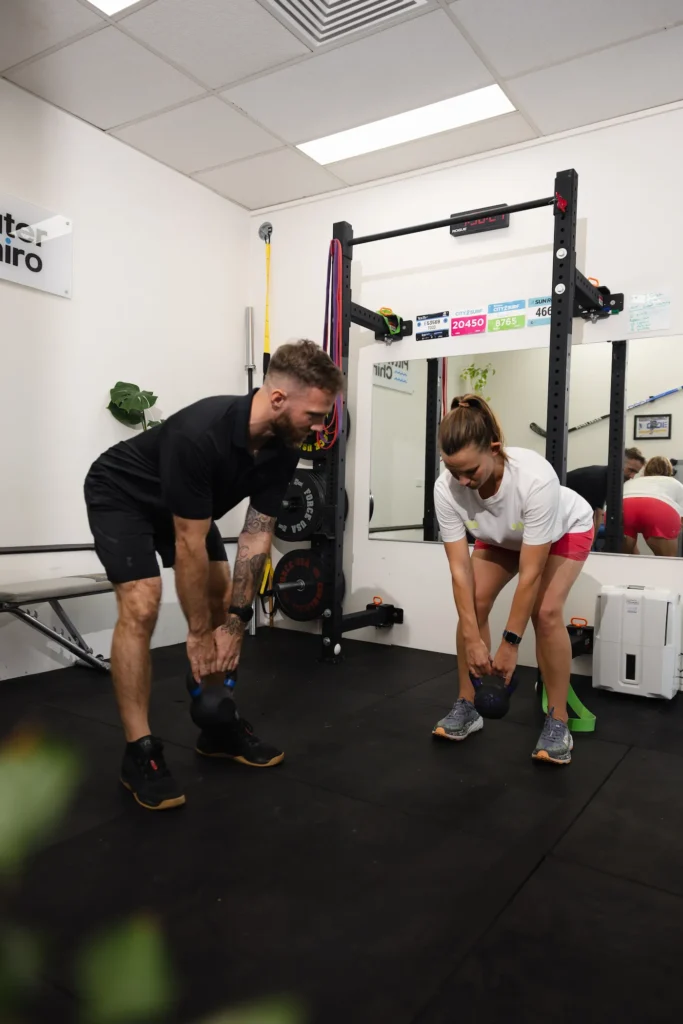
“Strengthen your core” is advice we hear everywhere, but why is core strength important, and what does having a strong core actually mean? Core strength is often associated with visible abdominal muscles or being able to hold a plank for a long time. In reality, your core plays a much broader role. The muscles of your trunk help create stability around the spine and pelvis, allowing your body to control movement, transfer force, and respond to the physical demands of everyday life, exercise and sport. What is your core and what does it do? Your core is not just your abs. It is a group of muscles that work together, connecting your pelvis to your lower ribs like a muscular cylinder. It includes your abdominal muscles, diaphragm, quadratus lumborum, erector spinae, pelvic floor and other smaller muscles surrounding your spine and pelvis. These muscles work together to control the position and movement of the trunk, particularly when the arms and legs are moving. When you pick up a heavy object, your arms and legs do most of the work. The core muscles, however, must maintain the stability of the torso to transfer the force. This is one of the main functions of the core. Core strength and spinal stability The spine is designed to move. Spinal stability does not mean keeping your spine completely still or maintaining one “perfect” posture. Instead, stability is the ability to control movement and resist unwanted movement when a force is applied. Your spine is supported by passive structures such as bones, joints, discs, and ligaments, as well as active muscular support and the nervous system. Your muscles don’t simply switch on to “hold your spine in place”. They constantly adjust their activity depending on what you are doing. For example, carrying a heavy bag on your left side creates a force that could pull your trunk towards the bag. Your nervous system responds by activating the muscles on the right side of your body to contract, maintaining a straight spine. The same principle applies when you run, jump, lift, reach or rotate. Good core function therefore isn’t about being rigid. It is about being able to control movement while still allowing movement to occur. Why is core strength important? A strong and well-coordinated core can help you: What does core strength actually look like? It isn’t necessarily the person who can hold a plank for five minutes. Core strength is task-specific. Someone might have excellent endurance in a plank but struggle to maintain control when carrying a heavy object, rotating or moving quickly. This is why core training shouldn’t be limited to exercises performed on the floor. My perspective on core training has changed When I was younger, I definitely thought core strength was mostly about doing crunches, planks and trying to get visible abs. There is absolutely nothing wrong with that. I still love a good mat Pilates class, and there is something very satisfying about a set of abdominal exercises that leaves your core burning. But as I’ve learned more about movement, I’ve become much more interested in how we use our core outside of those traditional exercises. Now, I tend to focus more on functional core strength and the ability to maintain control while the rest of the body is moving. That might look like balancing on one leg while reaching in different directions, performing a single-leg squat, carrying a weight on one side of the body, doing an exercise with an unstable base of support, or controlling a movement where the arms or legs are moving independently. Even something as simple as standing on one leg while rotating your upper body challenges your ability to control your trunk while your centre of mass changes. Other examples include: These exercises don’t necessarily look like traditional “ab exercises”, but your core is working throughout them. Do you need to brace your core all the time? No. There is a time and place for bracing, particularly when lifting heavy loads or performing a movement where you need a high level of trunk stiffness. But maintaining a maximal abdominal brace throughout the day is not the goal of good core function. Your trunk needs to be able to adapt. When you walk, breathe, reach overhead, rotate or sit down, your muscles are constantly changing their level of activity. Stability comes from this ability to respond to changing demands, not from keeping everything switched on at maximum effort. How to improve your core strength? Start by considering what you actually need your core to do. If your goal is general strength, exercises such as dead bugs, side planks, carries, squats, deadlifts and controlled rotational movements can all be useful. From there, you can gradually make the challenge more functional by introducing single-limb exercises, changes in balance, external loads, different positions or movements that require your trunk to respond while your arms and legs move. The key is progressive overload. Just like any other muscle group, your core needs an appropriate challenge to become stronger. This could mean increasing resistance, repetitions, range of motion, exercise complexity or the amount of time you can maintain good control. You also don’t need to train your core every day. Your trunk is already working during many of the exercises you perform throughout the week. Core strength: the bigger picture Core strength is not about creating a rigid spine or achieving a perfect posture. It is about having enough strength, endurance and coordination to control your trunk while allowing the rest of your body to move. A strong core gives you a better foundation for everyday activities, exercise and sport. More importantly, it allows your body to respond to different loads and movements rather than relying on one fixed position. The goal isn’t to stop your spine from moving. The goal is to give it the capacity and control to move well.
Why hypermobility needs a specialised approach to treatment

I’ve been seeing lots of patients with hypermobility in the clinic recently, so let’s talk about what it is and why your treatment approach might differ. Understanding Hypermobility You might have heard your parents describe you as “double-jointed” or noticed that you can bend your fingers back farther than your friends can. While this flexibility might seem like an advantage, for many people with hypermobility, it can actually lead to chronic pain, frequent injuries, and joint instability. Hypermobility exists on a spectrum. Some people have just one or two hypermobile joints, while others have generalised hypermobility affecting multiple joints throughout the body. Common signs include bending your thumb back to touch your forearm, hyperextending your elbows or knees, or placing your palms flat on the floor without bending your knees. Why hypermobile bodies need different care If you’re hypermobile, you might have noticed that traditional chiropractic adjustments or physiotherapy leave you feeling temporarily better, but the same issues keep returning. Hypermobile joints naturally have more movement, which means they rely more heavily on muscles to create stability rather than the passive support from ligaments and joint capsules. When we treat hypermobile patients with the same approach as non-hypermobile patients, we can actually create more instability rather than addressing the root cause. How we adapt your treatment What can you expect Treatment for hypermobility is typically a longer journey than for non-hypermobile patients. Building strength and motor control takes time—usually weeks to months rather than days. However, the results are worth it. When done properly, you’re not just getting temporary relief; you’re actually changing how your body functions. You might notice that instead of feeling immediately “loose” after treatment, you may feel more stable and controlled. This is a good sign! We’re helping your body find its optimal balance between mobility and stability. Working together to gain stability If you suspect you might be hypermobile, or if you’ve been frustrated with treatments that provide only short-term relief, let’s have a conversation. During your assessment, we’ll evaluate your joint mobility, movement patterns, and discuss your symptoms and injury history. From there, we can create a personalised treatment plan that addresses your unique needs. Hypermobility isn’t something to “fix”—it’s simply a variation of normal anatomy that requires a different approach to care. With the right combination of manual therapy, dry needling, and targeted exercise rehabilitation, we can help you move with confidence and reduce your pain. Ready to understand why your joints behave the way they do? Book a FREE discovery call with our Mona Vale or Balgowlah team.
Resistance training matters for women
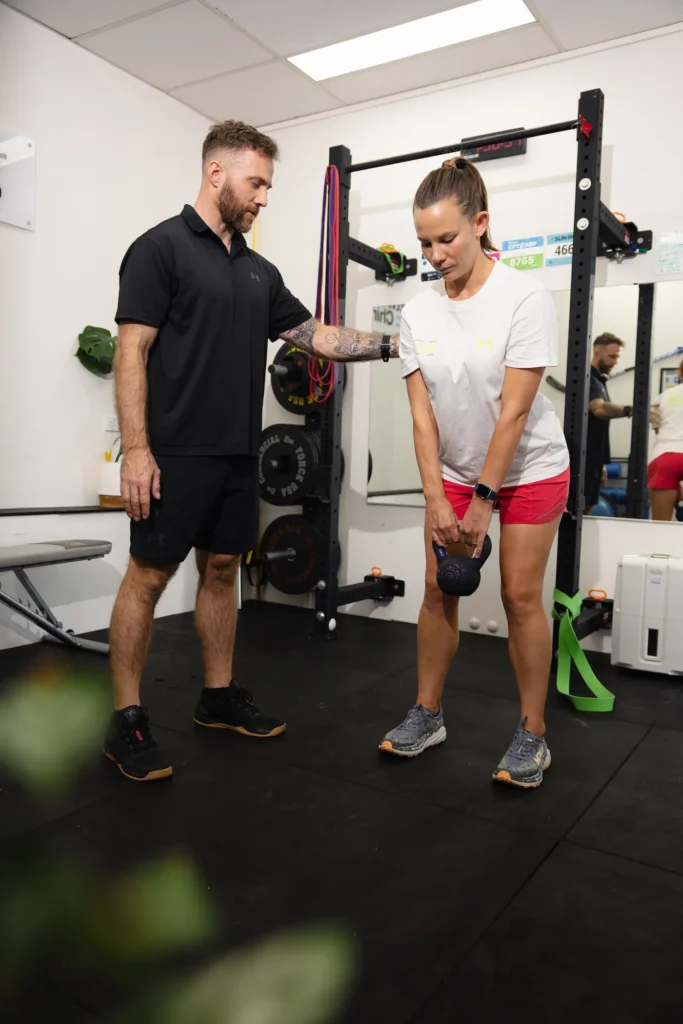
As a chiro, I see firsthand how bone health impacts every aspect of my patients’ lives. With a focus on women’s health, let’s talk about why resistance training isn’t just about building muscle – but about building a foundation for overall health and wellbeing. Bone health and resistance training Here’s something that might surprise you! Your bones aren’t static structures. They’re constantly breaking down and rebuilding themselves in a process called bone remodelling. Think of it as your body’s renovation project that never stops. Every day, old bone tissue is removed and fresh, new bone takes its place. But here’s the catch—this process slows down as we age, particularly for women. After menopause, the decline in estrogen accelerates bone loss, with women losing up to 20% of their bone density in the five to seven years following menopause. This is why osteoporosis affects women four times more often than men. Strength training and menopause When you lift weights, perform resistance exercises, or even do bodyweight movements like push-ups, you’re not just working your muscles. You’re sending a powerful signal to your bones: “We need to be stronger.” This process is called Wolff’s Law—bones adapt to the mechanical stress placed on them. When you create controlled stress through resistance training, your bones respond by becoming denser and stronger. Research shows that women who engage in regular resistance training can increase their bone mineral density by 1-3% annually, while sedentary women typically lose 1-2% per year! Benefits beyond bone density Recent studies have been particularly encouraging about resistance training’s impact on bone health: Postmenopausal women: A 2023 systematic review found that resistance training programs lasting 12-24 months significantly improved bone density at the spine and hip in postmenopausal women. The key was consistency—exercising 2-3 times per week with progressive overload. Younger women: Research shows that building peak bone mass in your 20s and 30s through resistance training creates a “bone bank” that protects you later in life. Women who strength train during these crucial years enter menopause with stronger bones and experience less dramatic bone loss over time. Fracture prevention: Perhaps most importantly, studies demonstrate that women who regularly perform resistance exercises have a 40% lower risk of hip fractures and a 20% lower risk of spine fractures compared to those who don’t. Beyond bone density: the complete picture Resistance training doesn’t just make your bones denser—it creates a comprehensive defence system: Improved balance and coordination: Stronger muscles and better proprioception mean fewer falls. Since 95% of hip fractures result from falls, this protection is invaluable. Better posture: Strong back and core muscles support proper spinal alignment, reducing stress on vertebrae and decreasing the risk of compression fractures. Functional strength: Being able to carry groceries, lift grandchildren, or get up from a chair without strain isn’t just about quality of life—it’s about maintaining independence as you age. Safe exercises for women at every stage You don’t need to become a powerlifter to protect your bones. Here’s what we recommend to our patients: Start simple: Begin with bodyweight exercises like squats, push-ups (wall or modified), and planks. These movements load multiple bones simultaneously and require no equipment. Focus on key areas: Prioritise exercises that target the spine, hips, and wrists—the most common fracture sites. Examples include: Progressive overload: Gradually increase the challenge by adding weight, increasing repetitions, or progressing to more difficult variations. Your bones need to feel challenged to adapt. Consistency over intensity: Two to three sessions per week are more beneficial than sporadic intense workouts. Your bones respond to regular, repeated stress. For the gals Perimenopause and menopause: This is when resistance training becomes even more critical. If you haven’t started yet, there’s no better time than now. Even women in their 70s and 80s can improve bone density through appropriate resistance training. Pregnancy and postpartum: Modified resistance training during pregnancy can help maintain bone health, and resuming training postpartum is crucial for rebuilding bone density that may have been affected by breastfeeding. Hormone health: Regular resistance training can help support healthy hormone levels, including growth hormone and IGF-1, which play important roles in bone formation. Work with your healthcare team As chiropractors, we often see patients who are dealing with the consequences of poor bone health—compression fractures, postural changes, and chronic pain. We wish more people understood that many of these issues are preventable. If you’re new to resistance training, especially if you’re over 50 or have existing health conditions, we recommend: Whether you’re 25 or 75, your bones can still respond positively to resistance training. The earlier you start, the greater your bone bank will be. But even if you’re starting later in life, studies show significant improvements are still possible. Ready to build stronger bones and prevent osteoporosis? Book a consultation with our chiropractors at Pittwater Chiro today.
I’ve torn my ACL, now what?
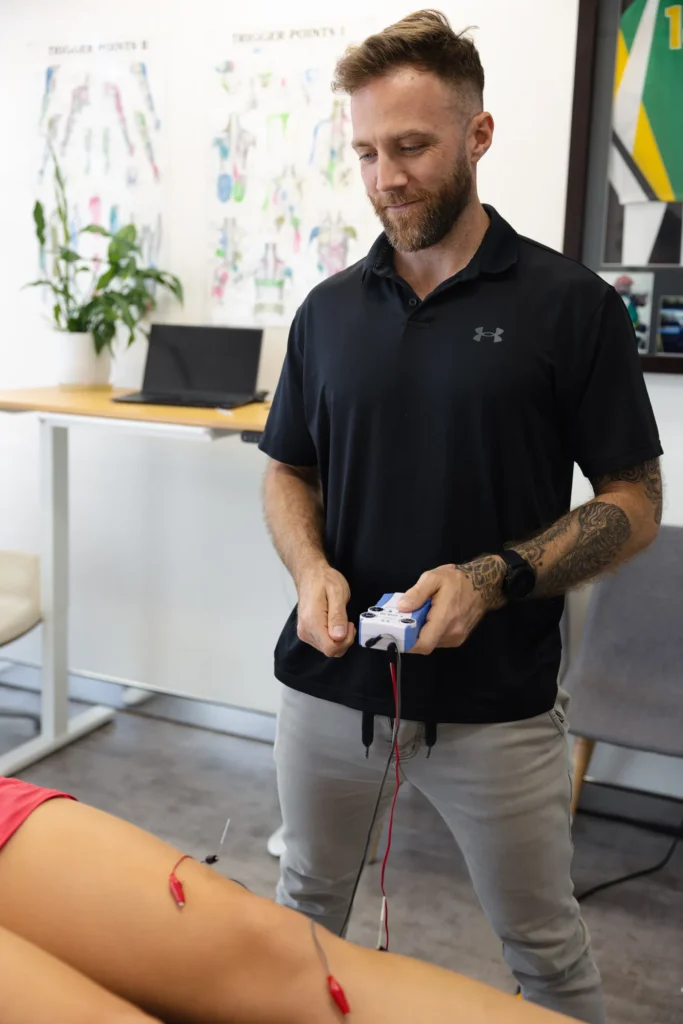
In the realm of sports injuries, few are as feared and common as a torn anterior cruciate ligament (ACL). The ACL is a ligament that connects your thigh bone (femur) to your shin bone (tibia). This can tear when you stop quickly, change director or with jumping. Whether you’re an athlete or simply someone who enjoys an active lifestyle, an ACL tear can be a major setback. But luckily, there are a few different options to send you on the path of ACL recovery. Surgery vs conservative care For a long time, it has been believed that the ACL has a poorer rate of spontaneous recovery, subsequently making it one of the most common orthopaedic surgeries performed worldwide, with the gold standard of surgical intervention being a tendon graft. Studies by Zbrojkiewicz et al (2018), Sutherland et al (2019), and Abram et al (2020) have highlighted the increasing incidence of ACL injuries and subsequent surgical reconstructions. The landscape of ACL treatment has evolved significantly over the past couple of decades. A shift in perspective is underway, challenging the notion that surgery is always necessary for recovery. The decision between surgery and conservative care hinges on various factors, including age, activity level, and personal preference. While some argue that surgical reconstruction may reduce the risk of further complications like meniscus lesions, the evidence does not back this up. Whether these benefits stem from the surgery itself or changes in activity levels post-recovery is unclear. Furthermore, there’s no definitive evidence linking ACL reconstruction to the prevention of osteoarthritis, and studies show that many athletes re-injure their ACL upon returning to their sport following an ACL surgery. Contrary to long-held beliefs, we’re discovering now that the ACL can indeed heal on its own under the right conditions. With proper bracing and a tailored rehabilitation plan, some patients may achieve satisfactory outcomes without going under the knife. Recent well-designed studies challenge the notion that surgery is a prerequisite for returning to sports. Conservative treatments have shown promising results for many patients, suggesting that surgery may not always be necessary. The cross-bracing protocol, rehabilitation, and conservative care A recent study published in the British Journal of Sports Medicine sheds light on the effectiveness of a cross-bracing protocol in facilitating ACL healing and rehabilitation. Essentially, cross-bracing involves applying a specific type of brace to the injured knee to provide support and stability during the healing process. Unlike traditional braces that merely restrict movement, cross-bracing aims to mimic the function of the ACL itself, allowing for more natural movement while still providing necessary reinforcement. The beauty of the cross-bracing protocol lies in its ability to harness the body’s natural healing mechanisms. By providing support to the injured knee and encouraging controlled movement, cross-bracing creates an environment conducive to ACL repair. This approach not only promotes healing but also helps to prevent further damage to surrounding structures, such as the meniscus. But perhaps the most compelling aspect of the cross-bracing protocol is its potential to eliminate the need for surgery in some cases. While surgical reconstruction has long been considered the gold standard for ACL injuries, it’s not always the best option for every patient. Cross-bracing offers a non-invasive alternative that may yield comparable results for many individuals, particularly those with less severe injuries or who prefer to avoid surgery. Of course, like any treatment approach, cross-bracing is not without its limitations. It may not be suitable for all patients, particularly those with complex or severe injuries. Additionally, success with cross-bracing depends heavily on adherence to the prescribed protocol, including diligent rehabilitation exercises and follow-up care. Conclusions on Cross Bracing Protocol In conclusion, the cross-bracing protocol represents a promising new frontier in the realm of ACL injury recovery. With its focus on harnessing the body’s natural healing abilities and providing targeted support, cross-bracing offers a non-invasive alternative to traditional surgical intervention. While further research is needed to fully understand its efficacy, early findings suggest that cross-bracing may hold the key to unlocking a smoother, more streamlined path to ACL recovery. Useful resources Whether you are considering surgery or not, it is always recommended you research your treatment plan and understand what it involves. Both surgery and conservative care have the best outcomes and the least chance of re-injury when properly followed by a rehabilitation program. An easy-to-read resource I would recommend to those who are considering surgical intervention is the “Melbourne ACL rehabilitation guide 2.0”, the link to access this is here: https://www.melbourneaclguide.com/docs/ACL_Guide.pdf Additionally, if you are looking to better understand the rehabilitative process involved before surgery, post-surgery or if you have decided to not have surgery, book in to see one of our chiropractors and we can have an in-depth discussion about what is best for your ACL recovery. For more reading, look at our blog on the benefits of exercise rehab. References A B
Why exercise rehab is important
Exercise rehabilitation or rehab is a personalised approach to recovery, prescribed to every patient at Pittwater Chiro. Exercise rehab is the restoration of optimal form and function. When recovering from an injury or surgery, targeted exercises are prescribed to get your body moving to recover from injury and ensure that you can do all your daily activities. In addition, studies show that when exercise is combined with manual therapy (hands-on treatment), patients are more likely to recover from pain at a quicker rate and with a reduced chance of re-injury. Exercise rehab is a range of exercise techniques, formulated for the specific injury and the needs and limitations of the individual. These exercise techniques can be focused on improving range of motion, balance, coordination, flexibility, strength or functional movement patterns. Research suggests that exercise rehab can be beneficial for pain and/or injuries, such as neck pain, low back pain, ankle sprains, hamstring injuries, shoulder injuries and knee injuries. The benefits of exercise rehabilitation Improved strength and stability Improved flexibility and range of motion Decreased pain levels via release of endorphins (the body’s natural painkillers) Prevention of injury recurrence Improved proprioception, and subsequently improved balance and coordination. Improved psychological well-being Increased recovery rates Important components of a exercise rehab program Assessment Allied health professionals i.e. chiropractors, physiotherapists, and exercise physiologists, should be the only practitioners that provide you with an exercise rehab program. A professional will be able to effectively assess and understand the nature and extent of your injury, your current health status and the specific needs of you as an individual to recover from the current condition. Tailored programs Building on the above-mentioned point, a tailored program is useful when recovering from injuries or chronic pain conditions. We’re all different, and every human body has different strengths and limitations. If you start a program with too many exercises or a weight that is too heavy for you, you will set yourself up for re-injury. If you progress through your program too slowly, your body won’t continue to strengthen, again increasing the risk of re-injury. This is why it is important to have a health professional monitor your progress ensuring that you are safely improving at the right pace. Progressive overload That brings me to my next point. Progressive overload is a concept widely used but often poorly executed. It’s pretty normal to get excited about an exercise or the feeling that you’re getting back to your pre-injury activity levels. This enthusiasm can make you go from 0 – 100 real quick which can result in re-injury. The progressive overload principle involves gradually increasing the intensity or load over time to continually challenge your muscles, and promote growth and adaptation. The idea is to push your body slightly beyond its current capacity during each workout, forcing it to adapt by becoming stronger, more endurance-oriented, or more flexible. It’s essential to implement progressive overload cautiously and gradually to minimise the risk of injuries and allow for proper recovery. Functional movements While this can be a bit of a buzzword, exercises within a rehab plan should aim to mimic the functional movement patterns you do as an individual. This could be simple activities of daily living, such as getting up from a chair, or can be more sport-specific such as rotational movements. The goal of these exercises is to build confidence in your abilities to complete these activities pain-free. Conclusion Exercise rehabilitation is a transformative journey that goes beyond physical recovery. It empowers individuals to actively participate in their healing process, fostering a sense of control and resilience. Always consult with health professionals to develop a personalised exercise rehab plan that suits your specific needs and circumstances. For more information on the type of exercise rehab used at Pittwater Chiro, read Jess’s blog on Dynamic Neuromuscular Stabilization. References Frontera WR. Rehabilitation of Sports Injuries: Scientific Basis. Vol X of Encylopaedia of Sports Medicine. An IOC Medical Comittee Publication in collaboration with the International Federation of Sports Medicine. Blackwell Science Ltd. 2003 Mintken PE, McDevitt AW, Cleland JA, Boyles RE, Beardslee AR, Burns SA, et al. Cervicothoracic Manual Therapy Plus Exercise Therapy Versus Exercise Therapy Alone in the Management of Individuals With Shoulder Pain: A Multicenter Randomized Controlled Trial. The journal of orthopaedic and sports physical therapy. 2016;46(8):617–28. Brody LThein, Hall CM. Therapeutic exercise moving toward function. 3rd ed. Philadelphia: Wolters Kluwer/Lippincott Williams & Wilkins Health; 2011. Fredin K, Lorås H. Manual therapy, exercise therapy or combined treatment in the management of adult neck pain – A systematic review and meta-analysis. Musculoskeletal science & practice. 2017;31:62–71. Chris MB, Jeffrey BT, Dischiavi SL, Doherty C, Delahunt E. Rehabilitation Exercises Reduce Reinjury Post Ankle Sprain, But the Content and Parameters of an Optimal Exercise Program Have Yet to Be Established: A Systematic Review and Meta-analysis. Archives of Physical Medicine and Rehabilitation, 2019;100(7):1367-1375. Rainville J, Hartigan C, Martinez E, Limke J, Jouve C, Finno M. Exercise as a treatment for chronic low back pain. The Spine Journal, 2004;4(1):106-115.
