
Chiropractic vs. Physiotherapy
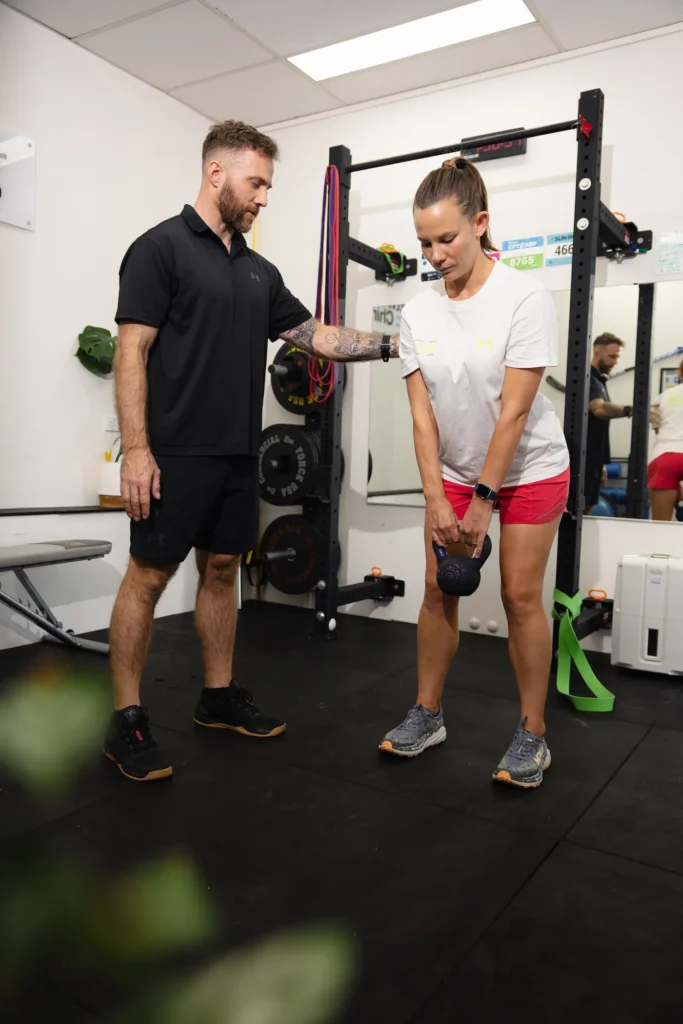
We often get asked what the difference is between chiro and physio. The answer will differ depending on each practitioner as we treat each patient differently. However, these days chiro and physio are taught very similarly with a few specialised differences. In fact, many subjects in the chiropractic degree are done alongside physiotherapy students. Overall, chiropractic students are taught more thoroughly in joint mobilisations and manipulations (also called adjustments). Physios will be taught more thoroughly in post-surgical rehab, respiratory conditions and stroke management. Musculoskeletal disorders are covered in both professions. Whilst I can’t talk on behalf of all chiros, I want to point out a few common misconceptions about our profession. This way you know what to expect when you receive treatment with us. Chiropractors can help with more than just the back. One of the most prevalent misconceptions about chiropractic is that we can only help with back pain. There’s no denying we relieve back pain, but we’re also effective in treating other regions of the body too! In fact, there’s a growing body of research on the effectiveness of manual therapy for knees, shoulders, hips and feet. When studying at university, chiro students spend a lot of time learning how to treat the upper and lower limbs. This means that we have in-depth knowledge from dedicated time on nearly every joint. Chiropractic treatment doesn’t have to involve an adjustment. While adjustments are effective, they’re just one tool in our toolkit. If it’s something that you find uncomfortable, we won’t use that technique. Some treatments may not even include an adjustment depending on the patient’s needs and preferences. We’re taught many alternatives to an adjustment including gentle joint mobilisations, dry needling, and soft tissue techniques. An adjustment isn’t bones popping in or out of place. While it might sound or feel like your bone is moving out of place that is certainly not the case! The ‘popping’ or ‘cracking’ sensation felt during an adjustment is the creation of a gas bubble in the fluid surrounding the joint. While that crack feels nice, it doesn’t necessarily always have to occur for the adjustment to be effective. An adjustment aims to stretch the surrounding muscle via a small quick movement, which stimulates the nerve. This will decrease the pain signals sent from the brain, causing the muscle to relax and improving the movement of that joint. Chiropractors can (and often will) prescribe at-home exercises. Most chiropractors will prescribe their patient’s exercises to do at home after their treatment. This is done for the same reasons that physios prescribe exercises. Exercise is one of the most effective ways to recover from injury and pain. When exercise is combined with manual therapy, research shows it is the most effective in reducing pain, increasing mobility and reducing recurrence. We won’t send you off for x-rays unless you need them. While imaging is useful, it’s not always necessary and can sometimes cause unnecessary fear and anxiety. There are times when imaging is required, but not for every patient, and this is why we take the time to ask questions about the patient and the symptoms they’re suffering. When choosing between chiro, physio, osteo or any other form of manual therapy, make a decision based on the practitioner rather than the profession. The best treatment results occur when you can trust your practitioner.
Pain Gate Theory: Use in Chiropractic Care
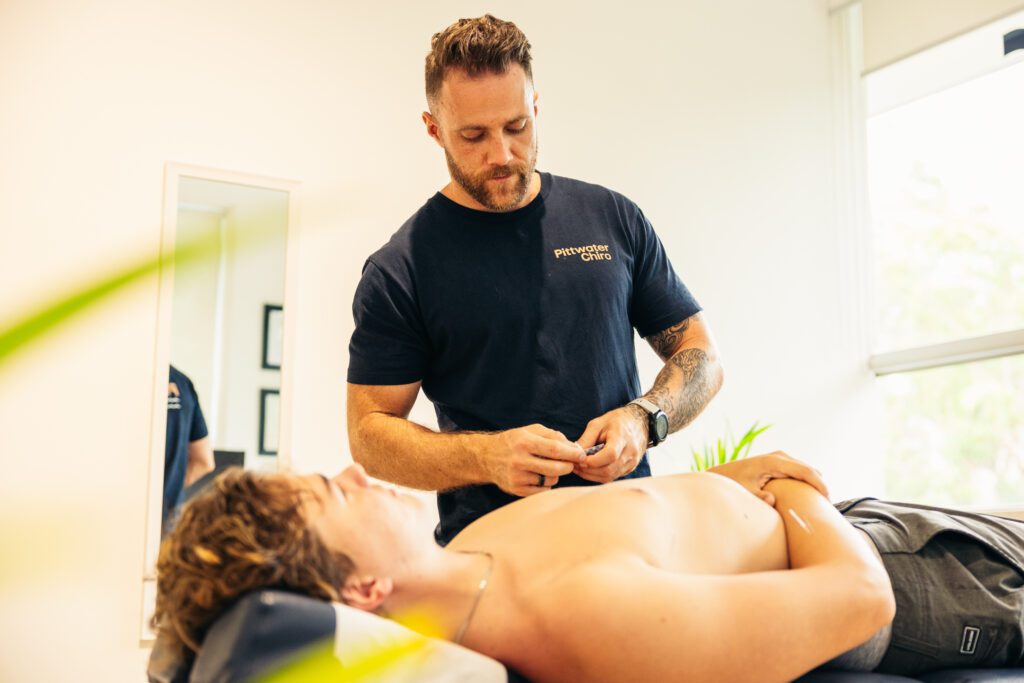
Pain is a complex and subjective experience that can greatly impact our daily lives. Whether the pain is acute or chronic, we understand the mechanisms of pain, which helps us to effectively manage pain. One prominent theory is the Pain Gate Theory or Gate Control Theory of Pain. This theory proposes that pain perception is not solely determined by the intensity of a noxious stimulus (this is something that’s caused you pain, i.e., you’ve scraped your knee on a rock, or you’ve burnt your hand), but is changed by aspects of the nervous system which control the ‘gating’ of pain signals being sent to the spinal cord and up into the brain. To understand the pain gate theory, let’s imagine a “gate” in the spinal cord that controls the transmission of pain signals to the brain. This gate may open or close and will determine if these pain signals can travel up to our brain to reach our conscious awareness. Let’s look at the mechanisms: Activation of nociceptors When any type of tissue damage or injury occurs, nerve endings that are responsible for feeling pain are activated, these are called nociceptors. These nociceptors play an important role as they help us to reflexively remove ourselves from a dangerous situation that may cause us damage, for example, if you put your hand over a flame, you instinctively will pull it away. Transmission of pain signals The activated nociceptors send signals through nerve fibres to a section of the spinal cord, where they are transmitted to the brain for processing. This is a sort of filing system that allocates them to the ‘pain’ section of information to be sent up to the brain via the spinal cord. The gate mechanism Once these signals reach this section of the spinal cord, the gate mechanism has its moment. The gate consists of inhibitory and excitatory neurons, which regulate the flow of pain signals. This means they can either inhibit (or dampen) the pain signals or they can excite (or amplify) the pain signals. When the gate is closed, then the inhibitory signals dampen pain transmission and reduce our perception of pain. Conversely, when the gate is open, the excitatory signals can travel up to our brain through the gate, and we are made much more aware of the intensity of the pain. Influence of modulating factors The opening or closing of the gate is influenced by various factors, including psychological, emotional, and cognitive factors. One easy example is the use of mechanoreceptors. These are also nerve endings, but they’re responsible for the perception of touch and pressure which isn’t painful. These fibres can travel to our spinal cord much quicker than our pain signals are and can compete to take the space which essentially closes the gate, dampening the pain. That’s why it normally feels better if we rub or put pressure on an area that we’ve just injured. Other techniques may be used to calm our conscious awareness of pain, these can include distraction techniques, relaxation exercises or positive emotions, all of which will help to close the gate. Conversely, stress, anxiety, or negative emotions can open the gate, increasing pain sensitivity. How is this used in the clinic? Many of the techniques used in our clinic stimulate the skin and activate non-painful sensory fibres, our mechanoreceptors. As mentioned above, stimulating these nerve fibres will help close the gate and reduce pain perception. Additionally, our practitioners take the time to listen to you and your pain story, creating a space where you can relax and reframe your perception of pain, so that it is less catastrophic and more of an optimistic approach. We understand how debilitating pain can be when it interferes with your life, and we can reassure you that pain does not last forever. The pain gate theory offers valuable insight into the complex nature of pain perception. When we understand how the gate mechanism operates and the factors that influence it, we can develop comprehensive pain management strategies.
