
Dry Needling: What is it and how can it help?
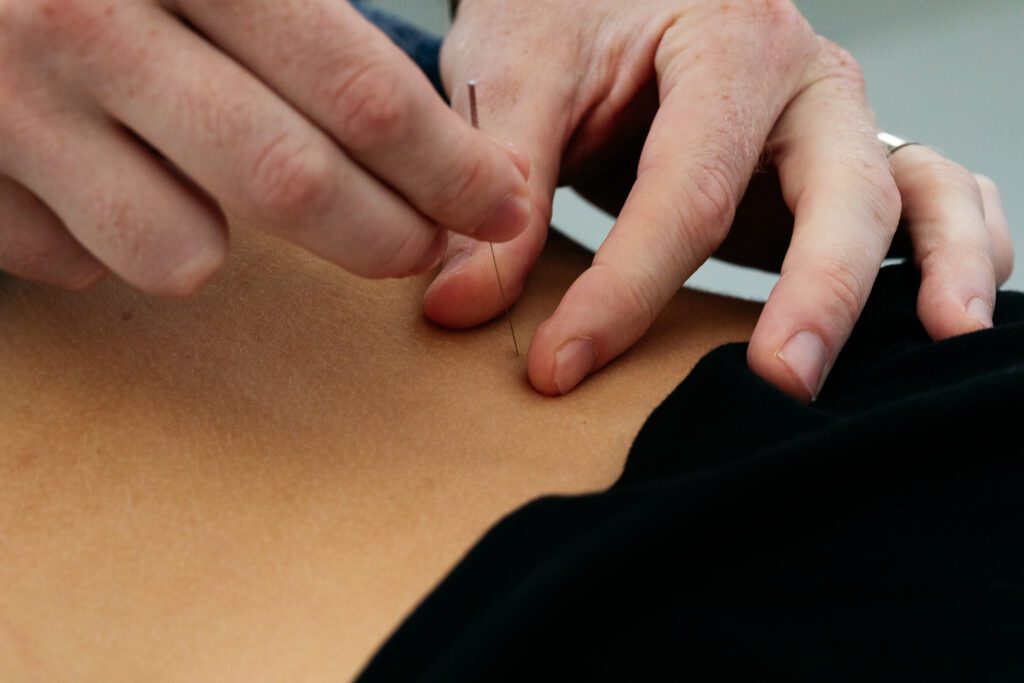
One of the questions I get asked most in clinic is, “What exactly is dry needling?” For many people, the thought of needles can sound intimidating, but once they understand how it works and experience the benefits, it’s often one of their favourite treatments. It involves inserting a fine, sterile, single-use needle into tight muscles or myofascial trigger points; which are those stubborn “muscle knots” that can develop after injury, repetitive movements, poor posture, or even stress. How does dry needling work? One of the most interesting parts of dry needling is something called a local twitch response. When the needle reaches a trigger point, it may cause a brief, involuntary contraction of a small group of muscle fibres. This happens because the needle stimulates sensitive nerve endings and muscle fibres within the trigger point, creating a reflex through the spinal cord. It’s not something you can control, and not every muscle will twitch. Patients often ask me whether the twitch means the treatment is “working.” While a twitch can be a really positive sign that we’ve targeted an irritable trigger point, it isn’t essential for dry needling to be effective. The twitch itself doesn’t relax the muscle. Instead, it’s thought to help interrupt the abnormal cycle of sustained muscle contraction that occurs within a trigger point. Following this response: Contracted muscle fibres can return closer to their normal resting length. Local blood flow improves, delivering oxygen and nutrients while helping remove metabolic waste. Pain-producing chemicals within the muscle are reduced. The muscle often relaxes, resulting in less pain and improved movement. Beyond the twitch response, dry needling also influences how the nervous system processes pain. This is one of the reasons many patients notice they can move more freely or comfortably following treatment. What are the benefits of dry needling? While every patient responds differently, some of the most common benefits I see in clinic include: Reduced muscle tightness and pain. Improved flexibility and range of motion. Reduced muscle spasms. Better muscle function and movement. Faster recovery after training or injury. Relief from tension headaches and certain types of neck pain. Improved outcomes when combined with chiropractic adjustments, soft tissue therapy, and rehabilitation exercises. Dry needling isn’t a “quick fix,” but when it’s used as part of a comprehensive treatment plan, it can be an incredibly effective tool for helping people move and feel better. Who can benefit? I commonly use dry needling with patients experiencing: Neck and back pain. Shoulder pain and restricted movement. Hip and gluteal pain. Sports injuries. Muscle strains. Tennis or golfer’s elbow. Jaw muscle tension (TMJ-related pain). Tension headaches and cervicogenic headaches. Persistent muscle tightness and trigger points. Reduced mobility caused by muscular stiffness. Whether you’re an office worker with tight shoulders, a runner with stubborn calf tightness, a swimmer with posterior shoulder tension, or simply someone dealing with ongoing muscular pain, dry needling may be an appropriate addition to your treatment plan. Is dry needling safe? Dry needling is considered a safe procedure when performed by a trained healthcare professional using sterile, single-use needles. Before treatment, I always take a thorough health history to make sure it’s appropriate for you. Contraindications Dry needling isn’t suitable in some situations, including: Over areas of active infection, open wounds, or compromised skin. In areas affected by active lymphoedema. Severe needle phobia that makes treatment unsafe. Certain medical conditions that require urgent medical management. Precautions Additional care may be required if you: What should I expect afterwards? It’s completely normal to feel some muscle soreness after dry needling. Many people describe it as feeling similar to the soreness you get after a workout. This usually settles within 24 to 48 hours. Some patients feel immediate relief after treatment, while others notice gradual improvement over the following day or two. Everyone responds a little differently, depending on the condition being treated. To help you get the most out of your treatment, I usually recommend: If you experience severe pain, increasing swelling, chest pain, difficulty breathing, fever, or any symptoms that concern you after treatment, seek medical attention promptly and let your practitioner know. My approach to Dry Needling I don’t see dry needling as a stand-alone treatment. While it can be incredibly effective at reducing muscle tension and pain, the best long-term results come from identifying why the problem developed in the first place. That’s why I often combine dry needling with chiropractic adjustments, soft tissue therapy, mobility work, strengthening exercises, and advice tailored to your lifestyle and goals. My aim isn’t just to help you feel better for a day, it’s to help you move better, recover well, and stay doing the activities you enjoy.
Welcoming Megan Desjardins to Pittwater Chiro

We’re excited to introduce the newest member of our team at Pittwater Chiro, Megan Desjardins. With a strong foundation in movement science and a calm, Megan is passionate about helping people better understand their bodies. Originally from Canada, Megan was drawn to Australia — and the Northern Beaches in particular — for its natural beauty and active lifestyle. She is excited to support the local community to stay active, manage pain, and continue enjoying everything this area has to offer. A journey shaped by movement From a young age, Megan developed an appreciation for movement and looking after the body. Growing up, she remembers watching her dad do callisthenics at the park and wanting to copy everything he did. That early exposure stayed with her and gradually shaped the way she views health and movement today. As Megan explains, we often don’t think about everything our bodies do for us until something starts to hurt or stops working properly. This awareness drew her to chiropractic — a profession that combines movement, function, and hands-on care in a meaningful way. She values helping people shift their mindset from frustration toward appreciation of what their body is capable of. Education and clinical training Megan completed her undergraduate degree in Kinesiology in Canada, where she developed a strong foundation in human movement, biomechanics, and exercise science. She then went on to complete her Master of Chiropractic at Macquarie University, receiving extensive training in musculoskeletal assessment, manual therapy, rehabilitation, and evidence-based patient care. Now in her early years of clinical practice, Megan is looking forward to continuing her professional development while supporting patients with their musculoskeletal health. A special interest in chronic and complex pain Megan has a particular interest in working with people experiencing chronic pain, whether involving the spine or extremities. These cases are often complex and require a deeper understanding of the bigger picture — something that suits the way she approaches care. Having family members who have lived with chronic pain has given Megan insight into how discouraging and draining long-term pain can be. As she puts it, pain doesn’t just affect the body — it can impact confidence and outlook too. Being able to support someone who has been struggling for a long time and help them begin to feel improvement again is what Megan finds most rewarding. One of her most meaningful experiences involved assisting an older gentleman with ongoing knee pain. Through care focused on pain management, movement, and strength, his walking distance and overall quality of life improved, helping him maintain greater independence in daily life. Megan’s approach to care Megan takes a structured yet supportive approach to patient care. She begins by addressing the main issue that brings someone into the clinic, to help them feel better as early as possible. From there, she focuses on identifying and addressing the underlying cause, rather than simply managing symptoms. As things improve, care gradually shifts toward active rehabilitation and self-management. Megan’s goal is for patients to feel confident managing their condition independently, while also recognising the value of maintenance care when appropriate — much like servicing a car to keep it running well over time. What to expect in your first appointment Patients seeing Megan for the first time can expect a calm, thorough, and unhurried appointment. She takes the time to understand what’s been going on through a detailed history and physical examination, ensuring everything is clearly explained along the way. Open communication is a key part of Megan’s care. Patients are encouraged to ask questions at any stage, to leave their first appointment feeling informed, comfortable, and reassured about their care plan and next steps. Why Pittwater Chiro? Megan was drawn to Pittwater Chiro because of how closely the clinic’s philosophy aligns with her own approach to care. She enjoys working in a clinic that is well-equipped with a range of treatment options and is particularly excited to integrate shockwave therapy into patient care. She is also looking forward to being part of a vibrant, supportive team and learning from colleagues who are passionate about helping people move and feel better. Techniques and services Megan offers Megan enjoys delivering care that combines: All care is tailored to the individual, taking into account comfort, goals, and personal preferences. For those new to chiropractic, Megan encourages open communication and involvement in the process. Manual adjustments are just one tool available, and patients are always supported to make informed decisions about their health. Supporting the local community Being part of the Northern Beaches community inspires Megan to help people move well in their everyday lives. She hopes to support the local community through education, preventative care, and encouraging active lifestyles. She is an approachable and trusted healthcare provider that people feel comfortable turning to. We’re excited for you to meet Megan Desjardins and experience her calm, considered approach to chiropractic care. To celebrate Megan joining the Pittwater Chiro team, both new and existing patients can enjoy 50% off their first appointment with Megan. Book online: pittwaterchiro.com/contact Take the first step toward moving better and feeling more confident.
Why hypermobility needs a specialised approach to treatment

I’ve been seeing lots of patients with hypermobility in the clinic recently, so let’s talk about what it is and why your treatment approach might differ. Understanding Hypermobility You might have heard your parents describe you as “double-jointed” or noticed that you can bend your fingers back farther than your friends can. While this flexibility might seem like an advantage, for many people with hypermobility, it can actually lead to chronic pain, frequent injuries, and joint instability. Hypermobility exists on a spectrum. Some people have just one or two hypermobile joints, while others have generalised hypermobility affecting multiple joints throughout the body. Common signs include bending your thumb back to touch your forearm, hyperextending your elbows or knees, or placing your palms flat on the floor without bending your knees. Why hypermobile bodies need different care If you’re hypermobile, you might have noticed that traditional chiropractic adjustments or physiotherapy leave you feeling temporarily better, but the same issues keep returning. Hypermobile joints naturally have more movement, which means they rely more heavily on muscles to create stability rather than the passive support from ligaments and joint capsules. When we treat hypermobile patients with the same approach as non-hypermobile patients, we can actually create more instability rather than addressing the root cause. How we adapt your treatment What can you expect Treatment for hypermobility is typically a longer journey than for non-hypermobile patients. Building strength and motor control takes time—usually weeks to months rather than days. However, the results are worth it. When done properly, you’re not just getting temporary relief; you’re actually changing how your body functions. You might notice that instead of feeling immediately “loose” after treatment, you may feel more stable and controlled. This is a good sign! We’re helping your body find its optimal balance between mobility and stability. Working together to gain stability If you suspect you might be hypermobile, or if you’ve been frustrated with treatments that provide only short-term relief, let’s have a conversation. During your assessment, we’ll evaluate your joint mobility, movement patterns, and discuss your symptoms and injury history. From there, we can create a personalised treatment plan that addresses your unique needs. Hypermobility isn’t something to “fix”—it’s simply a variation of normal anatomy that requires a different approach to care. With the right combination of manual therapy, dry needling, and targeted exercise rehabilitation, we can help you move with confidence and reduce your pain. Ready to understand why your joints behave the way they do? Book a FREE discovery call with our Mona Vale or Balgowlah team.
Vertigo, Dizziness, and Migraines – How We Can Help
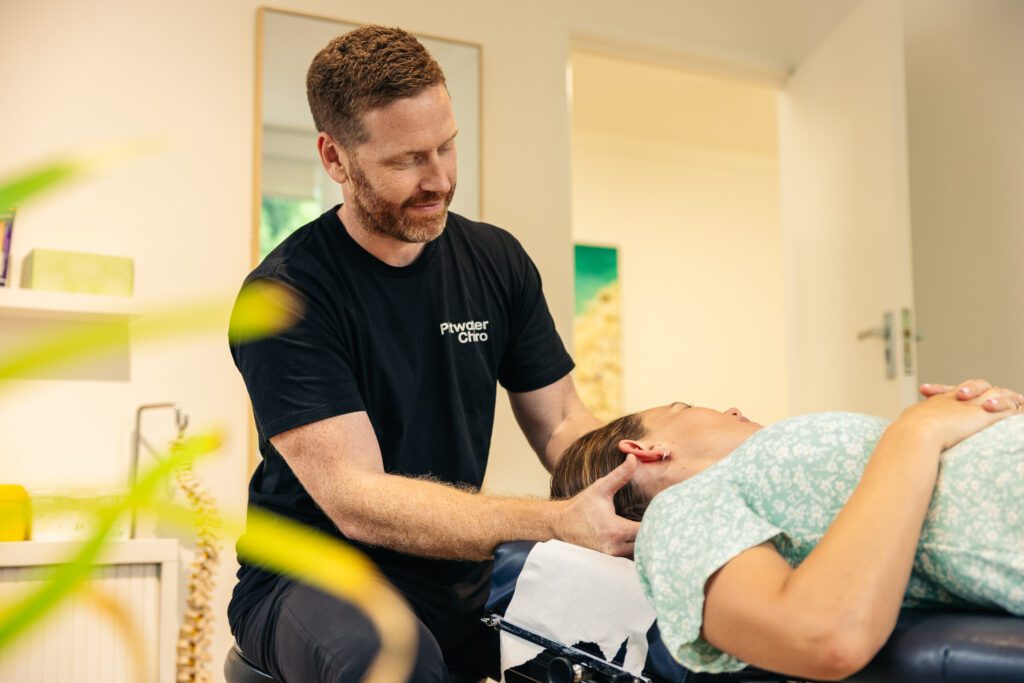
What is the difference between Vertigo, Dizziness, and Migraines? Vertigo and dizziness are common yet distressing symptoms that affect daily life. Vertigo is the sensation that you or your surroundings are spinning, often caused by issues in the inner ear or central nervous system. Dizziness, on the other hand, refers to a feeling of unsteadiness, lightheadedness, or loss of balance. Migraines, particularly vestibular migraines, can also contribute to dizziness and vertigo-like symptoms, often with an accompanied headache, making daily activities challenging. Common Causes of Vertigo and Dizziness Several underlying conditions contribute to vertigo and dizziness, including: Migraines and Their Impact on Dizziness Migraines, especially vestibular migraines, are a significant contributor to dizziness and balance disturbances. Migraine-related dizziness can present with or without headache pain and often includes symptoms such as light sensitivity, nausea, and visual disturbances. Medication-Overuse Headaches (MOH) and Migraines Overuse of common pain relief medications like paracetamol and ibuprofen can lead to medication-overuse headaches (MOH), also known as rebound headaches. This occurs when these medications are taken too frequently (more than 10-15 days per month), leading to increased headache frequency and severity. The Role of Chiropractic Care in Managing Vertigo and Dizziness Chiropractic treatment focuses on optimizing nervous system function, addressing musculoskeletal issues, and improving overall mobility. Chiropractic manipulations can be effective in reducing intensity of dizzy episodes or vertigo depending on the cause of these symptoms. There are also various other treatment modalities a chiropractor can perform which can be effective in reducing dizziness and vertigo symptoms: 1. Chiropractic Adjustments, Manipulations, and/or Mobilisations 2. Vestibular Rehabilitation & Exercises 3. Dry Needling & Soft Tissue Therapy 4. Lifestyle and Nutritional Guidance How Chiropractic Care Complements Other Treatments While medications such as antihistamines and vestibular suppressants are commonly prescribed, they primarily offer short-term symptom relief. Furthermore, research suggests overuse of certain medications can worsen migraine symptoms. Research suggests Chiropractic care, in combination with vestibular rehabilitation and exercise therapy, provides a non-invasive, long-term solution for many individuals experiencing vertigo, dizziness, and migraines. Research highlights that multimodal treatment approaches—including manual therapy, rehabilitation exercises, and psychological support—show greater improvement in dizziness-related burden, balance, and overall quality of life. Chiropractic care can play a crucial role in enhancing recovery outcomes for individuals struggling with vertigo and dizziness. Take Control of Your Dizziness and Vertigo Today If someone you know is experiencing vertigo, dizziness, or migraines, chiropractic care, dry needling, and targeted exercises may provide relief. At Pittwater Chiro, we take a holistic approach, offering evidence-based treatments to help you be free from dizzy spells. Book a consultation today and take the first step toward balance and wellness!
