
Dry Needling: What is it and how can it help?

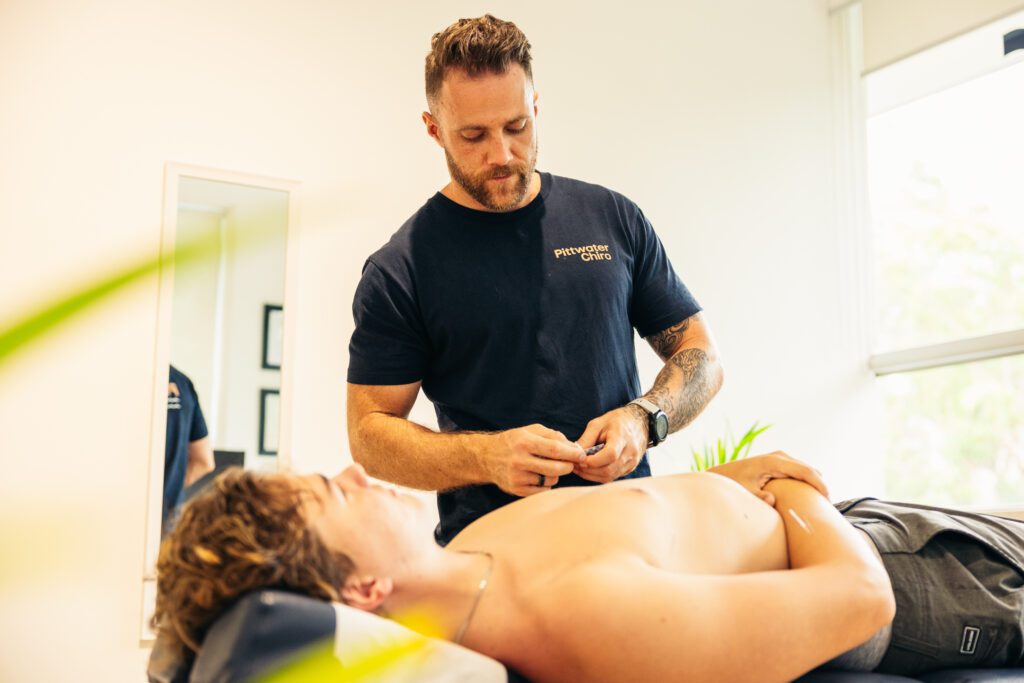
One of the questions I get asked most in clinic is, “What exactly is dry needling?” For many people, the thought of needles can sound intimidating, but once they understand how it works and experience the benefits, it’s often one of their favourite treatments. It involves inserting a fine, sterile, single-use needle into tight muscles or myofascial trigger points; which are those stubborn “muscle knots” that can develop after injury, repetitive movements, poor posture, or even stress. How does dry needling work? One of the most interesting parts of dry needling is something called a local twitch response. When the needle reaches a trigger point, it may cause a brief, involuntary contraction of a small group of muscle fibres. This happens because the needle stimulates sensitive nerve endings and muscle fibres within the trigger point, creating a reflex through the spinal cord. It’s not something you can control, and not every muscle will twitch. Patients often ask me whether the twitch means the treatment is “working.” While a twitch can be a really positive sign that we’ve targeted an irritable trigger point, it isn’t essential for dry needling to be effective. The twitch itself doesn’t relax the muscle. Instead, it’s thought to help interrupt the abnormal cycle of sustained muscle contraction that occurs within a trigger point. Following this response: Contracted muscle fibres can return closer to their normal resting length. Local blood flow improves, delivering oxygen and nutrients while helping remove metabolic waste. Pain-producing chemicals within the muscle are reduced. The muscle often relaxes, resulting in less pain and improved movement. Beyond the twitch response, dry needling also influences how the nervous system processes pain. This is one of the reasons many patients notice they can move more freely or comfortably following treatment. What are the benefits of dry needling? While every patient responds differently, some of the most common benefits I see in clinic include: Reduced muscle tightness and pain. Improved flexibility and range of motion. Reduced muscle spasms. Better muscle function and movement. Faster recovery after training or injury. Relief from tension headaches and certain types of neck pain. Improved outcomes when combined with chiropractic adjustments, soft tissue therapy, and rehabilitation exercises. Dry needling isn’t a “quick fix,” but when it’s used as part of a comprehensive treatment plan, it can be an incredibly effective tool for helping people move and feel better. Who can benefit? I commonly use dry needling with patients experiencing: Neck and back pain. Shoulder pain and restricted movement. Hip and gluteal pain. Sports injuries. Muscle strains. Tennis or golfer’s elbow. Jaw muscle tension (TMJ-related pain). Tension headaches and cervicogenic headaches. Persistent muscle tightness and trigger points. Reduced mobility caused by muscular stiffness. Whether you’re an office worker with tight shoulders, a runner with stubborn calf tightness, a swimmer with posterior shoulder tension, or simply someone dealing with ongoing muscular pain, dry needling may be an appropriate addition to your treatment plan. Is dry needling safe? Dry needling is considered a safe procedure when performed by a trained healthcare professional using sterile, single-use needles. Before treatment, I always take a thorough health history to make sure it’s appropriate for you. Contraindications Dry needling isn’t suitable in some situations, including: Over areas of active infection, open wounds, or compromised skin. In areas affected by active lymphoedema. Severe needle phobia that makes treatment unsafe. Certain medical conditions that require urgent medical management. Precautions Additional care may be required if you: What should I expect afterwards? It’s completely normal to feel some muscle soreness after dry needling. Many people describe it as feeling similar to the soreness you get after a workout. This usually settles within 24 to 48 hours. Some patients feel immediate relief after treatment, while others notice gradual improvement over the following day or two. Everyone responds a little differently, depending on the condition being treated. To help you get the most out of your treatment, I usually recommend: If you experience severe pain, increasing swelling, chest pain, difficulty breathing, fever, or any symptoms that concern you after treatment, seek medical attention promptly and let your practitioner know. My approach to Dry Needling I don’t see dry needling as a stand-alone treatment. While it can be incredibly effective at reducing muscle tension and pain, the best long-term results come from identifying why the problem developed in the first place. That’s why I often combine dry needling with chiropractic adjustments, soft tissue therapy, mobility work, strengthening exercises, and advice tailored to your lifestyle and goals. My aim isn’t just to help you feel better for a day, it’s to help you move better, recover well, and stay doing the activities you enjoy.
Why hypermobility needs a specialised approach to treatment

I’ve been seeing lots of patients with hypermobility in the clinic recently, so let’s talk about what it is and why your treatment approach might differ. Understanding Hypermobility You might have heard your parents describe you as “double-jointed” or noticed that you can bend your fingers back farther than your friends can. While this flexibility might seem like an advantage, for many people with hypermobility, it can actually lead to chronic pain, frequent injuries, and joint instability. Hypermobility exists on a spectrum. Some people have just one or two hypermobile joints, while others have generalised hypermobility affecting multiple joints throughout the body. Common signs include bending your thumb back to touch your forearm, hyperextending your elbows or knees, or placing your palms flat on the floor without bending your knees. Why hypermobile bodies need different care If you’re hypermobile, you might have noticed that traditional chiropractic adjustments or physiotherapy leave you feeling temporarily better, but the same issues keep returning. Hypermobile joints naturally have more movement, which means they rely more heavily on muscles to create stability rather than the passive support from ligaments and joint capsules. When we treat hypermobile patients with the same approach as non-hypermobile patients, we can actually create more instability rather than addressing the root cause. How we adapt your treatment What can you expect Treatment for hypermobility is typically a longer journey than for non-hypermobile patients. Building strength and motor control takes time—usually weeks to months rather than days. However, the results are worth it. When done properly, you’re not just getting temporary relief; you’re actually changing how your body functions. You might notice that instead of feeling immediately “loose” after treatment, you may feel more stable and controlled. This is a good sign! We’re helping your body find its optimal balance between mobility and stability. Working together to gain stability If you suspect you might be hypermobile, or if you’ve been frustrated with treatments that provide only short-term relief, let’s have a conversation. During your assessment, we’ll evaluate your joint mobility, movement patterns, and discuss your symptoms and injury history. From there, we can create a personalised treatment plan that addresses your unique needs. Hypermobility isn’t something to “fix”—it’s simply a variation of normal anatomy that requires a different approach to care. With the right combination of manual therapy, dry needling, and targeted exercise rehabilitation, we can help you move with confidence and reduce your pain. Ready to understand why your joints behave the way they do? Book a FREE discovery call with our Mona Vale or Balgowlah team.
Considering a corticosteroid injections for chronic pain?

Chronic pain can be a significant barrier to leading an active and fulfilling life. For many, the discomfort can make it challenging to engage in the very activities that might promote healing, such as physical rehabilitation exercises. At Pittwater Chiro, we advise a trial of conservative care for most injuries, aches, or pains. However, if you’re stuck in a rut and think there might be other options for alleviating your pain, then corticosteroid injections may be recommended. What are corticosteroid injections? Corticosteroid injections are a prevalent non-surgical treatment option for various musculoskeletal conditions, providing significant pain relief. These injections utilise corticosteroids, such as dexamethasone and triamcinolone acetonide, to reduce inflammation and improve function in affected areas. Your GP will determine the site of injection based on your symptomatology and the specific condition being treated. Imaging techniques, such as fluoroscopy or ultrasound, are often used to ensure accurate placement of the needle. Common conditions where corticosteroid injections may be recommended include tendinitis, bursitis, or spinal conditions like herniated discs. While effective, the implications of corticosteroids short-term and long-term warrant careful consideration. The effects of corticosteroids are not permanent, but they can last for weeks or even months, depending on the condition and individual response. If there’s a risk, what’s the reward? One of the key benefits of corticosteroid injections is their ability to mask pain enough to enable you to do your rehabilitation exercises. Chronic pain often creates a cycle where pain limits movement, leading to muscle weakness, stiffness, and further pain. By providing temporary relief, corticosteroid injections can help break this cycle. With reduced pain, individuals can focus on strengthening muscles, improving joint stability, and restoring mobility through a carefully designed rehabilitation program. This approach not only addresses the immediate symptoms but also targets the root causes of chronic pain, aiming for long-term improvement. For more information on the benefits of exercise rehabilitation, read Jess’s blog. Are corticosteroid injections right for you? It’s important to note that corticosteroid injections are not a cure for chronic pain or its underlying conditions. They should be seen as a tool that allows for more flexibility within a broader treatment plan. Ideal candidates are individuals who: Limitations and Risks While corticosteroid injections can be effective, they come with limitations and potential risks. This is why these are not recommended as a first line of treatment and you should consult your GP if this is an option you are considering. Overuse of these injections can weaken tissues which may cause further dysfunction and pain, and in some extreme cases can lead to ruptured tendons or ligaments. These injections can also lower your immune response, which increases the risk of infection especially if they are applied before other surgical interventions. The relief they provide is temporary, and repeated use should be carefully managed by a healthcare professional. Following a corticosteroid injection, several recommendations are crucial to optimise recovery and minimise potential adverse effects. These include: Building a Long-Term Strategy Chronic pain management is most effective when approached holistically. Corticosteroid injections may serve as a stepping stone toward recovery, but sustainable improvement requires a commitment to lifestyle changes, such as: Corticosteroid injections can be a valuable option for individuals suffering from chronic pain, particularly when the pain hinders progress in rehabilitation. By providing temporary relief, these injections can pave the way for effective rehabilitation and long-term recovery. If you’re considering this treatment, consult with your GP to develop a comprehensive understanding and plan. References A References B
Back to Basics

“When back pain suddenly shows up, we are tempted to blame it on the last minor stressor that affected it, such as a soft bed in a hotel. This is like blaming your bankruptcy on the last latte you bought before your account finally went into the red.” – Todd Hargrove. When pain occurs it’s not uncommon for us to try to find a triggering event. Sometimes, this can leave us stumped as there wasn’t a clear change from our normal activities, it kind of just came on, or we must have just slept funny. Pain and our body’s physiology are not simple, most of the time it isn’t caused by just one event (unless your injury was a result of direct trauma). Research suggests that pain is complex and can occur from physical factors, lifestyle factors, and mental factors. Put simply, pain tolerance levels are closely linked to our entire well-being. Homeostasis Think about how complex the balance of nature is. Extinction of one species can influence the population of other species, or altered weather patterns can affect the growth of plants and animals. Like the intricate balance of nature, our pain symptoms can rely on the stability and good functioning of our body systems. This is what we refer to as the body’s homeostasis. The self-regulating process of the cells in our body to maintain stability and adapt to conditions. When there is an accumulation of small and subtle changes to these cells – a constant and steady increase in cortisol (a natural stress hormone) – it affects the functioning of other cells. The effects of cortisol When perceived with a threat, a natural stress response is triggered. Cortisol increases your blood sugar levels, which increases brain activity and increases the available substances needed for tissue repair. It also dulls non-essential functions of a fight or flight situation. These include your immune system, digestive system, and growth processes. It lowers testosterone, which is a vital growth hormone for men and women. This is optimal for short-term survival in stressful situations, however, if cortisol levels remain elevated things can start to go haywire. When we experience prolonged stress, our bodies have reduced pain tolerance and heightened pain. This is a process known as ‘sensitization’. We may struggle to maintain or grow muscle mass due to the dampening effect cortisol has on our growth hormones, and we might find ourselves getting struck down by the common cold often due to our weakened immune response. This ultimately leads to a change in the function of your whole well-being. So, the next time you notice a flare-up of symptoms, or a new unexplained injury occurs, let’s take it back to health basics. Ask yourself, am I: We’ve all heard the saying “you can’t pour from an empty cup”, well this extends to pain and injury too. If your body is already fighting to maintain homeostasis, then how can you expect it to repair damaged tissues and cells at a quick rate?
Pain Gate Theory: Use in Chiropractic Care
Pain is a complex and subjective experience that can greatly impact our daily lives. Whether the pain is acute or chronic, we understand the mechanisms of pain, which helps us to effectively manage pain. One prominent theory is the Pain Gate Theory or Gate Control Theory of Pain. This theory proposes that pain perception is not solely determined by the intensity of a noxious stimulus (this is something that’s caused you pain, i.e., you’ve scraped your knee on a rock, or you’ve burnt your hand), but is changed by aspects of the nervous system which control the ‘gating’ of pain signals being sent to the spinal cord and up into the brain. To understand the pain gate theory, let’s imagine a “gate” in the spinal cord that controls the transmission of pain signals to the brain. This gate may open or close and will determine if these pain signals can travel up to our brain to reach our conscious awareness. Let’s look at the mechanisms: Activation of nociceptors When any type of tissue damage or injury occurs, nerve endings that are responsible for feeling pain are activated, these are called nociceptors. These nociceptors play an important role as they help us to reflexively remove ourselves from a dangerous situation that may cause us damage, for example, if you put your hand over a flame, you instinctively will pull it away. Transmission of pain signals The activated nociceptors send signals through nerve fibres to a section of the spinal cord, where they are transmitted to the brain for processing. This is a sort of filing system that allocates them to the ‘pain’ section of information to be sent up to the brain via the spinal cord. The gate mechanism Once these signals reach this section of the spinal cord, the gate mechanism has its moment. The gate consists of inhibitory and excitatory neurons, which regulate the flow of pain signals. This means they can either inhibit (or dampen) the pain signals or they can excite (or amplify) the pain signals. When the gate is closed, then the inhibitory signals dampen pain transmission and reduce our perception of pain. Conversely, when the gate is open, the excitatory signals can travel up to our brain through the gate, and we are made much more aware of the intensity of the pain. Influence of modulating factors The opening or closing of the gate is influenced by various factors, including psychological, emotional, and cognitive factors. One easy example is the use of mechanoreceptors. These are also nerve endings, but they’re responsible for the perception of touch and pressure which isn’t painful. These fibres can travel to our spinal cord much quicker than our pain signals are and can compete to take the space which essentially closes the gate, dampening the pain. That’s why it normally feels better if we rub or put pressure on an area that we’ve just injured. Other techniques may be used to calm our conscious awareness of pain, these can include distraction techniques, relaxation exercises or positive emotions, all of which will help to close the gate. Conversely, stress, anxiety, or negative emotions can open the gate, increasing pain sensitivity. How is this used in the clinic? Many of the techniques used in our clinic stimulate the skin and activate non-painful sensory fibres, our mechanoreceptors. As mentioned above, stimulating these nerve fibres will help close the gate and reduce pain perception. Additionally, our practitioners take the time to listen to you and your pain story, creating a space where you can relax and reframe your perception of pain, so that it is less catastrophic and more of an optimistic approach. We understand how debilitating pain can be when it interferes with your life, and we can reassure you that pain does not last forever. The pain gate theory offers valuable insight into the complex nature of pain perception. When we understand how the gate mechanism operates and the factors that influence it, we can develop comprehensive pain management strategies.
