
I stretch but it does nothing!

You’re stretching regularly, doing all the “right” things, but somehow you still feel stiff. We see this all the time in the clinic. Someone will say, “I stretch every day, but my hamstrings still feel tight,” or “I’ve been doing mobility work, but my back still locks up.” And honestly, it can be really frustrating when you feel like you’re putting in the effort, but your body isn’t changing. A lot of people assume tight muscles simply need more stretching. But often, the issue isn’t that you’re not stretching enough. It’s that stretching alone isn’t addressing the bigger reasons your body is holding tension in the first place. Sometimes stiffness is less about one “short” muscle and more about your body asking for better recovery, more strength, more hydration, or a calmer nervous system. Let’s break it down. It’s not just “tight muscles”, it’s your whole system Muscle tightness isn’t only a local issue. It can be influenced by: This is why someone can stretch their hips every night and still feel tight the next morning. The stretch might give temporary relief, but if the underlying drivers are still there, the body often returns to the same protective pattern. So when tightness keeps coming back, it’s usually your body responding to something deeper than simply needing a longer stretch. Hydration and fascia health Your body is made up of roughly 60–70% water, and that matters more than most people realise when it comes to how “loose” or “stiff” you feel. Fascia is the connective tissue that surrounds and supports your muscles, joints, nerves, veins, arteries, bones and organs. It helps everything glide and move smoothly. When your fascia is well hydrated, it tends to be more elastic, responsive and adaptable. When it’s dehydrated, it can feel more sticky, stiff and restricted. This is one reason people can stretch and still feel tight again quickly. The issue may not just be the muscle itself, but the environment the muscle is sitting in. And hydration isn’t just about drinking more water. It’s also about fluid balance and electrolytes, which help your body actually absorb and use that water properly. Simple hydration upgrades: It sounds simple, but for a lot of people, improving hydration can make their body feel less “dry,” stiff and resistant to movement. Nervous system reset: why your body holds onto tightness If your nervous system is constantly switched on, your muscles will often stay lightly guarded, even if you’re stretching regularly. This is something we talk about a lot in the clinic. When life is busy, stressful or physically demanding, your body doesn’t always feel safe to fully relax. It prioritises protection over flexibility. That might show up as tight shoulders, a stiff lower back, guarded hips, or that general feeling of being tense all the time. A few simple ways to help down-regulate your system include: These small inputs signal to your body that it’s safe to let go of tension. For a deeper dive into this, you can also read our blog on regulating your nervous system. Let’s talk about length This is the piece most people are missing. Stretching can improve range of motion temporarily, but your body doesn’t always “keep” that range unless it feels strong and controlled there. That’s where strength through length comes in. Instead of just pulling a muscle longer, you’re training it to: A simple example is the difference between passively stretching your hamstring on the floor versus slowly lowering into a Romanian deadlift and controlling the length under load. Both can create a stretch sensation, but only one teaches your body that it is strong and safe in that range. When your nervous system trusts that you can control a position, it no longer needs to guard that area with tension. This is how flexibility becomes more sustainable rather than something you have to keep chasing every day. What strength through length looks like Rather than only stretching tight areas, we want to layer controlled strength into those same ranges of motion. This can be done through a mix of Pilates, yoga, mobility work and resistance training. Pilates and yoga Pilates and yoga can be excellent for building awareness, control and trust in your body. They can help you slow down, breathe, and move with more intention — which is often exactly what a tight, guarded body needs. Examples include: This is where you build awareness, coordination and nervous system control in range. Resistance Training Resistance training is where we build actual load tolerance and long-term change in tissue capacity. Examples include: The focus isn’t just on moving weight. It’s learning to control that weight through a full, lengthened range. That’s often the difference between feeling temporarily looser and actually building a body that feels more capable and resilient. A personal note As a former gymnast and someone who is very hypermobile, I’ve always had a lot of range in my body. Recently, I’ve noticed my body feeling quite stiff. Even though my range is still better than the average person, my body feels relatively stiff compared to my normal. At first, I blamed it on ageing, but the truth is I can’t do what I used to do, and I probably never will again. And I’ve realised it’s not just age. It’s that I’m not as strong as I used to be, I’m not as physically conditioned, and I have a lot more stress now (the reality of being an adult). As a naturally hypermobile person, I think my body has also started to compensate. Almost like it’s tightened up a little to protect me, because I don’t have the same strength and control I once had to support all that range. I don’t need to be the same athlete I was back then, but I do miss feeling light in my body and applying some of these tips has been a game-changer for me. The big picture If stretching hasn’t been working, it doesn’t mean your body
Vertigo, Dizziness, and Migraines – How We Can Help
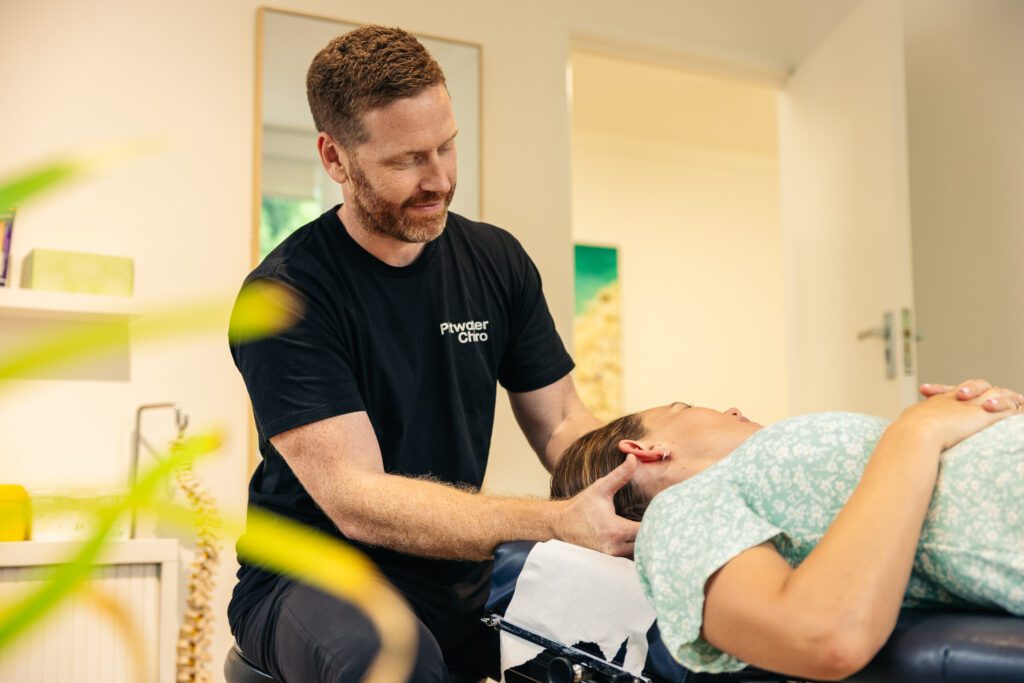
What is the difference between Vertigo, Dizziness, and Migraines? Vertigo and dizziness are common yet distressing symptoms that affect daily life. Vertigo is the sensation that you or your surroundings are spinning, often caused by issues in the inner ear or central nervous system. Dizziness, on the other hand, refers to a feeling of unsteadiness, lightheadedness, or loss of balance. Migraines, particularly vestibular migraines, can also contribute to dizziness and vertigo-like symptoms, often with an accompanied headache, making daily activities challenging. Common Causes of Vertigo and Dizziness Several underlying conditions contribute to vertigo and dizziness, including: Migraines and Their Impact on Dizziness Migraines, especially vestibular migraines, are a significant contributor to dizziness and balance disturbances. Migraine-related dizziness can present with or without headache pain and often includes symptoms such as light sensitivity, nausea, and visual disturbances. Medication-Overuse Headaches (MOH) and Migraines Overuse of common pain relief medications like paracetamol and ibuprofen can lead to medication-overuse headaches (MOH), also known as rebound headaches. This occurs when these medications are taken too frequently (more than 10-15 days per month), leading to increased headache frequency and severity. The Role of Chiropractic Care in Managing Vertigo and Dizziness Chiropractic treatment focuses on optimizing nervous system function, addressing musculoskeletal issues, and improving overall mobility. Chiropractic manipulations can be effective in reducing intensity of dizzy episodes or vertigo depending on the cause of these symptoms. There are also various other treatment modalities a chiropractor can perform which can be effective in reducing dizziness and vertigo symptoms: 1. Chiropractic Adjustments, Manipulations, and/or Mobilisations 2. Vestibular Rehabilitation & Exercises 3. Dry Needling & Soft Tissue Therapy 4. Lifestyle and Nutritional Guidance How Chiropractic Care Complements Other Treatments While medications such as antihistamines and vestibular suppressants are commonly prescribed, they primarily offer short-term symptom relief. Furthermore, research suggests overuse of certain medications can worsen migraine symptoms. Research suggests Chiropractic care, in combination with vestibular rehabilitation and exercise therapy, provides a non-invasive, long-term solution for many individuals experiencing vertigo, dizziness, and migraines. Research highlights that multimodal treatment approaches—including manual therapy, rehabilitation exercises, and psychological support—show greater improvement in dizziness-related burden, balance, and overall quality of life. Chiropractic care can play a crucial role in enhancing recovery outcomes for individuals struggling with vertigo and dizziness. Take Control of Your Dizziness and Vertigo Today If someone you know is experiencing vertigo, dizziness, or migraines, chiropractic care, dry needling, and targeted exercises may provide relief. At Pittwater Chiro, we take a holistic approach, offering evidence-based treatments to help you be free from dizzy spells. Book a consultation today and take the first step toward balance and wellness!
Exercising during pregnancy

As an expecting mother, staying active is one of the best things you can do for both you and your baby. However, many pregnant women feel uncertain about what exercises are safe and appropriate. Let’s explore evidence-based guidelines for pregnancy exercise and help you feel confident in staying active during this special time. Understanding Your Changing Body Pregnancy is a remarkable journey during which your body undergoes incredible transformations. Every system adapts to support your growing baby – from hormonal changes in your endocrine system to increased joint mobility in your musculoskeletal system. These changes are not only normal but necessary for a healthy pregnancy. While they may affect how exercise feels, they shouldn’t prevent you from staying active. The Benefits of Prenatal Exercise Current medical guidelines recommend that all pregnant women without contraindications should maintain regular physical activity. Even if you weren’t active before pregnancy, it’s safe and beneficial to start now. The recommended goal is 150 minutes of moderate-intensity exercise per week, combining both aerobic exercise and resistance training (1). Research shows that regular prenatal exercise can (3): Common Exercise Challenges During Pregnancy While the benefits of prenatal exercise are well-documented, the reality of staying active during pregnancy can be challenging. The most common challenges include: Let’s explore practical solutions to help you maintain a healthy exercise routine during this special time: When to Modify or Avoid Exercise Exercise should be immediately discontinued and medical advice sought if you have any of these absolute contraindications (1): Additionally, exercise should be approached with caution and medical guidance if you have (1): Listening to Your Body Remember that exercise will feel different as your pregnancy progresses. Pay attention to warning signs that suggest you need to modify your routine, such as: These symptoms don’t necessarily mean you need to stop exercising – they’re often signals that modifications are needed. As your chiropractor, we can help you adjust your routine to maintain comfort and safety throughout your pregnancy. For more information on pelvic pain during pregnancy, read our blog. Note about Exercising on Your Back After your first trimester, avoid exercises that require lying flat on your back for extended periods. Your growing uterus can compress major blood vessels in this position. Instead, modify exercises using an incline, try side-lying positions, or choose standing alternatives. If you feel dizzy or uncomfortable while on your back, change positions right away (2). Final Thoughts Staying active during pregnancy is a valuable investment in your health and your baby’s well-being. While you may need to modify your routine as your body changes, the benefits of consistent, appropriate exercise are well worth the effort. Always consult with your healthcare providers before starting or continuing an exercise program during pregnancy. References
Everything you need to know about ankle sprains

Ankle sprains are one of the most common injuries, affecting athletes, weekend warriors, and anyone who missteps on uneven ground. Despite their prevalence, many people don’t fully understand how to treat and prevent ankle sprains, leading to prolonged recovery, re-injuring or spraining of the ankle, and other chronic issues. This blog post will help you understand the causes, treatment, and prevention of ankle sprains based on recent research and best practices. What is an ankle sprain? An ankle sprain occurs when the ligaments supporting the ankle joint are stretched or torn, usually due to excessive twisting or rolling of the ankle. The lateral ankle ligaments (on the outside of the joint) are most commonly affected. There are three grades of sprains: What causes ankle sprains? According to research ankle sprains often occur during activities involving sudden changes in direction, landing on uneven surfaces, or overuse during repetitive activities. Risk factors include: The long-term impacts of ankle sprains Chronic ankle instability is a common consequence of poorly managed ankle sprains. Chronic ankle instability can be the result of repeated injuries or insufficient rehabilitation, leading to reduced balance and strength, which increases the risk of future sprains. Research shows that a lack of neuromuscular training post-sprain often contributes to chronic ankle instability. Treatment: best practices for recovery Immediate care for ankle sprains focuses on the R.I.C.E. method: However, modern research suggests that early mobilisation is critical for recovery. Functional rehabilitation, including controlled movement and strength exercises, can significantly reduce recovery time and improve outcomes. A new acronym is becoming more widely used and accepted for these types of injuries, called P.E.A.C.E & L.O.V.E & Preventing Ankle Sprains Preventative strategies focus on strengthening the ankle joint, improving proprioception, and wearing proper footwear. Evidence highlights the importance of neuromuscular training, including balance exercises, plyometrics, and dynamic stability drills. Additional tips Final Thoughts Ankle sprains may seem minor, but they can lead to long-term issues without proper care. By understanding the causes, following evidence-based treatments, and incorporating preventive exercises, you can reduce your risk of injury and stay active. If you’re dealing with an ankle sprain or chronic ankle instability, book in with one of our chiropractors and we can assist you with a personalised rehab plan. References
Is surgery for a rotator cuff tear necessary?

When it comes to a rotator cuff tear, one of the most common questions patients and healthcare providers grapple with is: should we opt for shoulder surgery or stick with conservative care (chiropractic/physiotherapy/massage/osteopathy)? The answer can be more complex and depends on various factors, including the severity of the tear, patient preferences, and long-term goals. Let’s dive into the current recommendations and evidence to help guide this decision. First off, let’s break down what a rotator cuff tear means A rotator cuff tear is damage to the tendons and muscles that stabilise the shoulder joint. These tears can be traumatic (caused by an injury) or degenerative (resulting from wear and tear over time). Symptoms can include pain, weakness, and limited range of motion, however, some individuals may have a tear in their rotator cuff without any significant symptoms. Research suggests the most commonly torn tendon is the supraspinatus tendon 70 – 85% of the time. Do I have to go under the knife? Many people believe that a rotator cuff tear means either undergoing surgery or living a life of pain and disability. Realistically this isn’t true. Rotator cuff tears are common and should be seen as a normal part of aging, like wrinkles and grey hair. Research shows that rotator cuff tears can be present without causing any symptoms, especially in individuals over 50. One study found that if you are over the age of 50, a rotator cuff tear seen on a scan is twice as likely not to cause symptoms, and this increases to four times as likely by the age of 80. Progressions vs. Stability Research suggests that roughly 50% of rotator cuff tears progress in size over 5 years, full thickness tears are more likely to progress in size when compared to partial thickness tears. Partial tears are relatively stable in the short to intermediate term. There is a growing body of evidence to suggest that small full-thickness tears can remain stable and even heal over 3 – 4 years. Tear progression is shown to be negatively impacted by the following things: Another common misconception regarding rotator cuff tears is the way these tears look. Many people believe all tendons are thick rope-like structures at the end of all our muscles, while this is true for some tendons, like those in our forearms and biceps, it is not true for all tendons. In reality, tendons vary in shape and structure, and some are a lot flatter, broader and thicker than others, like those of the rotator cuff. The rotator cuff tendons form a broad, continuous structure around the shoulder joint. This is where a helpful analogy to explain rotator cuff tears plays a role, which is the “hole in a blanket”. Because the tendon is so thick and broad, when a tear occurs, it is like a hole in a large blanket. Just because there is a hole, it doesn’t mean the rest of the blanket is useless. This analogy helps to visualise and understand that the rest of your tendon can still function well, and can be strengthened without creating further damage. Now let’s compare conservative care and surgery Conservative care includes chiropractic care, physiotherapy, osteopathy, exercise physiology, or any other allied health practitioners who can help with your injury without operating on you. At Pittwater Chiro, our treatment would involve a blend of hands-on techniques to assist with pain reduction alongside at-home pain management strategies, exercise prescription to help strengthen the rotator cuff and its surrounding muscles, advice on temporary modifications to work, sports or hobbies which may be aggravating the pain, and advice on how to return to your normal activities in the future. The hands-on treatment we provide can include massage and other soft tissue release techniques, joint mobilisations and manipulations, shockwave therapy, dry needling, and cupping Shoulder surgery is usually considered when conservative care fails to provide adequate relief or when the tear is severe. Surgical options include: Rotator Cuff Tear Summary When considering if surgery can alter the progression of a rotator cuff tear, research has found that surgery does not change the underlying tendon biology which causes the rotator cuff to tear. Therefore, the likelihood of recurrent symptoms and poor functioning of the rotator cuff following surgery can be similar to the likelihood of progression without surgery. Research also suggests that the traumatic onset of a rotator cuff tear is not a sufficient reason to choose surgery over non-operative care. Regardless of whether your tear is non-traumatic or traumatic onset, the first line of care for anyone with partial or full-thickness tears according to the evidence is a period of non-surgical conservative care. For those suffering from a non-traumatic partial or full-thickness tear, individuals benefit from activity modification, chiropractic care, and therapeutic exercise, and if this fails then there is the consideration for a corticosteroid injection. References A B C
I’ve torn my ACL, now what?
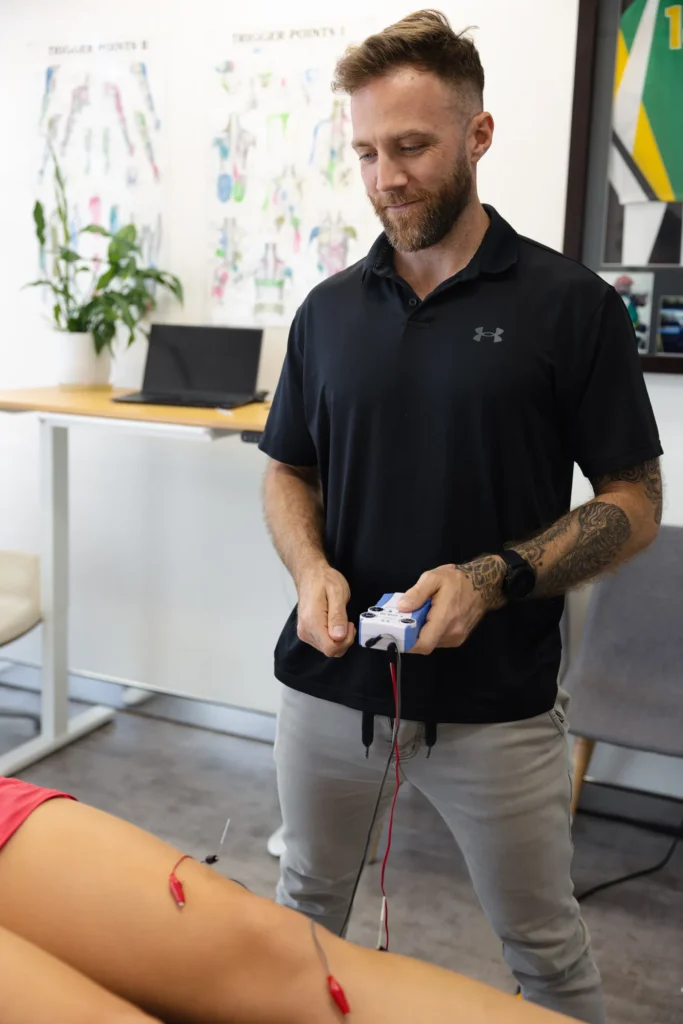
In the realm of sports injuries, few are as feared and common as a torn anterior cruciate ligament (ACL). The ACL is a ligament that connects your thigh bone (femur) to your shin bone (tibia). This can tear when you stop quickly, change director or with jumping. Whether you’re an athlete or simply someone who enjoys an active lifestyle, an ACL tear can be a major setback. But luckily, there are a few different options to send you on the path of ACL recovery. Surgery vs conservative care For a long time, it has been believed that the ACL has a poorer rate of spontaneous recovery, subsequently making it one of the most common orthopaedic surgeries performed worldwide, with the gold standard of surgical intervention being a tendon graft. Studies by Zbrojkiewicz et al (2018), Sutherland et al (2019), and Abram et al (2020) have highlighted the increasing incidence of ACL injuries and subsequent surgical reconstructions. The landscape of ACL treatment has evolved significantly over the past couple of decades. A shift in perspective is underway, challenging the notion that surgery is always necessary for recovery. The decision between surgery and conservative care hinges on various factors, including age, activity level, and personal preference. While some argue that surgical reconstruction may reduce the risk of further complications like meniscus lesions, the evidence does not back this up. Whether these benefits stem from the surgery itself or changes in activity levels post-recovery is unclear. Furthermore, there’s no definitive evidence linking ACL reconstruction to the prevention of osteoarthritis, and studies show that many athletes re-injure their ACL upon returning to their sport following an ACL surgery. Contrary to long-held beliefs, we’re discovering now that the ACL can indeed heal on its own under the right conditions. With proper bracing and a tailored rehabilitation plan, some patients may achieve satisfactory outcomes without going under the knife. Recent well-designed studies challenge the notion that surgery is a prerequisite for returning to sports. Conservative treatments have shown promising results for many patients, suggesting that surgery may not always be necessary. The cross-bracing protocol, rehabilitation, and conservative care A recent study published in the British Journal of Sports Medicine sheds light on the effectiveness of a cross-bracing protocol in facilitating ACL healing and rehabilitation. Essentially, cross-bracing involves applying a specific type of brace to the injured knee to provide support and stability during the healing process. Unlike traditional braces that merely restrict movement, cross-bracing aims to mimic the function of the ACL itself, allowing for more natural movement while still providing necessary reinforcement. The beauty of the cross-bracing protocol lies in its ability to harness the body’s natural healing mechanisms. By providing support to the injured knee and encouraging controlled movement, cross-bracing creates an environment conducive to ACL repair. This approach not only promotes healing but also helps to prevent further damage to surrounding structures, such as the meniscus. But perhaps the most compelling aspect of the cross-bracing protocol is its potential to eliminate the need for surgery in some cases. While surgical reconstruction has long been considered the gold standard for ACL injuries, it’s not always the best option for every patient. Cross-bracing offers a non-invasive alternative that may yield comparable results for many individuals, particularly those with less severe injuries or who prefer to avoid surgery. Of course, like any treatment approach, cross-bracing is not without its limitations. It may not be suitable for all patients, particularly those with complex or severe injuries. Additionally, success with cross-bracing depends heavily on adherence to the prescribed protocol, including diligent rehabilitation exercises and follow-up care. Conclusions on Cross Bracing Protocol In conclusion, the cross-bracing protocol represents a promising new frontier in the realm of ACL injury recovery. With its focus on harnessing the body’s natural healing abilities and providing targeted support, cross-bracing offers a non-invasive alternative to traditional surgical intervention. While further research is needed to fully understand its efficacy, early findings suggest that cross-bracing may hold the key to unlocking a smoother, more streamlined path to ACL recovery. Useful resources Whether you are considering surgery or not, it is always recommended you research your treatment plan and understand what it involves. Both surgery and conservative care have the best outcomes and the least chance of re-injury when properly followed by a rehabilitation program. An easy-to-read resource I would recommend to those who are considering surgical intervention is the “Melbourne ACL rehabilitation guide 2.0”, the link to access this is here: https://www.melbourneaclguide.com/docs/ACL_Guide.pdf Additionally, if you are looking to better understand the rehabilitative process involved before surgery, post-surgery or if you have decided to not have surgery, book in to see one of our chiropractors and we can have an in-depth discussion about what is best for your ACL recovery. For more reading, look at our blog on the benefits of exercise rehab. References A B
Navigating a New Episode of Low Back Pain

Are you experiencing a flare-up or a new episode of low back pain? Here’s how to navigate it. Low back pain (LBP) is a prevalent condition, often causing discomfort and disruption to daily life. Understanding the best practices for managing LBP is essential for achieving effective relief and preventing further complications. Using clinical practice guidelines, this blog aims to provide actionable advice for when you experience LBP. Before we go any further, it’s important to seek help from a professional when you experience a new episode of pain or intense pain, to determine the need for immediate medical relief. This blog post is targeted to ‘non-specific low back pain’, which is pain that does not have a known patho-anatomical cause. In other words: not caused by serious conditions such as a tumour, infection, spinal cord compression, etc. So with that in mind, let’s discuss how to manage it and when it’s appropriate to see a chiropractor! How you can manage a new episode of back pain by yourself: Avoid bed rest: Most research advises against prolonged bed rest for acute LBP, recommending maintaining normal activities to promote healing. Medication and superficial heat: Nonsteroidal anti-inflammatory drugs (NSAIDs) are commonly recommended for pain relief, e.g. neurofen (ibuprofen). It’s important to read the label when taking these drugs and consult with the pharmacist to ensure they are right for you. Additionally, heat packs or heat creams can help when experiencing an acute episode of low back pain. For more information on the different medications for back pain read Jess’s blog – medications for low back pain. Exercise Therapy: Exercise is universally endorsed, particularly for chronic LBP, although the type and delivery mode may vary. The recommended exercise varies from person to person, but generally speaking, while suffering from a painful episode of low back pain, gentler exercises will be more beneficial. For example, light swimming, walking, or pilates. Psychosocial Strategies: Cognitive-behavioral therapy (CBT) is widely recommended, addressing psychosocial factors that may contribute to LBP. Generally, CBT strategies are performed by a psychologist and are useful if you frequently suffer from low back pain episodes. Alongside that, regular mindfulness practice is encouraged to decrease the intensity and frequency of back pain. How can a chiropractor help you if you experience a new episode of low back pain? If symptoms persist or worsen, consider consulting a healthcare provider within the first 1 – 2 weeks of the pain for further evaluation and personalised treatment recommendations. Chiropractors can develop individualised exercise programs and provide hands-on interventions to address pain and promote recovery. Additionally, research shows the significance of receiving reassurance from a professional that improvement is achievable while experiencing low back pain. Chiropractors can also discuss with you the strategies that will be most effective when managing the pain at home or outside of the clinic. For chronic LBP, multidisciplinary rehabilitation may be beneficial, involving a coordinated approach with various healthcare professionals. Chiropractors can offer referrals to specialists if you need to look at other options. However invasive treatments such as injections or surgery are generally discouraged unless conservative measures have been ineffective, and specific criteria are met. Long-term management and prevention of back pain Once you have managed to settle down the pain it’s good to implement long-term strategies to avoid another flare-up. Some simple ways include: Lifestyle modifications: Regularly change the position you’re in – making sure you’re not staying in the same position for too long e.g. sitting or standing for too long, engage in regular exercise, and manage stress to reduce the risk of recurrent LBP episodes. Education and self-management: Research shows that when you understand how pain is perceived in the body you are less likely to catastrophise a flare-up, subsequently decreasing the intensity and duration of that flare-up. Empower yourself with knowledge about LBP management strategies and adopt self-management techniques to address symptoms proactively. If you regularly get pain flare-ups have a look at Lorimer Moseley’s Ted talk on YouTube called “Why Things Hurt”. Regular follow-ups with healthcare providers such as chiropractors can help monitor progress, adjust treatment plans as needed, and address any new concerns or symptoms. Experiencing low back pain can be challenging, but with the right approach, relief and recovery are achievable. By adhering to evidence-based recommendations such as those discussed in this blog, individuals can navigate LBP with confidence and take proactive steps towards improved health and well-being. Remember, you are not alone in your journey, and there are resources and healthcare professionals available to support you every step of the way. Stay informed, stay proactive, and prioritize your health for a brighter, pain-free future. References: Oliveira CB, Maher CG, Pinto RZ, Traeger AC, Lin CC, Chenot JF, van Tulder M, Koes BW. Clinical practice guidelines for the management of non-specific low back pain in primary care: an updated overview. Eur Spine J. 2018 Nov;27(11):2791-2803. doi: 10.1007/s00586-018-5673-2. Epub 2018 Jul 3. PMID: 29971708. Chou R, Côté P, Randhawa K, Torres P, Yu H, Nordin M, Hurwitz EL, Haldeman S, Cedraschi C. The Global Spine Care Initiative: applying evidence-based guidelines on the non-invasive management of back and neck pain to low- and middle-income communities. Eur Spine J. 2018 Sep;27(Suppl 6):851-860. doi: 10.1007/s00586-017-5433-8. Epub 2018 Feb 19. PMID: 29460009. Ladeira CE. Evidence based practice guidelines for management of low back pain: physical therapy implications. Rev Bras Fisioter. 2011 May-Jun;15(3):190-9. doi: 10.1590/s1413-35552011000300004. PMID: 21829982. Wong JJ, Côté P, Sutton DA, Randhawa K, Yu H, Varatharajan S, Goldgrub R, Nordin M, Gross DP, Shearer HM, Carroll LJ, Stern PJ, Ameis A, Southerst D, Mior S, Stupar M, Varatharajan T, Taylor-Vaisey A. Clinical practice guidelines for the noninvasive management of low back pain: A systematic review by the Ontario Protocol for Traffic Injury Management (OPTIMa) Collaboration. Eur J Pain. 2017 Feb;21(2):201-216. doi: 10.1002/ejp.931. Epub 2016 Oct 6. PMID: 27712027. Lorimer Moseley G, Leake HB, Beetsma AJ, Watson JA, Butler DS, van der Mee A, Stinson JN, Harvie D, Palermo TM, Meeus M, Ryan CG. Teaching Patients About Pain: The Emergence
Maintenance care for chronic low back pain

Low back pain (LBP) is a common and burdensome health issue affecting millions worldwide. Its recurrence and persistence pose significant challenges, often leading individuals down a frustrating path of pain and reduced mobility. A lot of chiropractic treatment helps to decrease pain intensity but a proactive approach decreases the likelihood of pain flare-ups. Chronic LBP has a ripple effect on individuals, affecting their families, work, lifestyle and society. It is the leading cause of work absence and activity limitation globally. Its recurrent nature increases this burden, highlighting the critical need for preventive strategies. Alongside hands-on chiropractic treatment, exercise and education play pivotal roles, offering hope for individuals grappling with recurrent LBP. Have you had a recent flare-up? Read Jess’s blog on how to deal with a new episode of low back pain. Chiropractors, skilled in musculoskeletal assessment and treatment, play a pivotal role in managing LBP. Manual therapies, including spinal manipulation and mobilization, are commonly employed to alleviate pain and improve function. Additionally, chiropractors often recommend maintenance care — a preventive approach aimed at reducing the risk of relapse and optimizing long-term well-being. Current Research A 2018 randomised controlled trial by Eklund et al. investigated the effectiveness of maintenance compared to symptom-guided care in individuals with recurrent or persistent LBP. The study replicated real-world clinical practices, offering valuable insights into its efficacy. The trial compared maintenance against symptom-guided care. The maintenance care group aimed to schedule chiropractic appointments before substantial pain, meaning appointments were pre-booked and controlled by the clinician. In the control group, the patients were instructed to book when pain occurred, meaning the appointments were not pre-booked and were controlled by the patient. The trial revealed that maintenance care was more effective than symptom-guided care in reducing the total number of days with bothersome LBP over 52 weeks. For selected patients with recurrent or persistent non-specific LBP who respond well to an initial course of chiropractic care, maintenance care should be considered an option for long-term prevention. In the struggle against recurrent LBP, exercise, education, and chiropractic emerge formidable allies. By embracing proactive strategies and evidence-based interventions, individuals can reclaim control over their well-being and navigate the journey of recovery with resilience and optimism. As chiropractors continue to champion holistic approaches to musculoskeletal health, the promise of maintenance care shines brightly, offering hope and healing to those in need. References Eklund A, Jensen I, Lohela-Karlsson M, Hagberg J, Leboeuf-Yde C, Kongsted A, Bodin L, Axén I. The Nordic Maintenance Care program: Effectiveness of chiropractic maintenance care versus symptom-guided treatment for recurrent and persistent low back pain – A pragmatic randomized controlled trial. 2018 Sep 12;13(9):e0203029.Hoy D, March L, Brooks P, Blyth F, Woolf A, Bain C, et al. The global burden of low back pain: estimates from the Global Burden of Disease 2010 study. Ann Rheum Dis. 2014;73(6):968–74. 10.1136/annrheumdis-2013-204428da Silva TM, Mills K, Brown BT, Herbert RD, Maher CG, Hancock MJ. Risk of Recurrence of Low Back Pain: A Systematic Review. J Orthop Sports Phys Ther. 2017:1–27.Steffens D, Maher CG, Pereira LS, Stevens ML, Oliveira VC, Chapple M, et al. Prevention of Low Back Pain: A Systematic Review and Meta-analysis. JAMA Intern Med. 2016;176(2):199–208. 10.1001/jamainternmed.2015.7431ringsli M, Berntzen A, Olsen DB, Leboeuf-Yde C, Hestbaek L. The Nordic Maintenance Care Program: Maintenance care—what happens during the consultation? Observations and patient questionnaires. Chiropr Man Therap. 2012;20(1):25 10.1186/2045-709X-20-25
Shockwave

In the realm of modern medicine, shockwave therapy has emerged as a groundbreaking treatment option for various musculoskeletal conditions and injuries. This non-invasive and highly effective technique utilises acoustic waves to promote healing, alleviate pain, and restore functionality. In this blog post, we will delve into shockwave therapy’s benefits, how it works, and the wide range of conditions it can treat. What is Shockwave Therapy? Shockwave therapy, also known as extracorporeal shockwave therapy (ESWT), is a procedure that involves the application of high-energy acoustic waves to affected areas of the body. These acoustic waves are generated by a device and directed towards specific anatomical regions, stimulating the body’s natural healing processes. How Does it Work? The mechanism behind shockwave therapy is fascinating yet straightforward. Here’s how it works: Stimulating Cellular Response: When the acoustic waves reach the targeted tissue, they create microtrauma at the cellular level. This microtrauma triggers a series of biological responses within the body. Blood Flow and Neovascularisation: One of the primary effects of shockwave therapy is the promotion of blood circulation. This increased blood flow accelerates the body’s healing capabilities by supplying essential nutrients and oxygen to the damaged tissue. Release of Growth Factors: Shockwave therapy stimulates the release of growth factors, which are essential for tissue regeneration and repair. This, in turn, aids in reducing inflammation and pain. Dissolution of Calcifications: Shockwaves can break down calcifications or calcium deposits within tendons and other soft tissues. This is particularly useful for conditions like plantar fasciitis and calcific shoulder tendinitis. Pain Reduction: The therapy also has a pain-relieving effect by inhibiting pain signals and reducing muscle tension around the affected area. What are Shockwave Therapy’s Benefits? Shockwave therapy has gained recognition and popularity for its versatility in treating various musculoskeletal conditions and injuries. Here are some of shockwave therapy’s benefits for some common issues: Plantar Fasciitis: Shockwave therapy is a proven treatment for the painful foot condition known as plantar fasciitis, which affects the sole. Tendinopathies: It is highly effective in treating tendinopathies such as achilles tendonitis, tennis elbow, and rotator cuff tendinitis. For more information on rotator cuff injuries, read our blog. Calcific Tendinitis: For conditions involving calcium deposits within tendons, shockwave therapy can help dissolve the deposits, promoting healing. Bone Healing: Some studies suggest that shockwave therapy can accelerate the healing process for certain bone fractures. Myofascial Pain Syndrome: Patients suffering from myofascial pain syndrome, characterized by trigger points in muscles, can benefit from shockwave therapy. Shockwave therapies non-invasive nature and versatility make it a valuable tool in the world of musculoskeletal medicine and rehabilitation. If you’re experiencing pain or discomfort related to any of the conditions mentioned above, consider discussing shockwave therapy with your chiropractor as a potential treatment option to get you back to doing what you love. By Dr Jess Milsom (B.Chiro Sc, M.Chiropractic)
Rest is not always the answer

Instinctively most of us want to rest after injuring ourselves. While this seems logical, it’s not always the best decision. The acronym taught to us by all first aid courses is RICER. Rest, ice, compression, and elevation (and referral) will help to reduce inflammation in the first 24 – 48 hours of injury. However, once the inflammatory process begins to settle returning to some modified activity will help to reduce the likelihood that this pain will become long-term. Active Recovery vs. Rest Prolonged rest – around two to three weeks following the initial injury – may have little effect on pain levels or worsen your pain. This is especially true for low back pain and soft tissue injuries. When we rest for too long, our muscles, parts of the nervous system, and the cardiovascular system begin to decondition. This means you can’t tolerate activities in the same way you used to. Think about how you feel going back to the gym after a long holiday, or after being sick, it’s never as easy as you remember. There’s a growing body of research that points to exercise as an effective form of pain relief, in fact, progressive movement and load should be prescribed for most injuries. This is why instead of the acronym RICER, there is a move towards a new acronym: PEACE and LOVE. PEACE and LOVE Protection – Avoid activities and movements that increase pain within the first few days after injury. Elevation – Elevate the injured limb higher than the heart (if possible). Avoid anti-inflammatories – These can reduce tissue healing. For more information on medications to take with pain, read our blog. Compression – Use an elastic bandage or tape over the injured site. Education – Understand the best treatment methods and the benefits of being active during recovery. & Load – Let pain guide your gradual return to activity. Optimism – Condition your brain for the best recovery. Vascularisation – Choose pain-free activities that increase the blood flow to the repairing injury. Exercise – Restore strength, mobility and proprioception by including exercise in your recovery. Current Research Research suggests that exercise can help to reduce pain intensity and frequency and improve mood. In fact, some research points to exercise being as effective as painkillers through the release of endogenous opioids i.e., endorphins. These are molecules are produced naturally by the body from our brain. It’s thought that these endorphins create an ‘exercise-induced euphoria’ and reduce our pain perception. The great thing is that it doesn’t come with the negative side effects which can be associated with painkillers. The best type of exercise will be dependent on what you enjoy most and what you’re most likely to do. Working alongside a health practitioner will ensure you return to exercise activities safely and gradually. Returning to exercise at pre-injury levels may aggravate the injury and a graded response will always be the best approach.
