
Your practitioner isn’t “fixing” you

Here’s what’s really going on When you’re in pain, it’s natural to want someone to “fix” it. A quick adjustment, a magicneedle, a release. But the truth is — pain is more complex than a tight muscle or somethingbeing “out.” Long-term recovery is about more than just hands-on treatment. At Pittwater Chiro, we often hear praise for “fixing” your pain, and while we’d love to take thecredit, it’s not us who fixed it. We were merely the people who pointed you the way.Whether you’re dealing with back pain, a flare-up in your shoulder, or a niggly hip, youdon’t need to be fixed. You need support, guidance, and the right tools to take controlof your recovery. Pain doesn’t always mean damage (especially when it’s chronic) Many people assume that pain is equal to something torn, out of place, or broken. But this isn’talways the case. The idea of something being ‘out of place’ is often wrong, because ifsomething is truly out of place, then it has been dislocated or subluxed, which would requirea visit to the hospital, not the chiro/physio/osteo. We know that it can feel like something is out of place, though, and that pain is very real. So why does it feel like that? Sometimes, it can be due to altered nerve input/output, or it can be due to increased inflammation in the joint or area of the injury, and sometimes it can be strong muscle guarding to stop you from using that joint. Your body is smart and protective — sometimes too protective. Stress, poor sleep, past injuries, or even beliefsabout your body can amplify pain, even when no structural damage is present. Chronic pain is often more about your nervous system than your tissue. That’s why passive treatments alone don’t always create long-term change. What manual therapy can do This is not to say that manual therapy has no place. Manual therapy like dry needling, cupping, chiropractic adjustments and mobilisation has real value. These modalities can: All of these benefits are pretty important, because without them doing their thing it’s going tobe pretty hard to try to do your homework – like exercise, load management, and some otherstrategies your practitioner may recommend. Manual therapy is also most powerful whencombined with education, rehab, and consistent movement. That’s where lasting changehappens — and it’s what we focus on in the clinic. The pain gate theory: why movement and manual therapy work The pain gate theory explains how the brain filters pain signals. When you experiencemovement, pressure, or non-threatening input (like massage or joint mobilisations), it canclose the gate to pain signals travelling up the spinal cord. This reduces the intensity of pain and helps rewire the brain’s pain pathways — especiallyimportant for avoiding chronic pain. In simple terms: movement and manual therapy changehow your nervous system perceives danger. Less danger equals less pain. What else can my practitioner help with? What’s the point in seeing someone ifThey’re not “fixing” me? We’re not here to fix you. We’re here to guide you. We help you understand your pain orinjury by effectively diagnosing what is going on and giving you clear expectations ofrecovery time frames. We can also guide you on what not to do and what to do at home tohelp shorten the recovery timeframe. And, as mentioned above, we can dull your pain enough to be able to comfortably do whatyou need to do. We could use hands-on treatment to reduce symptoms and improvemobility. We can build strength and capacity through tailored rehab, and we empower you tofeel confident in your body again. You’re not broken – you just need the right tools You’re more resilient than you think. With the right approach, education, and consistenteffort, most injuries and pain states can improve — without relying on someone else to do allthe work. If you’re ready to feel strong, mobile, and back in control, we’d love to support you.
Chiropractic vs. Physiotherapy
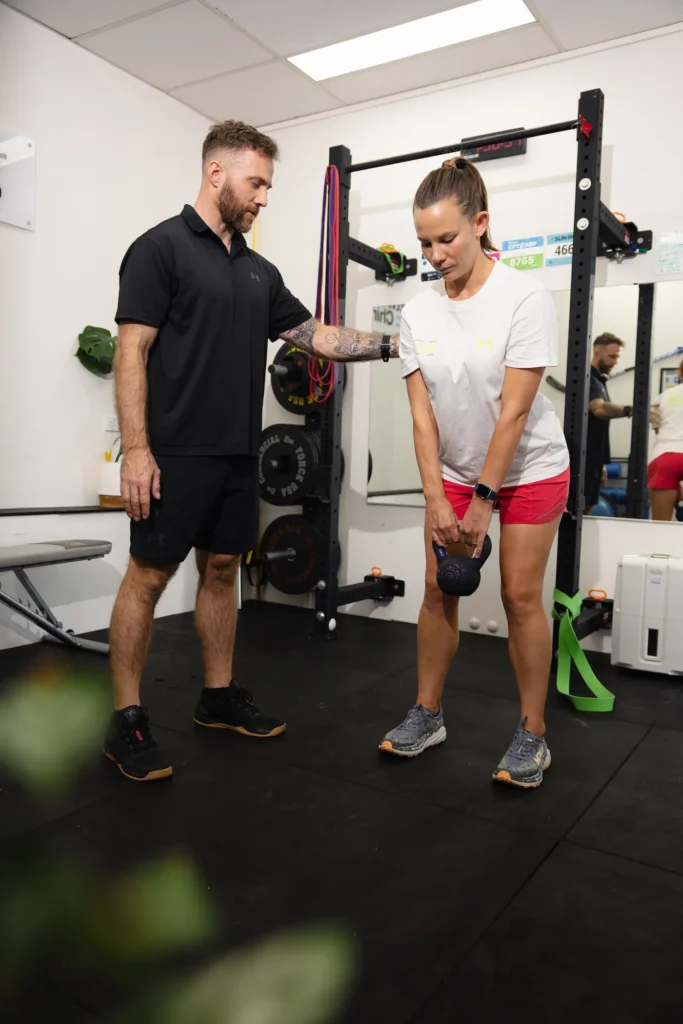
We often get asked what the difference is between chiro and physio. The answer will differ depending on each practitioner as we treat each patient differently. However, these days chiro and physio are taught very similarly with a few specialised differences. In fact, many subjects in the chiropractic degree are done alongside physiotherapy students. Overall, chiropractic students are taught more thoroughly in joint mobilisations and manipulations (also called adjustments). Physios will be taught more thoroughly in post-surgical rehab, respiratory conditions and stroke management. Musculoskeletal disorders are covered in both professions. Whilst I can’t talk on behalf of all chiros, I want to point out a few common misconceptions about our profession. This way you know what to expect when you receive treatment with us. Chiropractors can help with more than just the back. One of the most prevalent misconceptions about chiropractic is that we can only help with back pain. There’s no denying we relieve back pain, but we’re also effective in treating other regions of the body too! In fact, there’s a growing body of research on the effectiveness of manual therapy for knees, shoulders, hips and feet. When studying at university, chiro students spend a lot of time learning how to treat the upper and lower limbs. This means that we have in-depth knowledge from dedicated time on nearly every joint. Chiropractic treatment doesn’t have to involve an adjustment. While adjustments are effective, they’re just one tool in our toolkit. If it’s something that you find uncomfortable, we won’t use that technique. Some treatments may not even include an adjustment depending on the patient’s needs and preferences. We’re taught many alternatives to an adjustment including gentle joint mobilisations, dry needling, and soft tissue techniques. An adjustment isn’t bones popping in or out of place. While it might sound or feel like your bone is moving out of place that is certainly not the case! The ‘popping’ or ‘cracking’ sensation felt during an adjustment is the creation of a gas bubble in the fluid surrounding the joint. While that crack feels nice, it doesn’t necessarily always have to occur for the adjustment to be effective. An adjustment aims to stretch the surrounding muscle via a small quick movement, which stimulates the nerve. This will decrease the pain signals sent from the brain, causing the muscle to relax and improving the movement of that joint. Chiropractors can (and often will) prescribe at-home exercises. Most chiropractors will prescribe their patient’s exercises to do at home after their treatment. This is done for the same reasons that physios prescribe exercises. Exercise is one of the most effective ways to recover from injury and pain. When exercise is combined with manual therapy, research shows it is the most effective in reducing pain, increasing mobility and reducing recurrence. We won’t send you off for x-rays unless you need them. While imaging is useful, it’s not always necessary and can sometimes cause unnecessary fear and anxiety. There are times when imaging is required, but not for every patient, and this is why we take the time to ask questions about the patient and the symptoms they’re suffering. When choosing between chiro, physio, osteo or any other form of manual therapy, make a decision based on the practitioner rather than the profession. The best treatment results occur when you can trust your practitioner.
